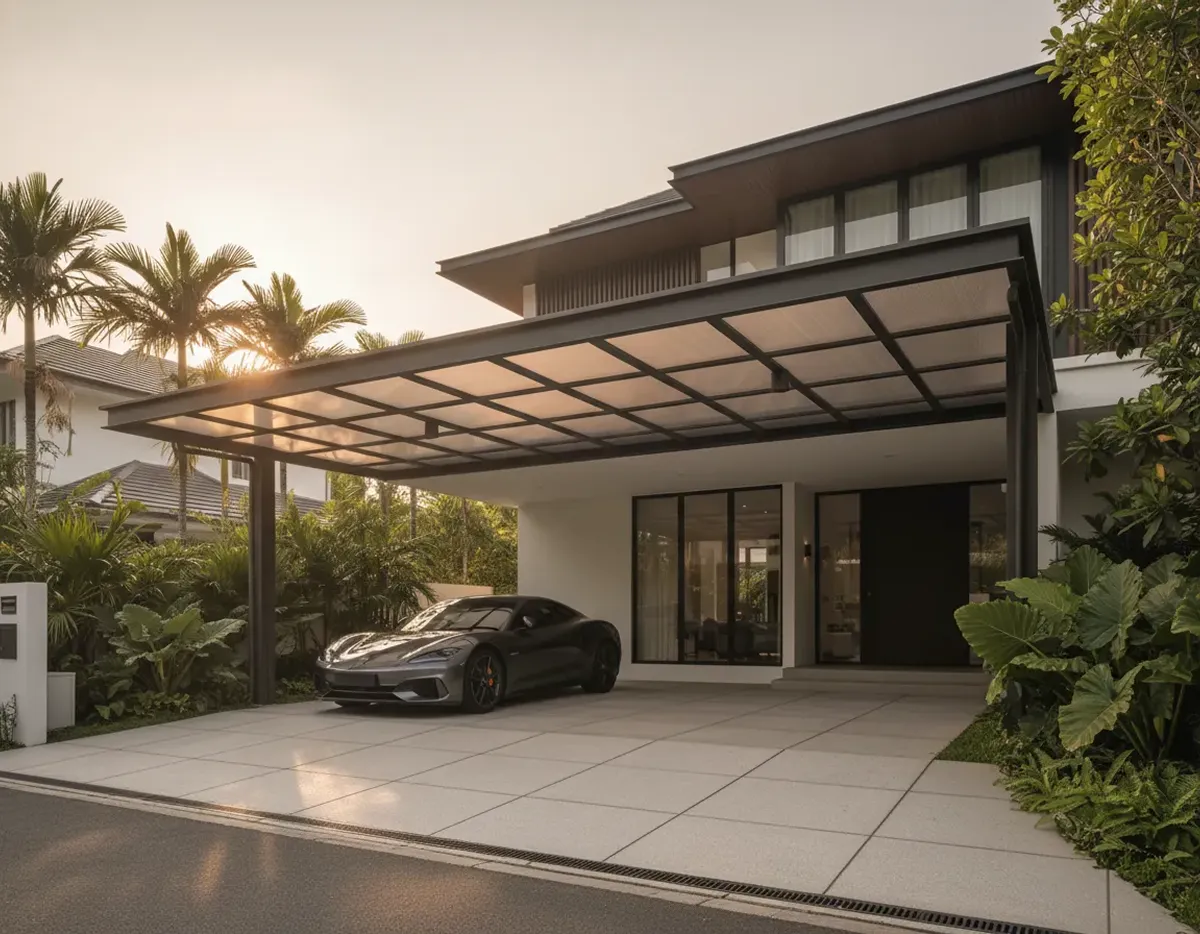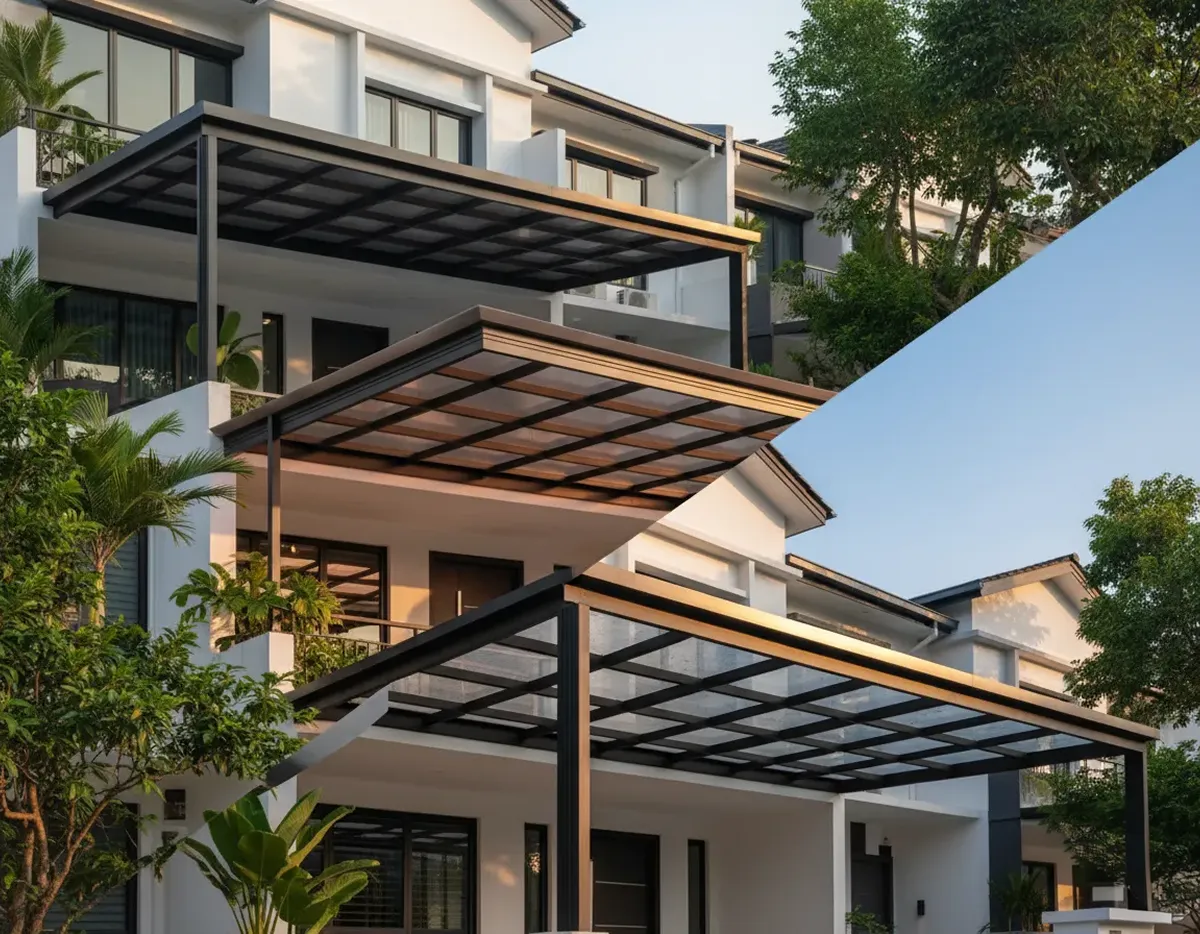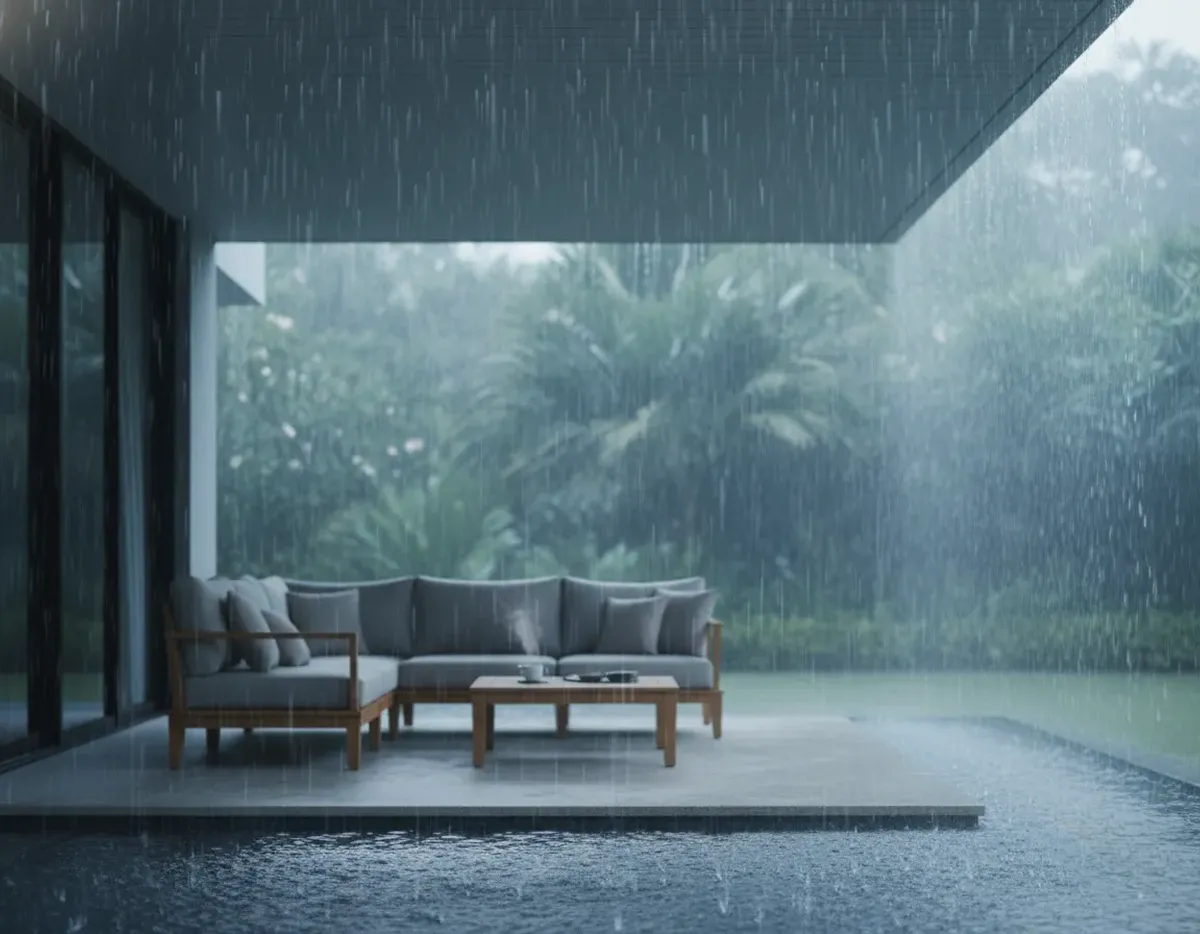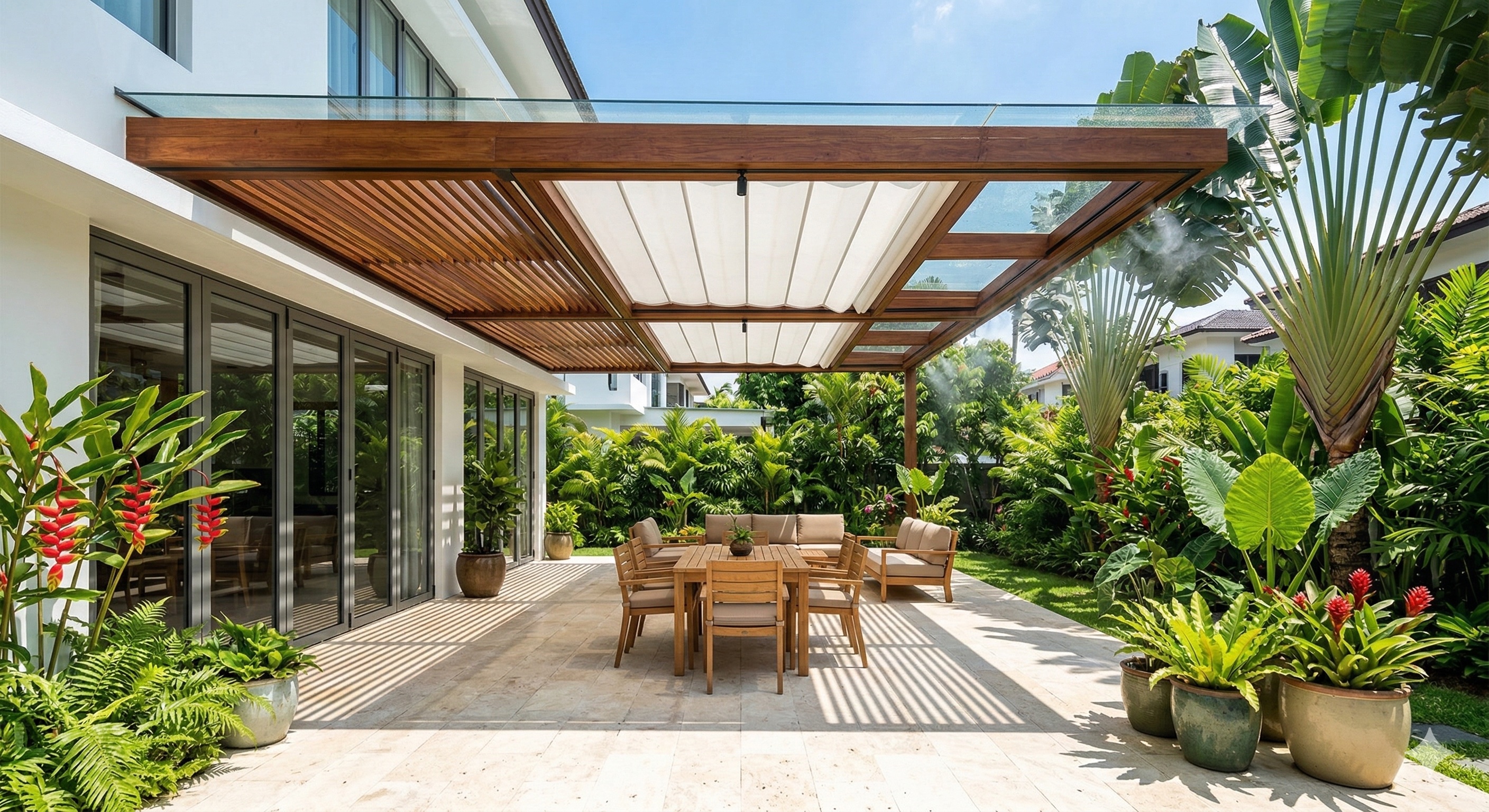
In Singapore, canopies and awnings are expected to handle intense sun, sudden tropical rain and year-round humidity. Yet many homeowners and businesses start noticing leaks just one or two years after installation.
In many cases, the issue isn’t the canopy material itself — it’s the flashing and waterproofing details around the joints. When these areas are poorly installed, rainwater gradually seeps into small gaps and eventually causes visible leaks.
Understanding how flashing works — and why it matters in Singapore’s climate — can help property owners avoid recurring roof leak repair problems later.
Why Canopy Leaks Are Common in Singapore
Singapore’s climate puts constant stress on outdoor structures.
Heavy Tropical Rain
Sudden downpours place pressure on canopy joints. If the connection between the canopy and wall is not properly sealed, rainwater can easily enter the gap.
Strong UV Exposure
Constant sunlight causes roofing materials to expand and contract. Over time, this movement weakens sealants and opens up small gaps.
High Humidity
Moisture accelerates corrosion and causes waterproofing layers to deteriorate faster.
Because of these conditions, canopy systems used in roofing Singapore projects must be designed with proper drainage, flashing and waterproofing — not just basic sheet installation.
The Real Cause of Most Canopy Leaks: Poor Flashing
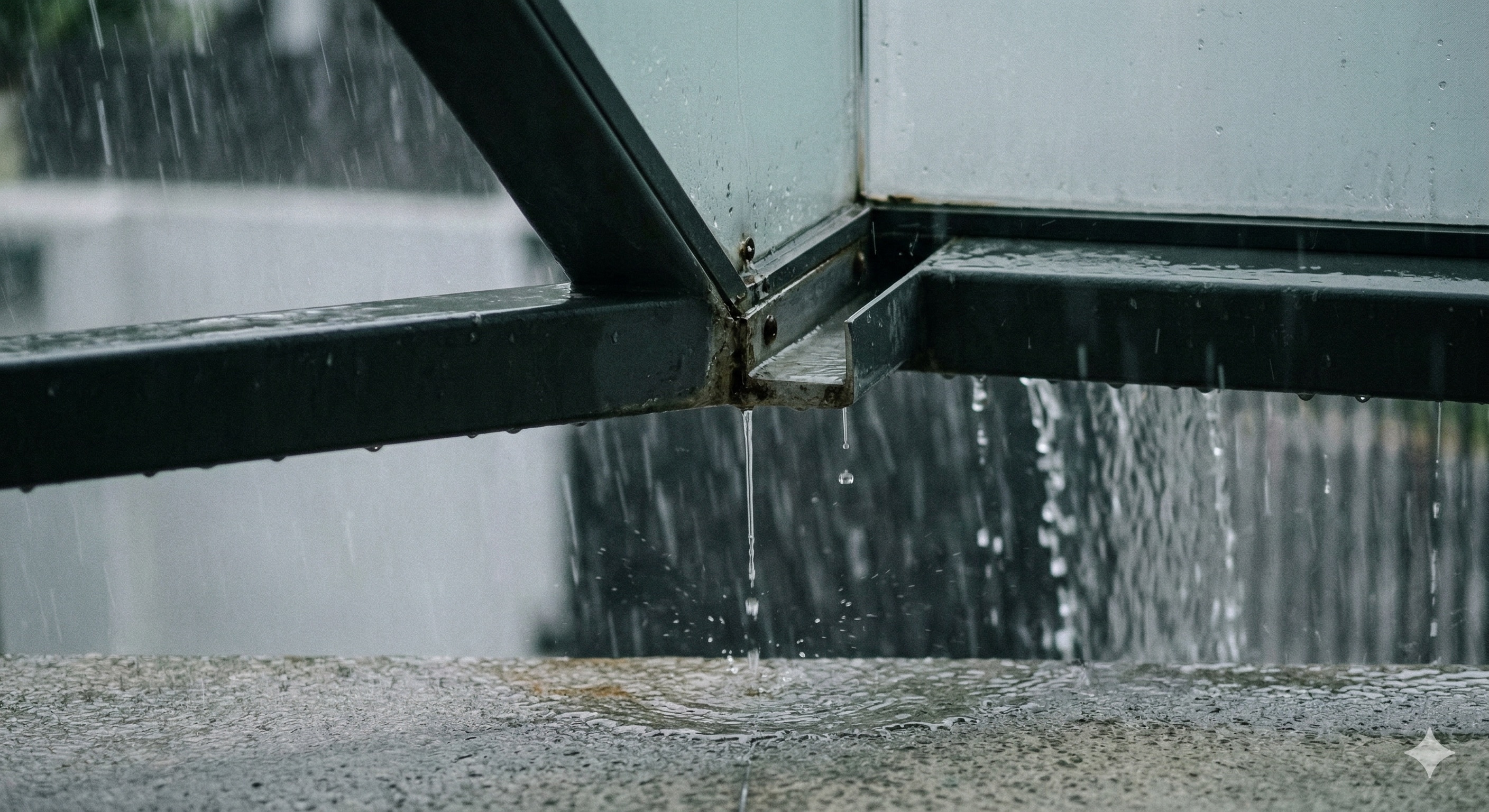
Flashing is a protective metal barrier installed where the canopy meets walls, beams or other structural elements.
Its purpose is simple: redirect rainwater away from vulnerable joints.
Without flashing, rainwater can flow into the small gap between the canopy and the wall. Over time, this leads to:
- Water dripping during heavy rain
- Stains forming on ceilings or walls
- Moisture buildup behind the structure
- Long-term structural damage
In some low-cost installations, flashing is skipped to reduce installation time. However, this shortcut often results in leaks appearing within a few years.
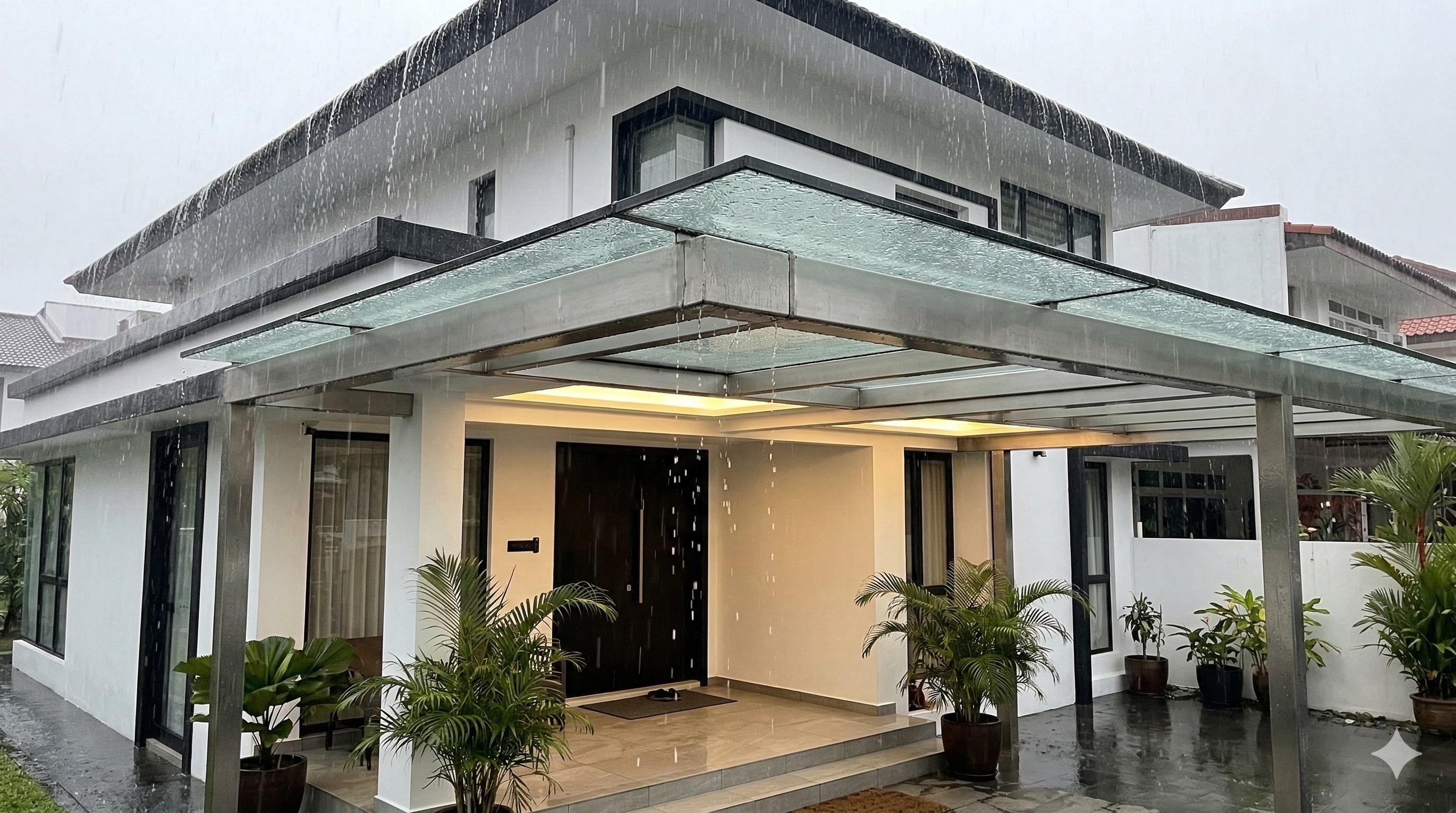
Key Solutions That Prevent Canopy Leaks
Several installation details play a major role in preventing water intrusion.
Proper Wall Flashing
A flashing strip installed at the wall joint prevents rainwater from entering the gap between the canopy and structure.
Waterproof Membranes or Sealants
Professional installations use industrial-grade waterproofing materials designed to withstand UV exposure and constant rain.
Adequate Roof Slope
A canopy should be slightly angled so water flows away quickly instead of collecting on the surface.
Sealed Fasteners
Screws and bolt holes should be properly sealed to prevent water penetration.
These small installation details often determine whether a canopy lasts two years or ten.
Common Canopy Installation Mistakes
Many canopy leaks appear after 1–2 years due to shortcuts taken during installation.
Typical problems include:
- No flashing installed at the wall connection
- Over-reliance on silicone sealant alone
- Flat canopy designs that trap water
- Low-quality screws that rust quickly
- Misaligned panels that create gaps
Over time, these issues can lead to repeated roof leak repair needs.
How Ruufer Helps Prevent Recurring Canopy Leaks
As a roofing and awning contractor Singapore specialist, Ruufer focuses on canopy systems designed specifically for Singapore’s climate.
Key approaches include:
- Proper flashing installation to protect wall joints
- Integrated waterproofing layers that withstand UV and humidity
- Canopy designs with adequate slope for rainwater drainage
- Durable materials suited for long-term outdoor exposure
- Precise installation methods that reduce common leak points
By addressing these structural details early, canopy systems can perform reliably even under Singapore’s heavy rain conditions.
Conclusion
Canopy leaks that appear within a few years are often caused by poor flashing and inadequate waterproofing rather than the canopy material itself.
Key insights to remember:
- Flashing is critical — it prevents water from entering the joint between canopy and wall.
- Singapore’s climate accelerates wear, especially due to heavy rain, UV exposure and humidity.
- Installation quality matters — proper slope, sealed fasteners and waterproofing significantly reduce leak risks.
- Material choice still plays a role, with aluminium and polycarbonate systems commonly used for durability and practicality.
When these factors are addressed properly, a canopy can remain durable, waterproof and functional for many years — even in Singapore’s demanding weather conditions.