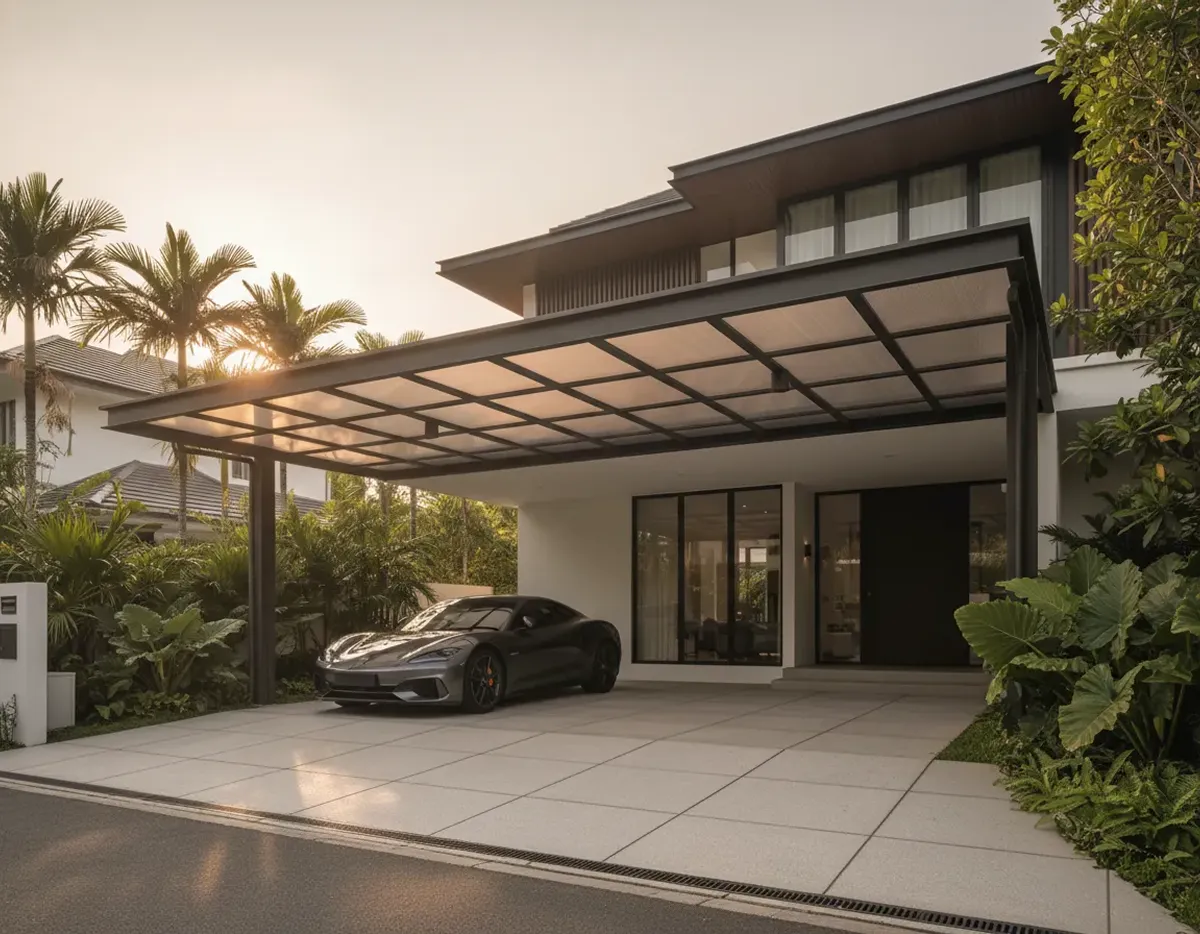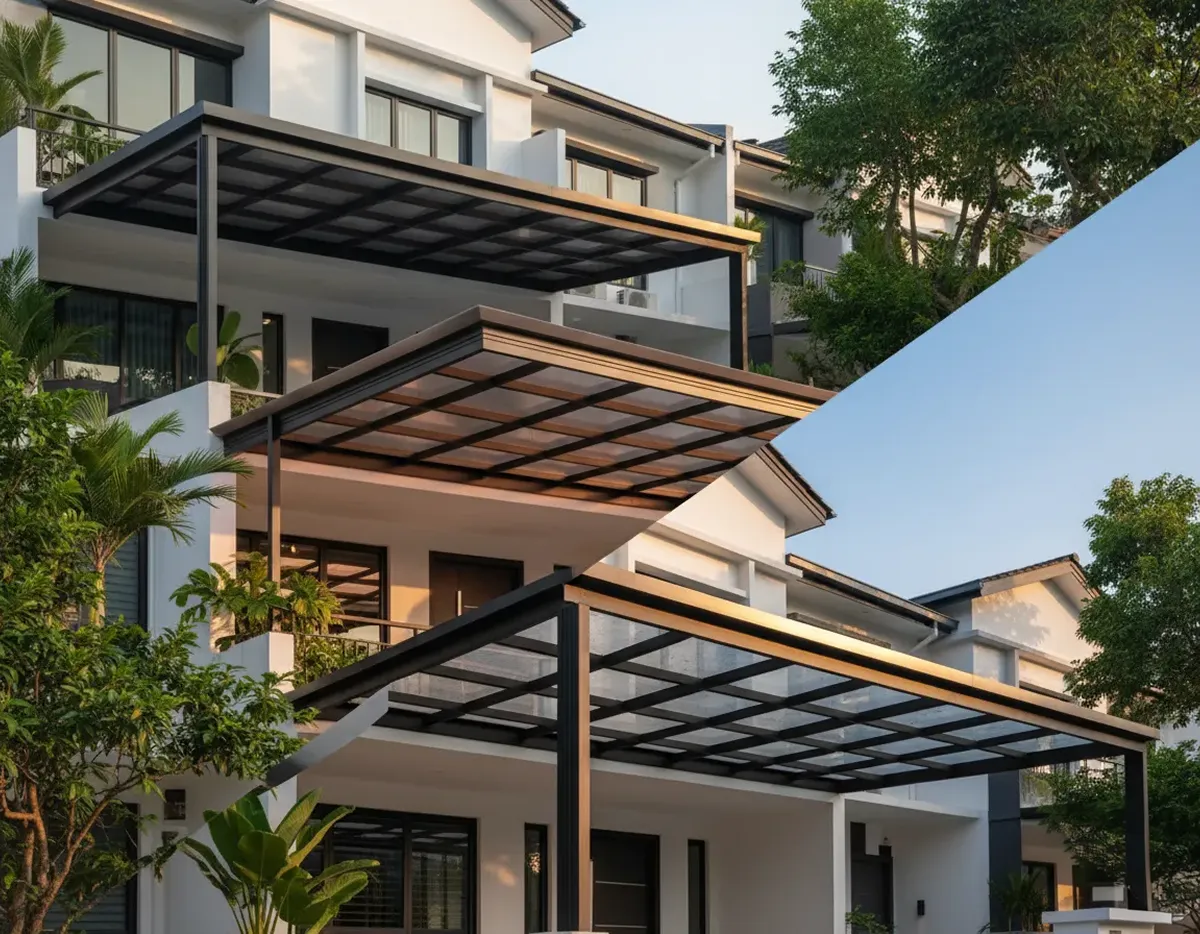
In Singapore, understanding the technical limits of outdoor shading systems is essential for safety and property maintenance. Providing accurate and reliable information is the primary goal of this guide to ensure it serves a beneficial purpose for homeowners and business owners alike. When a user searches for wind resistance specifications, their intent is typically to determine if an installation can withstand local weather patterns, such as the sudden gusts during a Sumatra Squall.
Standard Wind Resistance Classifications
To evaluate if an outdoor structure achieves its purpose well, we look at standardized wind classes used in the industry. These classifications help determine how useful a product is for a specific location.
- Class 1 (Up to 28 km/h): This is suitable for light breezes. Results that fully meet a user's need for basic shade often fall into this category. However, in a Singapore context, this is often insufficient for exposed high-rise balconies.
- Class 2 (Up to 38 km/h): This is a common standard for many residential systems. A high-quality page providing this information must be clear about these limits to remain trustworthy.
- Class 3 (Up to 49 km/h): This is the highest standard for most retractable systems. Delivering this level of performance requires a significant amount of effort and skill in the engineering of the frame and fabric.
Providing these specific metrics ensures the content is relevant and reliable for those making safety decisions.
The Role of Material Quality: Phifer Fabric
The choice of material is a major factor in determining how a system performs under pressure. High-quality automated systems and human raters alike look for evidence of effort and expertise in product design. Instead of standard mesh, utilizing SheerWeave Phifer Fabric provides a higher level of dimensional stability.
This specific fabric is designed to serve its purpose by resisting the "sail effect" that occurs when wind catches an awning. Because Phifer Fabric is engineered with vinyl-coated fiberglass or polyester, it maintains its shape under tension. This is critical for preventing fraying, jamming, and rattling within the side tracks or the roller mechanism. A result that focuses on these technical details is considered more helpful and satisfies the user's intent more fully.
Structural Integrity and Professional Installation
Even the best materials cannot achieve their purpose if the installation is faulty. To ensure a shading system is safe and not harmful to the property or people, structural assessment is required.
- Mounting Surfaces: Brackets must be secured to reinforced concrete or solid masonry. In Singapore, many installations occur on HDB or condo balcony ceilings, which require specific heavy-duty anchors.
- Torque and Leverage: An open awning acts as a lever. Wind pressure can generate hundreds of kilograms of force on the mounting points.
- Professional Assessment: Engaging a professional retractable awning contrator is the most reliable way to ensure the system is mounted correctly.
A high-quality installation involves more than just the awning itself. It often requires looking at the overall health of the building. For instance, roofing contractors ensure your roof stays leak-proof while maximizing solar energy savings, and they can provide insights into whether a roof-mounted bracket will compromise the waterproofing of your home. If you are concerned about the structural foundation of your roof before an installation, consulting a reputable roofing contractor is a necessary step for safety.
Managing Wind Loads in Singapore
Singapore’s climate presents unique challenges. The sudden onset of heavy rain and wind means that "Needs Met" in this context involves providing information on how to handle rapid weather changes.
Automated Safety Features
To ensure a result is highly helpful, it should mention modern safety integrations. Wind sensors are high-quality additions that automatically retract the awning when vibrations or wind speeds exceed a set limit. This automation ensures the product serves its beneficial purpose even when the owner is not home.
Pitch and Angle Adjustment
The angle (pitch) of the awning affects its drag coefficient. A steeper angle allows wind to pass over the fabric more efficiently. An installation that takes this into account is more likely to be rated as high quality because it demonstrates a deeper understanding of the user's practical needs.
Maintenance for Long-Term Reliability
Reliability is a key dimension of quality. To keep an awning functioning at its peak wind-resistance level, regular maintenance is required.
- Inspection: Regularly check the folding arms for any signs of misalignment.
- Cleaning: Phifer Fabric should be kept free of debris to ensure smooth retraction, which prevents the motor from straining.
- Fabric Tension: If the fabric becomes loose, it will flap in the wind, increasing the risk of mechanical failure.
A page that provides these maintenance steps is considered helpful because it addresses the user's long-term satisfaction with their purchase.
Conclusion
In summary, most retractable awnings in Singapore are designed to withstand winds between 28 km/h and 49 km/h, depending on their class. However, these ratings assume the system is in good condition and professionally installed. Using premium materials like Phifer Fabric and working with expert installers are the most reliable ways to ensure your outdoor shading achieves its purpose without causing harm.
By focusing on these technical details, we provide a resource that is relevant, reliable, and satisfies the user's intent to keep their home safe.