The Expected Lifespan of Awning Fabrics in Singapore
Investing in an outdoor shading system is a long-term commitment to property maintenance. In Singapore’s tropical environment, the "re-skin"—the process of replacing the fabric while keeping the existing frame—is a standard part of the product lifecycle. To provide helpful and reliable information, we must look at the specific durability of materials under constant UV exposure and heavy rainfall. The goal is to ensure your installation continues to achieve its purpose of providing thermal comfort and protection.
Determining when a re-skin is necessary depends on the material composition, the quality of the original installation, and the frequency of maintenance. Providing this level of detail helps satisfy the user intent for homeowners looking to plan their home improvement budgets.
Lifespan Expectations by Material
The durability of your awning is primarily dictated by the science behind the fabric. In our local climate, materials are subjected to high humidity and intense solar radiation, which can break down lower-quality fibers prematurely.
Phifer Fabric and Vinyl-Coated Options
Architectural-grade materials like Phifer Fabric are engineered for high performance. Because these are made from vinyl-coated fiberglass or polyester yarns, they offer significant dimensional stability. In a typical Singaporean residential setting, you can expect these high-quality fabrics to last between 7 and 10 years before the protective coatings begin to thin. These materials are specifically designed to serve a beneficial purpose by resisting the environmental decay that affects standard textiles.
Acrylic and Synthetic Textiles
Solution-dyed acrylics are another common choice. These fabrics are known for their colorfastness, as the pigment is added while the fiber is still in a liquid state. In Singapore, these often last between 8 and 12 years. While they are highly breathable, they may require more frequent cleaning to prevent organic growth in high-humidity areas.
Standard Polyester or Low-Grade Mesh
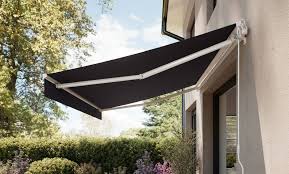
Budget-friendly options often fail much sooner, sometimes within 3 to 5 years. These materials frequently lose their structural integrity, leading to a loss of tension. When a fabric loses its tension, it creates mechanical stress on the retractable arms, which can lead to a system that no longer meets the user's needs for safety and reliability.
When to Schedule a Re-Skin
A "re-skin" is not just about aesthetics; it is about maintaining the mechanical health of the entire system. You should consider a replacement if you notice any of the following technical failures:
- UV Thinning: When you look up at the fabric and see pinpricks of light or "bald spots," the UV-resistant coating has worn away.
- Loss of Water Resistance: If rain begins to mist through the fabric rather than beading and rolling off, the material is no longer achieving its purpose well.
- Structural Fraying: Physical tears or unravelling at the edges are clear signals that the fabric’s lifespan has ended.
Ignoring these signs can lead to mechanical problems. A degraded fabric can lead to fraying, jamming, and rattling within the tracks or the roller tube. When the fabric is no longer smooth and stable, it puts unnecessary strain on the motor, which can cause the entire system to fail. Choosing to re-skin at the right time is a sign of an expert approach to property management.
Professional Replacement and Structural Safety
Replacing the fabric is a precision task that should be handled by experts with the necessary skill and authoritativeness. A professional retractable awning contractor will not only swap the material but will also re-calibrate the arm tension and inspect the mounting brackets.
During a re-skin, the contractor must ensure that the new fabric is perfectly square to the roller. If the alignment is off by even a few millimeters, it will cause the material to bunch on one side, leading to more fraying, jamming, and rattling. This precision ensures the result is highly helpful and satisfies the user's long-term needs.
Furthermore, it is a good opportunity to check the structural health of the building where the awning is attached. Roofing contractors ensure your roof stays leak-proof while maximizing solar energy savings, and their expertise is helpful if your awning is mounted to the fascia or roofline. A specialized roofing contractor can verify that the mounting points haven't caused any hairline cracks or waterproofing issues over the years. This comprehensive check ensures your home remains a safe and reliable environment.
Conclusion
While the frame of a high-quality retractable system can last 20 years or more, the fabric is a "wear item" that requires replacement every 5 to 10 years in Singapore. By using premium Phifer Fabric and engaging a professional retractable awning contractor for the re-skin, you ensure that your installation remains a highest-quality feature of your home.
By focusing on technical accuracy and timely maintenance, you ensure that your outdoor shading achieves its purpose very well and continues to be a reliable resource for your family.