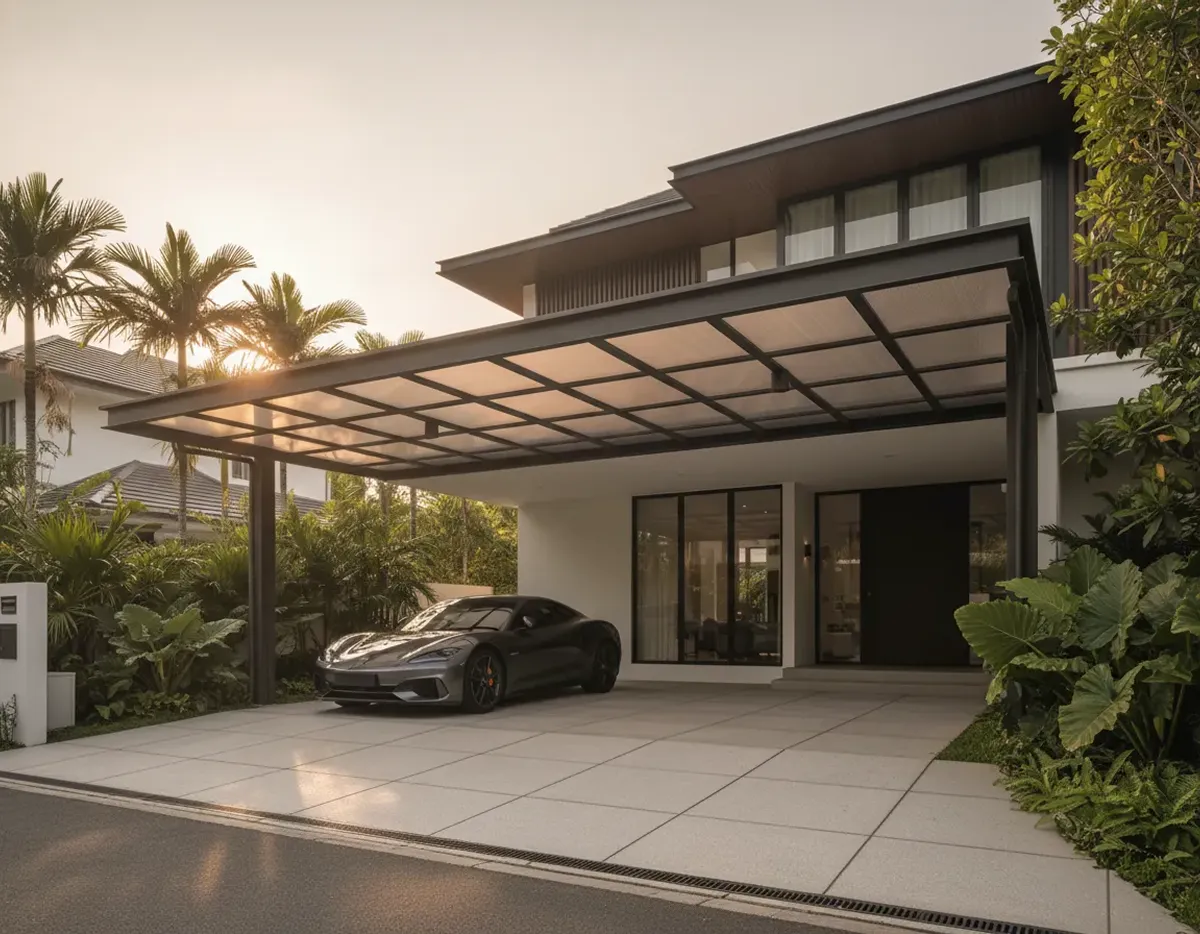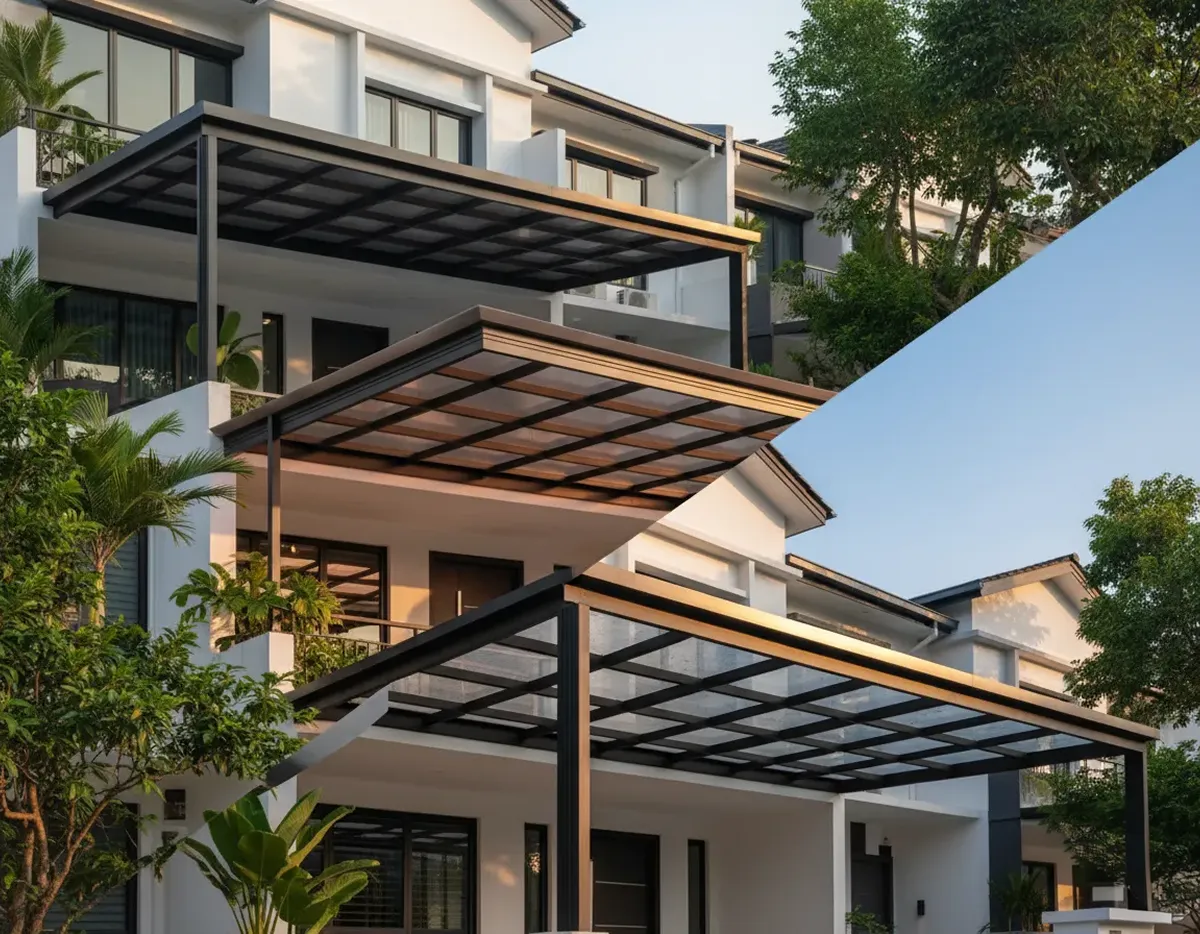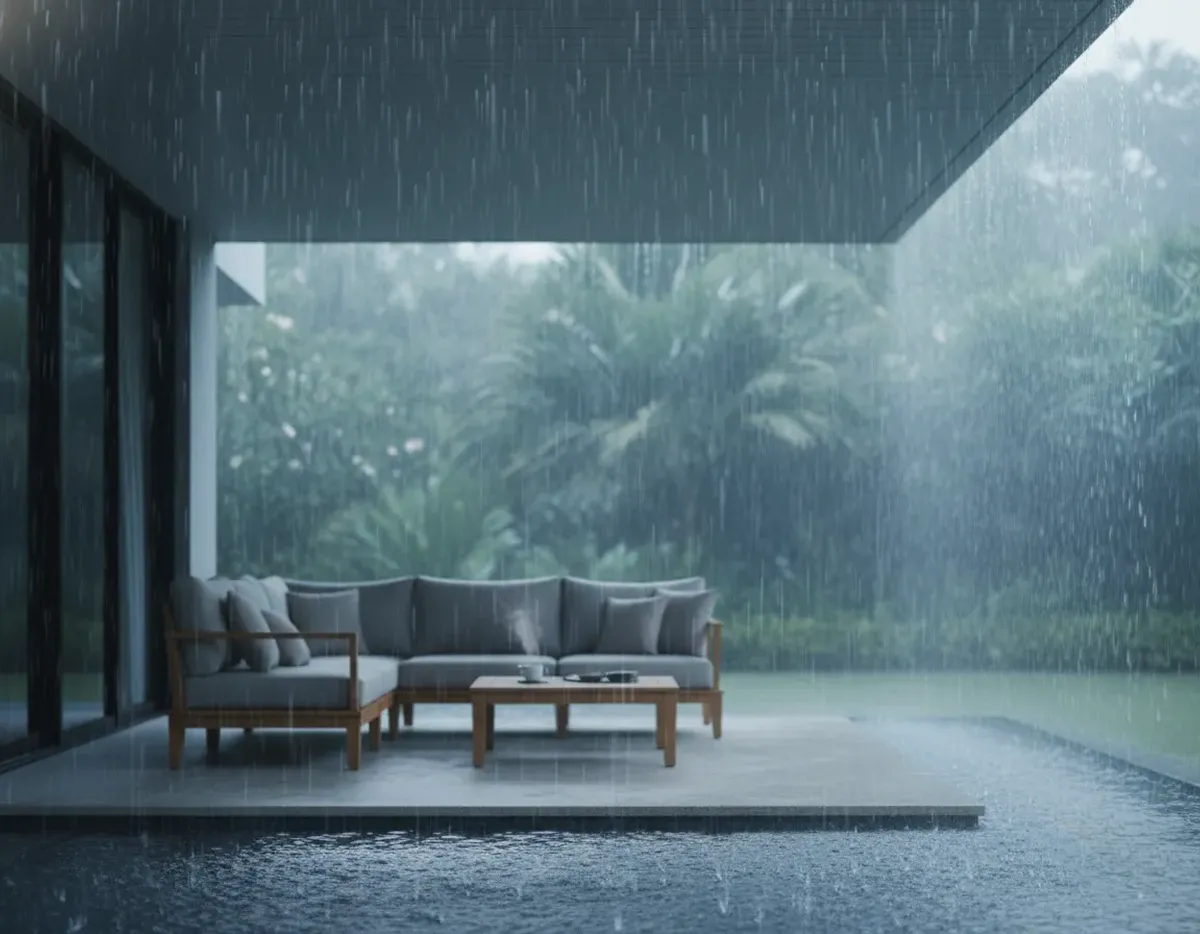
In Singapore’s tropical climate, where torrential afternoon downpours are as common as the blistering midday sun, a retractable awning is no longer a luxury—it is a functional necessity for landed homes, condominiums, and commercial shopfronts. However, the "sticker price" you see online often fails to account for the nuances of Singapore’s building regulations, material durability, and long-term maintenance.
This 2026 guide provides a deep dive into the costs of retractable awnings, helping you navigate the market with the expertise of a seasoned contractor.
1. The Real Cost Components: What Are You Paying For?
The competitor's guide lists basic factors, but to truly understand your investment, you must break down the awning into its three core engineering components:
A. The Fabric (The Shield)
The fabric accounts for approximately 30% to 40% of the total cost. In Singapore, UV resistance is the priority.
- Solution-Dyed Acrylic (Premium): Brands like Sunbrella or Dickson are the gold standard. These fabrics are dyed to the core, ensuring they don't fade under Singapore’s intense UV index. Expect to pay a 20-30% premium over generic fabrics.
- PVC-Coated Polyester: Highly waterproof and easier to clean, but can feel "plastic" and traps heat. These are often used for commercial budget-friendly solutions.
B. The Framework (The Skeleton)
The "arms" of a retractable awning are under constant tension.
- Standard Aluminum: Most use extruded aluminum.
- Premium Marine-Grade Aluminum (6063-T5): Essential for coastal properties (e.g., Sentosa Cove or East Coast) to prevent salt-air corrosion. High-quality arms use twin stainless steel cables or high-tension chains for 10,000+ cycles.
C. The Mechanism (The Heart)
- Manual Crank: Cost-effective, but labor-intensive for larger spans (over 4 meters).
- Motorized (Somfy/Dooya): Incorporating a motor adds SGD 500 to SGD 1,200 to the bill. European motors like Somfy offer smoother torque and longer warranties compared to entry-level alternatives.
2. Updated Price for 2026
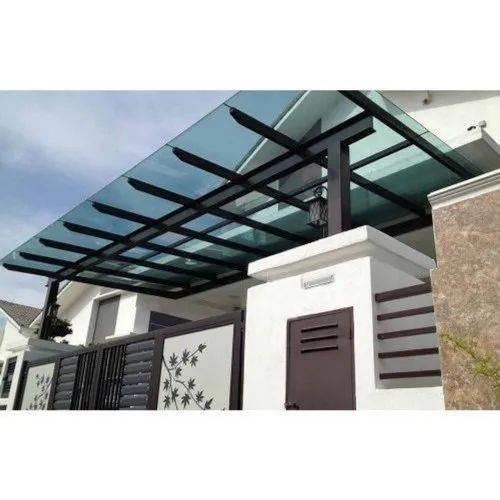
While prices fluctuate based on global shipping and raw material costs (aluminum), the following table represents the current market rate for professional installation in Singapore:
- Manual retractable awnings: SGD 950 - 1,400
- Motorized retractable awnings: SGD 1,600 - 2,200
- Manual retractable awnings: SGD 1,800 - 2,800
- Motorized retractable awnings: SGD 2,600 - 3,800
- Manual retractable awnings: N/A (Manual operation is generally not available due to weight)
- Motorized retractable awnings: SGD 4,500 - 7,500+
- Manual retractable awnings: SGD 1,500 - 2,500
- Motorized retractable awnings: SGD 2,200 - 3,500
Note: "Full-Cassette" awnings are the most expensive because the fabric and arms are completely enclosed in a metal box when retracted, protecting them from Singapore’s grime and bird droppings.
3. Singapore-Specific Regulatory Costs: HDB, URA, and MCST
One major omission in most guides is the cost of compliance. In Singapore, you cannot simply bolt an awning onto any wall.
HDB Properties
For HDB shopfronts or certain ground-floor units, you must adhere to HDB’s standard designs. Failure to do so can result in fines and a "Notice to Remove." Expect a small administrative fee if your contractor handles the permit filing.
Condominiums (MCST)
Most MCSTs have a "Uniformity of External Appearance" clause. This means:
- Color Restrictions: You must use the specific fabric code (e.g., Sunbrella Slate) approved by the management.
- Size Limits: There is often a maximum projection (usually 2.0m to 2.5m) allowed.
- Deposit: You may need to place a renovation deposit (typically SGD 500 - 1,000) with the Management Office before installation.
Landed Properties (URA Guidelines)
For landed homes, if your awning extends beyond a certain limit or over a public drain/boundary, it may be classified as a "Gross Floor Area" (GFA) increase. Professional installers should advise you on URA’s 2-meter rule for sunshades.
4. Advanced Technology: Smart Awnings
In 2026, the trend in Singapore is Smart Home Integration. Basic motorized awnings are being replaced by automated systems:
- Wind Sensors (SGD 150 - 250): Critical for Singapore’s "Sumatra Squalls." The sensor detects high-speed tremors and automatically retracts the awning to prevent the arms from snapping.
- Rain Sensors (SGD 200 - 300): Automatically extends the awning when it starts to drizzle to keep your patio furniture dry.
- App Control: Integration with Google Home or Apple HomeKit allows you to retract your awning from the office if you see a storm brewing on the NEA Weather app.
5. The Hidden Costs of Installation
When comparing quotes, ask if the following are included:
- Scaffolding/Ladders: If the installation is on a high ceiling or second story, scaffolding rental can add SGD 300 - 600.
- Electrical Point Installation: Motorized awnings require a 13A power point. If there isn't one nearby, a licensed electrician will charge SGD 150 - 250 to pull a new line.
- Disposal Fees: Replacing an old, rusted awning? Some contractors charge SGD 80 - 150 to dismantle and dispose of the old unit at a designated recycling center.
6. Maintenance: Protecting Your Investment
A cheap awning lasts 2 years; a well-maintained premium awning lasts 10+.
- Fabric Cleaning: Singapore’s humidity leads to algae growth. A professional deep clean every 12 months costs roughly SGD 200, but it prevents permanent staining.
- Arm Lubrication: Use a dry silicone spray on the joints every 6 months to prevent the "creaking" sound common in tropical environments.
- Pitch Adjustment: Ensure the awning has at least a 15-degree slope. If it's too flat, water will "pool" in the middle, stretching the fabric and eventually snapping the support arms.
7. Energy Efficiency and ROI
Installing a retractable awning is an investment that pays back through reduced utility bills. By shading large sliding glass doors (common in Singapore condos), you can reduce the solar heat gain of your living room by up to 77%.
- AC Savings: Internal temperatures can drop by 3°C to 5°C, meaning your air-conditioning unit doesn't have to work as hard to maintain a cool environment.
- Property Value: A high-quality, motorized outdoor shade solution is a significant selling point in Singapore’s real estate market, often categorized under "Outdoor Living" enhancements.
Conclusion: Why Cheap is Expensive
When it comes to retractable awnings in Singapore, a low-ball quote of SGD 700 usually indicates inferior "non-branded" fabric that will sag within a year or a frame that will rust at the first sign of rain.
For a standard Singapore home, a budget of SGD 2,500 to SGD 3,500 for a motorized, brand-name fabric awning is the "sweet spot" for quality, safety, and longevity.
Ready to Shade Your Space with The Best Awning Contractor in Singapore?
Don't settle for generic solutions. Whether you need a heavy-duty solution for a landed patio or a sleek, MCST-approved cassette awning for your balcony, prioritize durability.
Contact Ruufer today for a site measurement and a transparent, no-obligation quote. Our experts ensure your installation is fully compliant with local regulations.
Expert Tip: Always ask for the fabric’s "UV Protection Factor" (UPF). In Singapore, you should settle for nothing less than UPF 50+.
FAQ
Q: Can I install an awning in my HDB flat? A: Usually, no. HDB rarely allows external awnings for residential units above the ground floor to prevent killer litter risks. Check with your Town Council first.
Q: How long does installation take? A: Once the fabric is custom-cut (usually 7-10 days), the actual on-site installation takes only 3 to 5 hours.
Q: What happens during a thunderstorm? A: If you do not have a wind sensor, you must retract the awning. The fabric acts like a sail; strong gusts can rip the mounting bolts out of the wall.