The Complete Guide to Glass Awnings in Singapore
What Is a Glass Awning?
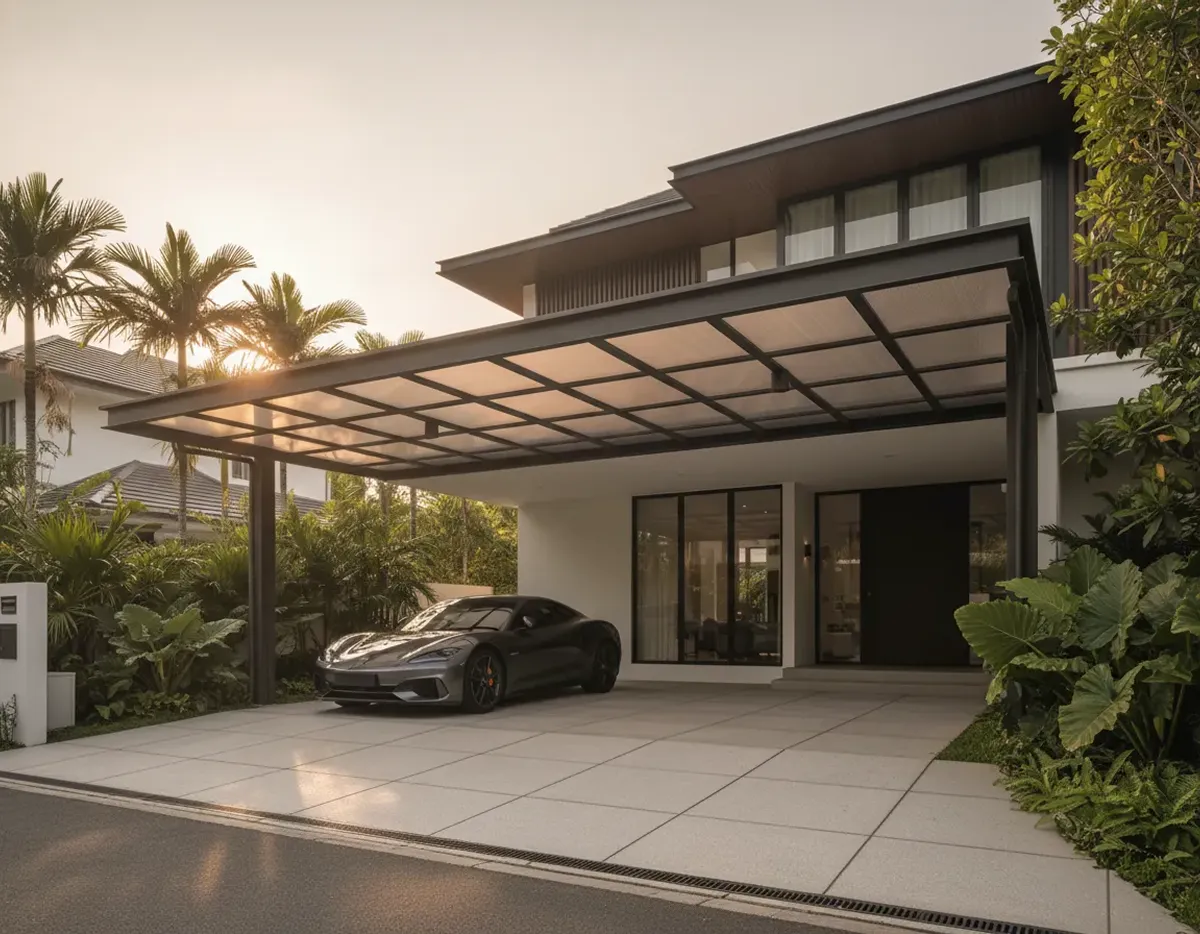
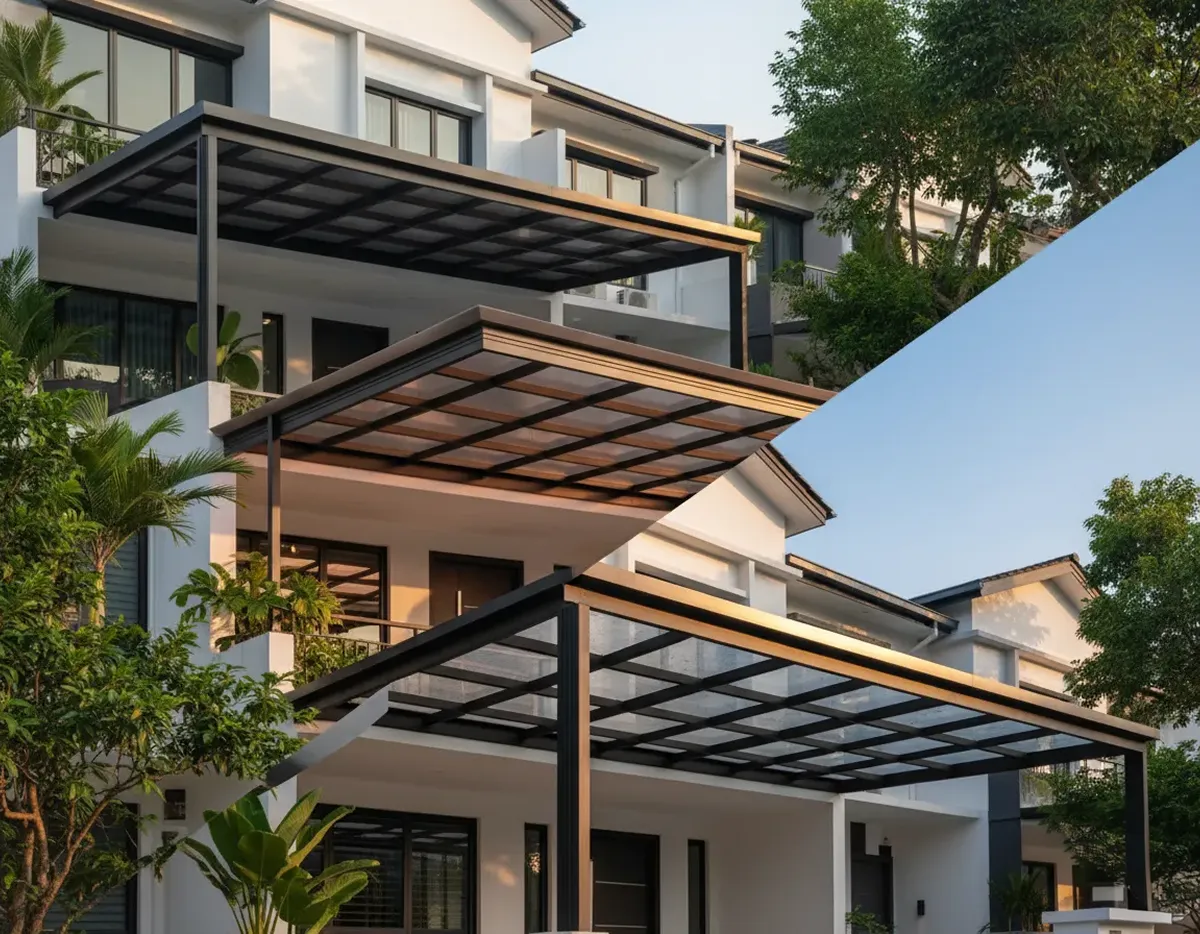
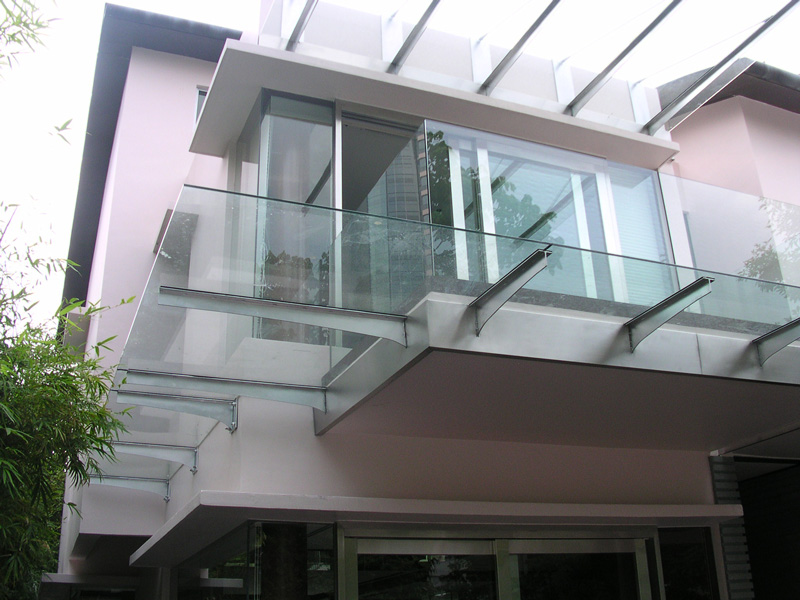
A glass awning is a fixed overhead canopy made from toughened or laminated glass panels supported by a metal frame — typically aluminium or stainless steel. Unlike fabric awnings, glass awnings are rigid, permanent structures designed to provide shelter while maintaining an open, airy aesthetic. In Singapore's dense urban landscape, they are increasingly popular across landed homes, shophouses, commercial entrances, and HDB common corridors.
Why Glass Awnings Make Sense in Singapore
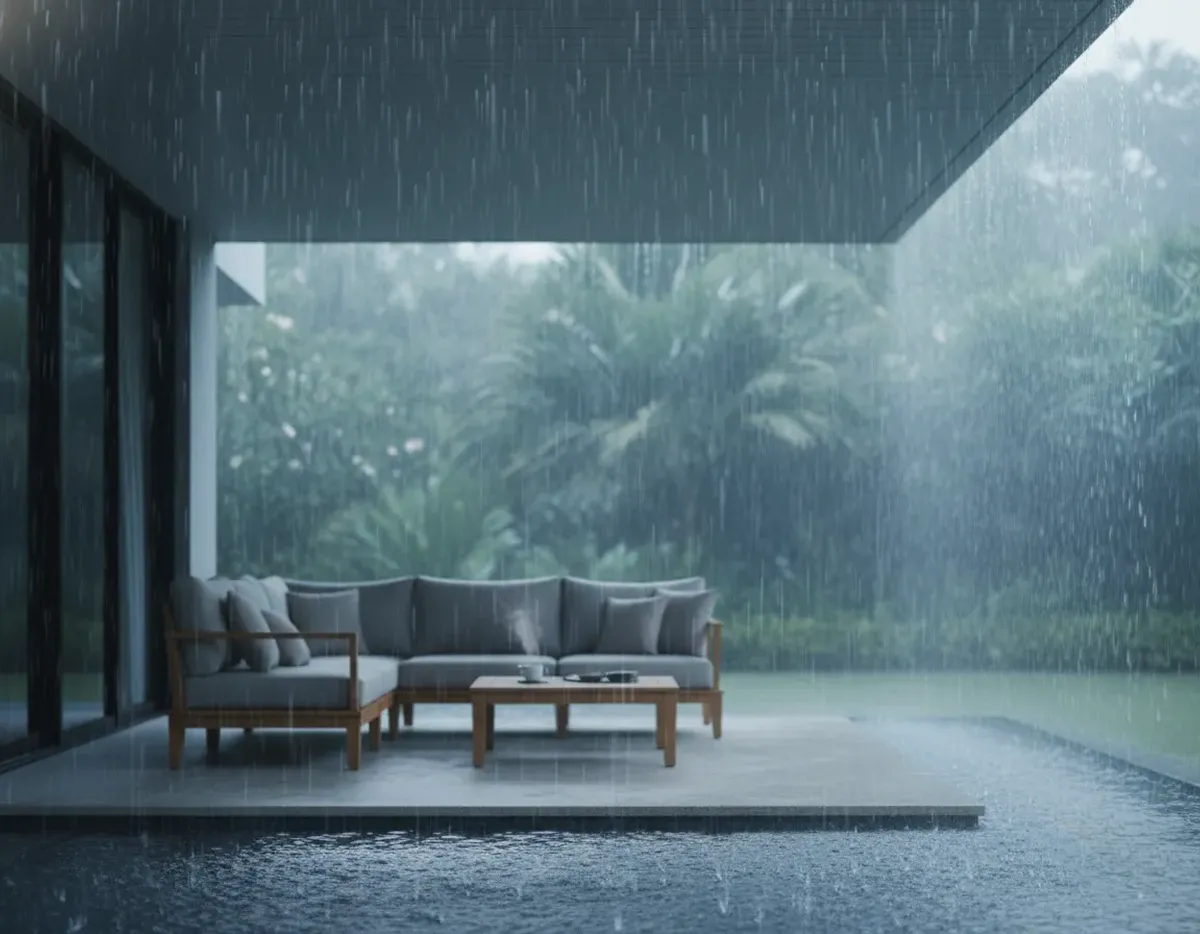
Singapore's climate is relentless — high humidity, intense UV radiation, and sudden heavy rainfall are facts of daily life. A glass awning addresses all three. It keeps rain out while allowing natural light to pass through, preventing the dark, enclosed feeling that solid awnings or roof extensions can create. This balance of shelter and brightness is particularly valuable in Singapore, where outdoor transitional spaces like car porches, side gates, and alfresco dining areas are expected to be both functional and visually open.
Singapore receives an average of 2,165 hours of sunshine per year, making UV-resistant glazing not a luxury but a necessity for any outdoor glass installation. Quality glass awnings use low-emissivity (low-E) or tinted laminated glass to filter out harmful UV rays while still flooding the space beneath with diffused natural light — protecting both occupants and interior furnishings from sun damage.
Types of Glass Used
Not all glass awnings are equal, and the type of glass chosen has a significant impact on safety, durability, and performance.
Tempered Glass is heat-treated to be four to five times stronger than ordinary glass. If it does break, it shatters into small, blunt fragments rather than dangerous shards — an important safety feature for overhead installations. It is the most commonly used glass in residential awnings across Singapore.
Laminated Glass consists of two glass panes bonded with a polyvinyl butyral (PVB) interlayer. If cracked, the interlayer holds the broken pieces in place, preventing them from falling. This makes laminated glass the preferred choice for commercial properties, schools, and any setting with heavy foot traffic below.
Insulated Glass Units (IGUs) combine two panes with an air or argon gap between them, offering superior thermal performance. While less common in awnings specifically, they are sometimes used in larger canopy projects where heat reduction is a priority.
Frame Materials and Finish
The frame is as important as the glass itself, particularly in Singapore's humid, salt-laden coastal air. Aluminium is by far the most popular choice — it is lightweight, corrosion-resistant, and available in a wide range of powder-coat colours and anodised finishes. Stainless steel is stronger and offers a sleeker, more architectural look but comes at a higher cost and requires occasional polishing to maintain its appearance. Both materials perform well in Singapore's tropical climate when properly treated and installed.
Installation Considerations in Singapore
Before installing a glass awning in Singapore, there are regulatory factors to be aware of. Works that extend beyond the boundary of your property or alter the external facade of certain building types may require approval from the Urban Redevelopment Authority (URA) or the Building and Construction Authority (BCA). Engaging a licensed contractor familiar with local regulations is essential to avoid costly removal orders.
Structurally, the wall or beam the awning is anchored to must be assessed for load-bearing capacity. Glass is considerably heavier than fabric — a square metre of 10mm tempered glass weighs approximately 25kg — so the mounting surface and bracket specifications must be engineered accordingly. Reputable installers in Singapore will conduct a site assessment before quoting, and owners should be wary of contractors who skip this step.
Maintenance and Longevity
One of the strongest arguments for choosing a glass awning over a fabric one is longevity. A well-installed tempered or laminated glass awning in Singapore can last 20 to 30 years with minimal maintenance — far outlasting fabric alternatives that degrade under UV exposure and trap mould in the humid local climate.
Maintenance is straightforward. Glass panels should be cleaned every one to three months depending on surrounding vegetation and pollution levels. A mild detergent, soft cloth, and clean water are sufficient for most cleaning. The aluminium frame should be inspected annually for signs of oxidation at joints and sealant points, and silicone sealant around panel edges should be replaced every five to eight years to maintain weatherproofing integrity.
Cost in Singapore
Glass awning pricing in Singapore varies widely based on size, glass type, and frame complexity. As a general guide, a basic residential glass awning over a car porch or side entrance — typically 3m x 2m — starts from around SGD 1,500 to SGD 2,500 for tempered glass with an aluminium frame. Larger commercial installations or those using laminated or IGU glass can run from SGD 5,000 to SGD 15,000 or more. While the upfront cost is higher than a fabric or polycarbonate awning, the significantly longer lifespan and near-zero replacement cost make glass a more economical choice over a 10 to 20 year horizon.
Is a Glass Awning Right for You?
A glass awning is an excellent investment for Singapore homeowners and business owners who want a durable, low-maintenance, and visually clean sheltering solution. It suits modern and contemporary architecture particularly well, and its transparency keeps spaces feeling open even in Singapore's compact built environment. For those prioritising longevity, aesthetics, and all-weather performance over the lower upfront cost of fabric or polycarbonate alternatives, glass is the clear choice.