In Singapore, air-conditioning isn’t a luxury — it’s a necessity. But many homeowners don’t realise that a large part of their cooling cost is decided by the roof above their heads.
A poorly designed or ageing roof allows heat to build up quickly, forcing your air-conditioning to work harder and longer. The result? Higher electricity bills and uncomfortable indoor temperatures.
The good news: you don’t need to rebuild your entire roof to improve energy efficiency. Strategic upgrades can make a noticeable difference.
Why Your Roof Has a Direct Impact on Energy Bills
Singapore’s sun is intense and consistent year-round. When heat hits your roof:
- It gets absorbed by roofing materials
- That heat transfers into living spaces
- Air-conditioning compensates by running longer
Over time, this increases:
- Monthly electricity costs
- Wear on AC systems
- Indoor discomfort during peak hours
An energy-smart roof works with the climate — not against it.
Energy-Smart Roof Upgrades That Actually Work in Singapore
Instead of gimmicks, focus on upgrades proven to reduce heat gain in tropical environments.
1. Light-Coloured or Reflective Roofing Finishes
Dark roofs absorb heat. Light-coloured or reflective finishes bounce heat away before it enters your home.
Benefits:
- Lower roof surface temperature
- Reduced heat transfer indoors
- Less reliance on air-conditioning during the day
This upgrade is especially effective for metal and panel-based roofing systems.
2. Roof Insulation Layers (Biggest Energy Impact)
Insulation acts as a barrier between outdoor heat and indoor living spaces.
When installed beneath roofing materials, insulation:
- Slows heat transfer
- Keeps indoor temperatures more stable
- Improves comfort during both day and night
This is one of the most cost-effective upgrades for Singapore homes and works well with:
- Metal roofing
- ACP roofing
- Covered outdoor structures
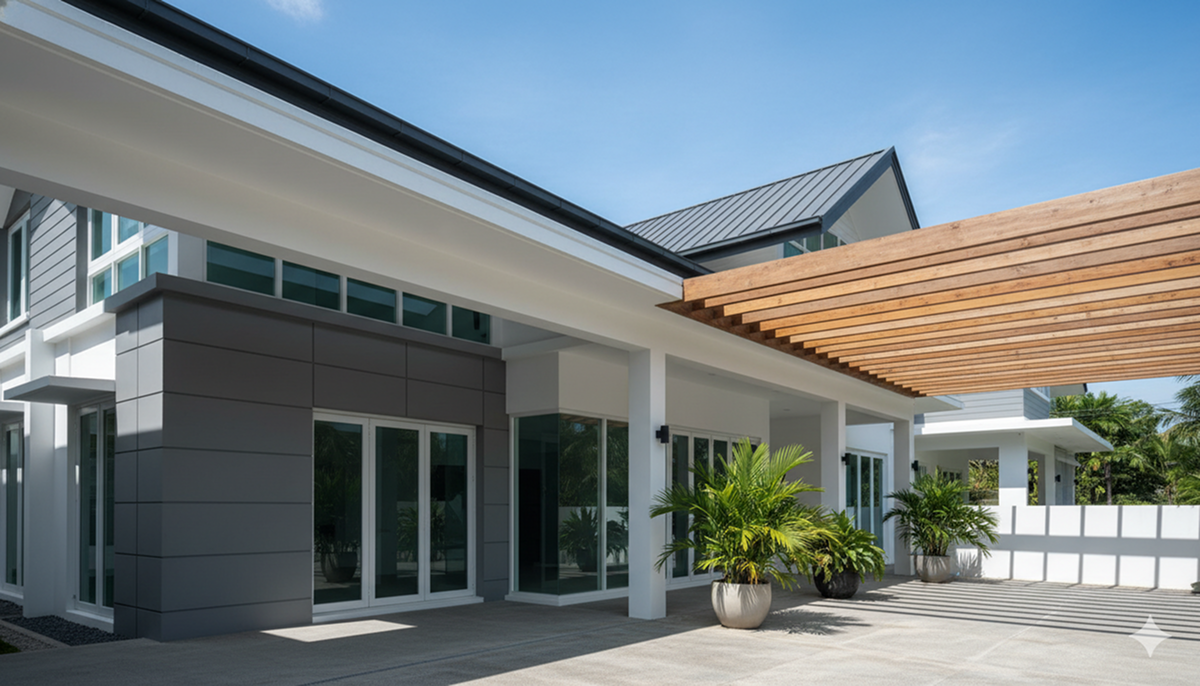
3. Shaded Roof Extensions & Overhangs
Direct sunlight hitting walls and windows increases indoor heat quickly.
Roof extensions, awnings, and pergolas:
- Reduce direct sun exposure
- Create shaded buffer zones
- Help keep indoor spaces cooler naturally
They’re especially useful for:
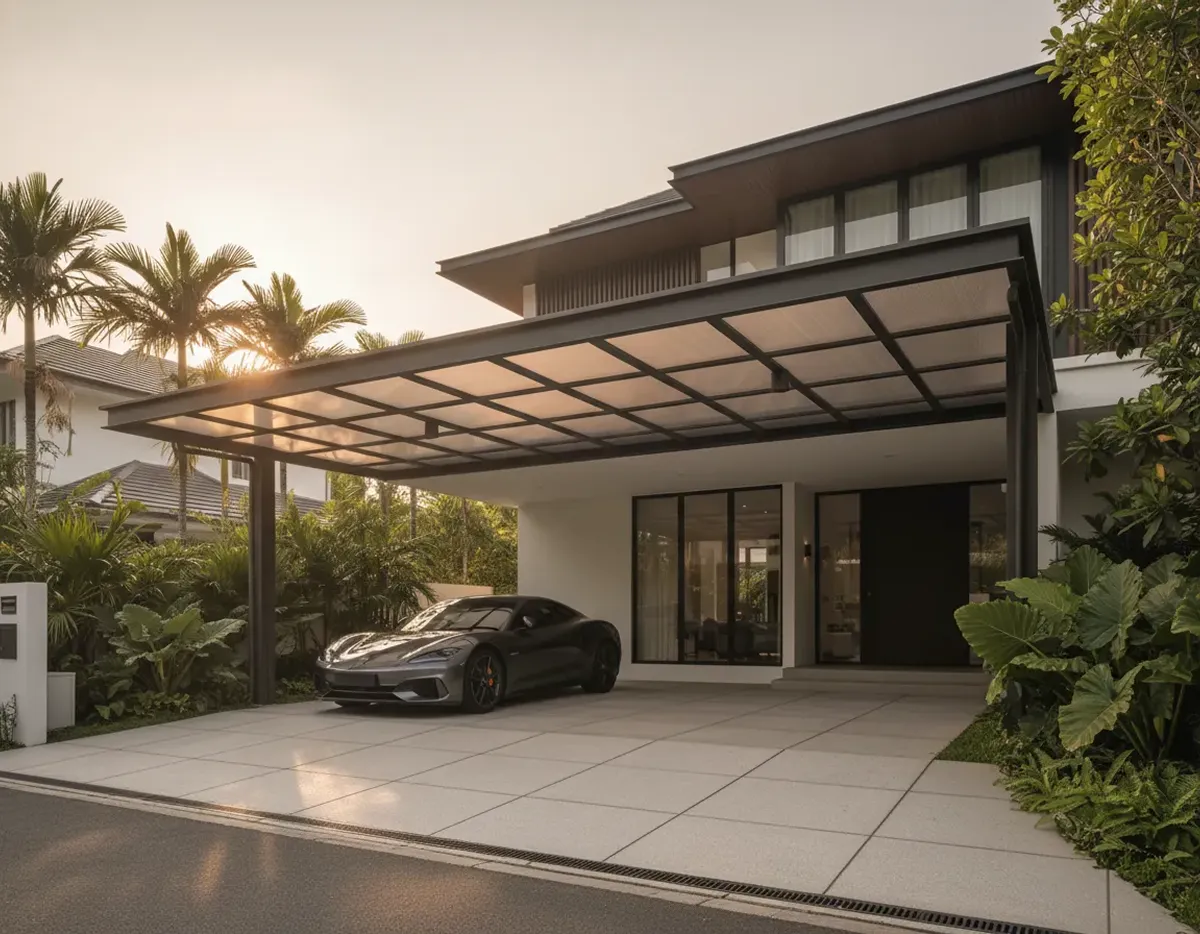
- Car porches
- Patios
- West-facing areas that receive strong afternoon sun
4. Choosing the Right Roofing Material for Heat Control
Not all roofing materials handle heat the same way.
Energy-efficient options are typically:
- Reflective
- Properly insulated
- Well-ventilated
- Installed with correct spacing and fixings
The right combination reduces heat buildup and improves long-term performance.
Benefits You Can Expect from Energy-Smart Roof Upgrades
Homeowners who invest in smart roofing upgrades typically notice:
- Lower electricity bills
- Cooler indoor temperatures
- Reduced AC usage
- Improved daily comfort
- Longer lifespan of roofing materials
- Better resale value of the home
While savings vary by home and usage, most upgrades begin paying off through comfort and energy reduction almost immediately.
Why Professional Assessment Matters Before Upgrading
Not every home needs the same solution.
A professional roofer will assess:
- Roof orientation and sun exposure
- Existing materials and structure
- Ventilation and insulation gaps
- Usage patterns of indoor spaces
This ensures upgrades are effective, not unnecessary.
How Ruufer Helps Homeowners Build Energy-Efficient Roofs
Ruufer specialises in roofing systems designed for Singapore’s climate and energy demands, including:
- Heat-reflective roofing solutions
- Insulated roofing systems
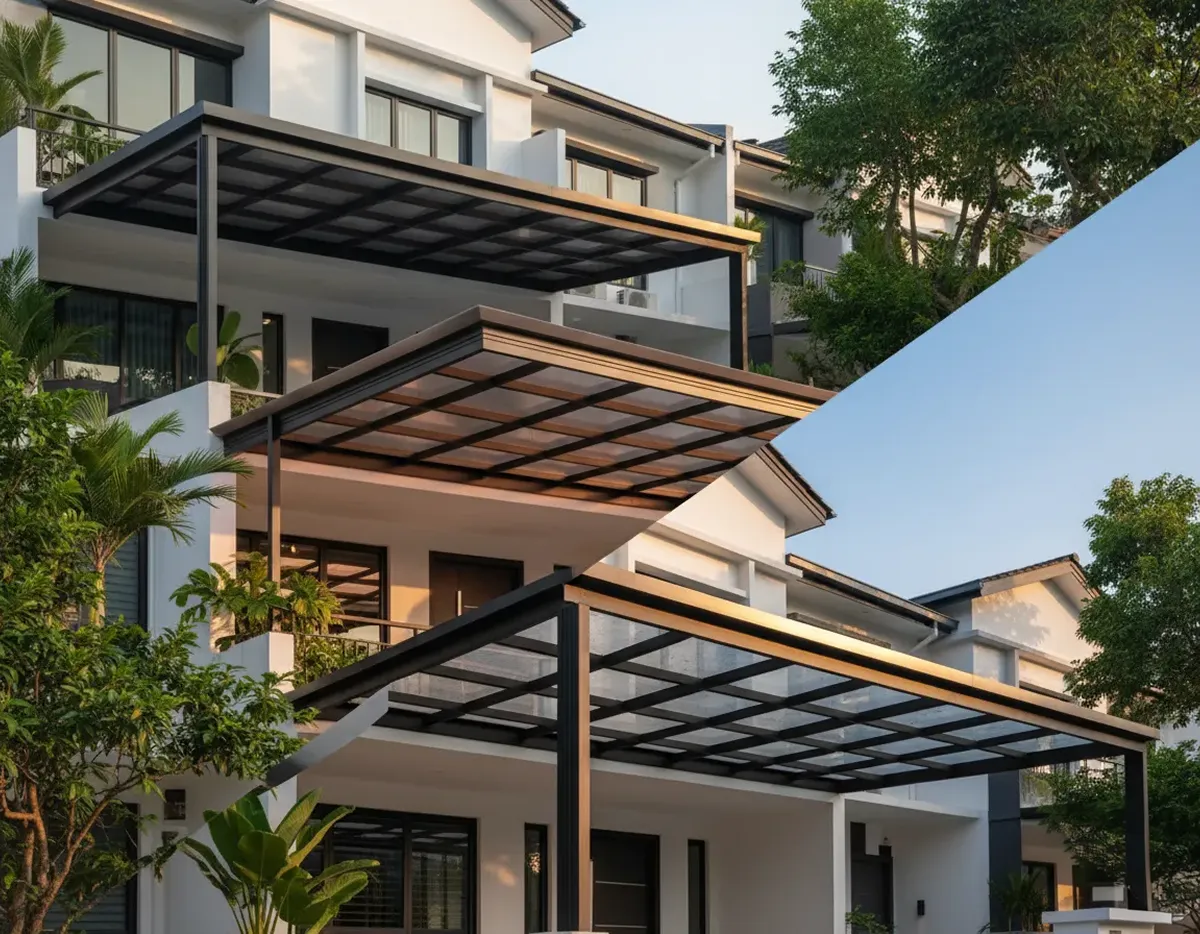
- Polycarbonate and ACP roofing installations
- Roof extensions, awnings, and pergolas
- Repairs and upgrades for ageing roofs
Their approach focuses on long-term comfort and efficiency, not quick fixes.
Final Thoughts: Your Roof Can Help You Save — Or Cost You More
In Singapore’s climate, energy efficiency starts at the top.
Smart roof upgrades:
- Reduce heat before it enters your home
- Lower cooling costs
- Improve everyday comfort
If your home feels hot even with the AC running, your roof may be the missing piece.