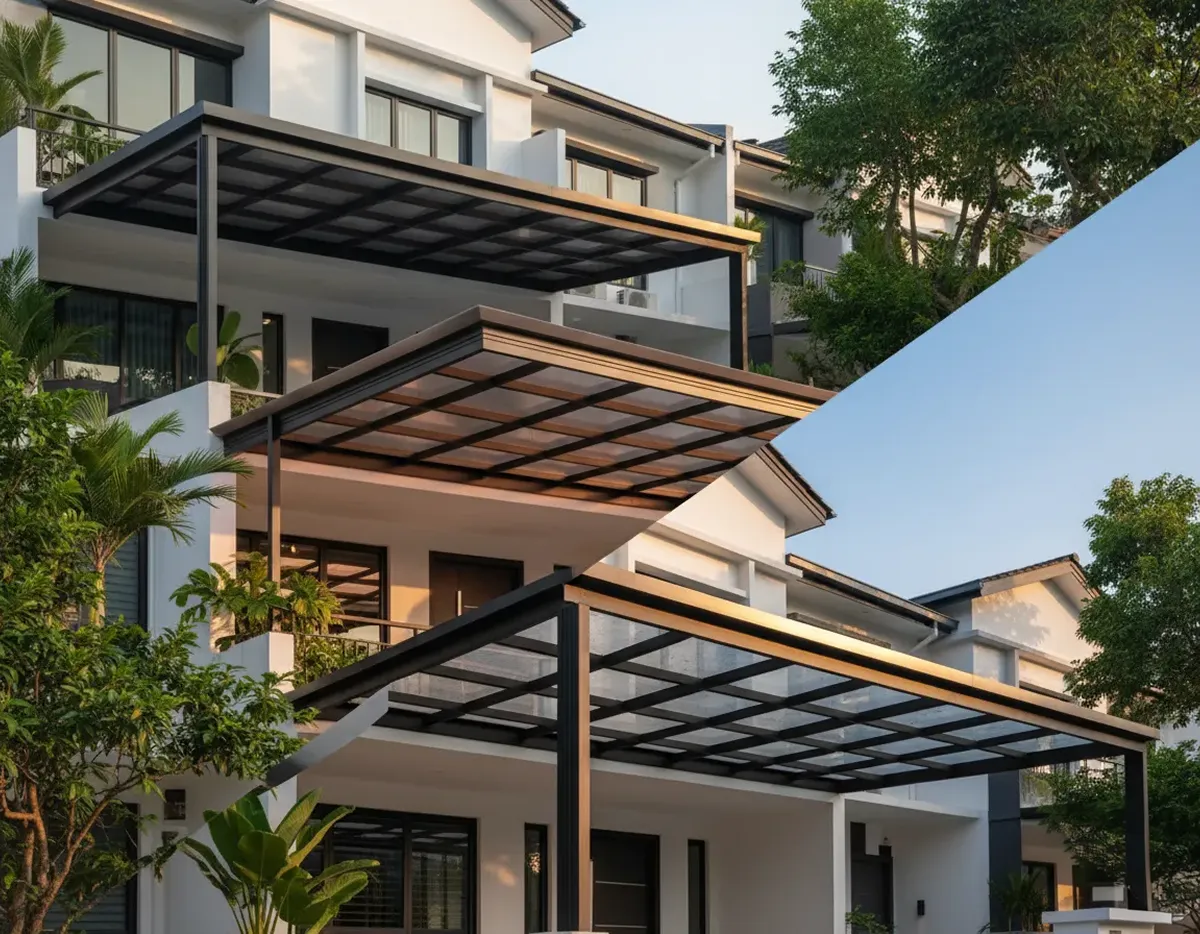
If heavy rain sounds uncomfortably loud in your home, you’re not imagining it — and you’re definitely not alone.
In Singapore, sudden downpours combined with certain roofing materials can turn rain into a drumbeat. The good news? Roof noise is usually fixable, and in many cases, you don’t need a full roof replacement to solve it.
This article explains:
- Why roofs sound louder in Singapore
- Which roof types are most affected
- Practical ways to reduce noise
- When roof noise is a warning sign of bigger problems
Why Roofs Sound Louder During Heavy Rain in Singapore
Singapore’s climate creates the perfect conditions for roof noise problems:
- Intense, fast-falling rain
- Large raindrops during storms
- Long rainy seasons
- Heat-expanded materials that loosen over time
But climate alone isn’t the full story — roof design and installation matter just as much.
Common Causes of Roof Noise in Singapore Homes
1. Hard Roofing Surfaces (Noise Reflection)
Some roofing materials naturally reflect sound instead of absorbing it.
Materials that tend to be noisier during rain include:
- Metal roofing without insulation
- Polycarbonate panels (especially thinner grades)
- ACP roofing installed without sound-dampening layers
When rain hits these surfaces directly, the impact noise travels straight into your living space.

2. Lack of Insulation or Underlayment
Many noisy roofs aren’t poorly built — they’re simply under-insulated.
Without insulation:
- Sound vibrations pass through roof panels
- Rain impact feels sharper and louder
- Indoor spaces echo more during storms
This is especially common in:
- Older installations
- Car porches and patios
- Outdoor extensions added later
3. Poor Ventilation or Hollow Spaces
Empty air gaps beneath the roof can act like sound amplifiers.
Instead of absorbing rain noise, these cavities:
- Trap sound waves
- Increase echo
- Make rain sound louder than it actually is
Ventilation and layering play a big role in controlling this.
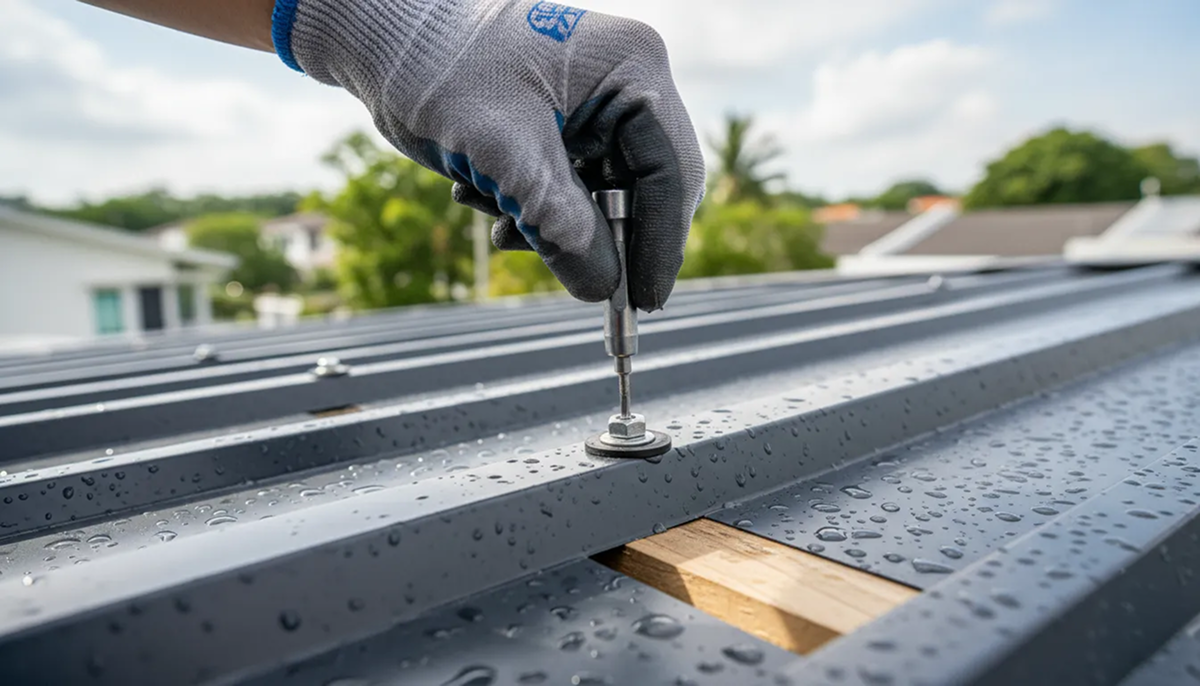
4. Loose Panels, Screws, or Fixings
If your roof is:
- Rattling
- Vibrating
- Clicking during rain or wind
It may indicate:
- Loose fasteners
- Expanded materials that weren’t re-secured
- Worn mounting brackets
This is common in roofs exposed to years of heat expansion and contraction.
How to Reduce Roof Noise Effectively
The right solution depends on why your roof is noisy. Below are the most effective fixes.
1. Add Roof Insulation (Most Effective Solution)
Insulation doesn’t just control temperature — it also absorbs sound.
Benefits include:
- Reduced rain noise
- Cooler indoor spaces
- Improved overall comfort
Insulation works especially well for:
- Metal roofing
- ACP roofing
- Covered outdoor areas

2. Install Noise-Reducing Underlayment
Roof underlayments sit between the roofing material and the structure below.
They help by:
- Absorbing impact noise
- Reducing vibration
- Acting as a sound barrier
This is a popular upgrade for polycarbonate and metal roofing systems.
3. Upgrade to Thicker or Better-Supported Panels
Not all panels are equal.
For example:
- Low-quality polycarbonate panels amplify sound
- Thicker, UV-stabilised panels reduce vibration
- Proper spacing and support prevent drumming
Using the right materials — and installing them correctly — makes a huge difference.
4. Professional Sound-Reduction Treatments
In some cases, roofers can apply:
- Additional sound-dampening layers
- Special coatings
- Structural reinforcements
These solutions are tailored based on roof type and noise source.
When Roof Noise Signals a Bigger Problem
Not all noise is harmless.
You should book a professional roof inspection if noise is accompanied by:
- Leaks or ceiling stains
- Visible vibration during rain
- Panels shifting in strong wind
- Sudden increase in noise compared to before
In these cases, sound may be a symptom of structural or installation issues — not just rain impact.
How Ruufer Helps Reduce Roof Noise in Singapore Homes
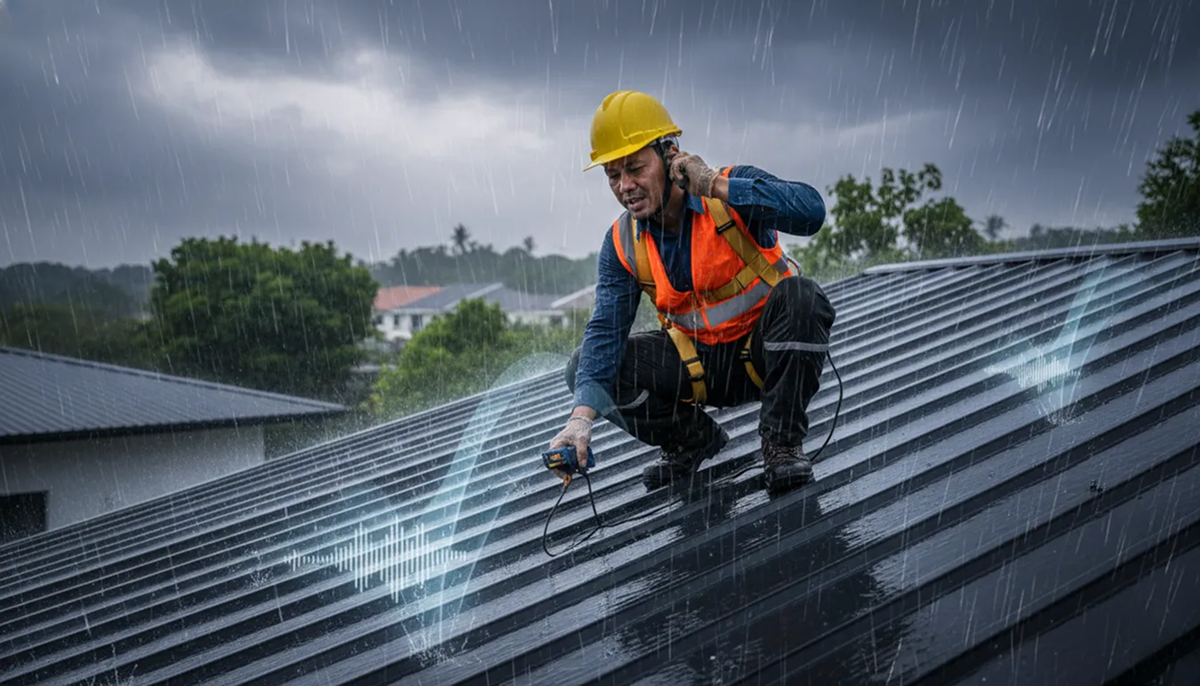
Ruufer designs and installs roofing systems with Singapore’s weather and sound conditions in mind.
Their solutions include:
- Properly supported polycarbonate roofing
- Insulated ACP and metal roofing systems
- Secure fixings that resist loosening over time
- Professional inspections to identify noise sources
- Targeted upgrades instead of unnecessary replacements
Whether it’s a car porch, patio, or full roof system, addressing noise at the source ensures long-term comfort, not temporary fixes.
Final Thoughts: A Noisy Roof Isn’t Something You Have to Live With
Heavy rain is part of life in Singapore — but constant roof noise doesn’t have to be.
With the right combination of:
- Materials
- Insulation
- Proper installation
- Professional assessment
You can significantly reduce noise and improve everyday comfort in your home.
If your roof sounds louder than it should, it’s worth finding out why.