.jpg)
An outdoor patio is one of the most valuable extensions of any home. It is a space designed for relaxation, weekend barbecues, and enjoying a breath of fresh air without leaving the comfort of your property. However, the utility of this space is entirely at the mercy of the elements. A sudden downpour can ruin a dinner party, and the scorching midday sun can turn a beautiful terrace into an unusable solar oven.
To truly unlock the potential of your outdoor living area, installing a patio roof is non-negotiable. The real dilemma lies in choosing the right mechanism: Do you go for a fixed roof, or do you invest in a retractable system?
Both options offer distinct architectural, financial, and lifestyle advantages. This comprehensive guide breaks down the core differences, pros, cons, and critical decision factors to help you choose the perfect structural covering for your patio.
1. The Fixed Patio Roof: Permanent, Reliable Protection
A fixed patio roof is a permanent architectural extension of your home. Once installed, it remains completely stationary, providing uninterrupted shield against sun, rain, and wind.
Common Materials Used
- Laminated Glass: Offers a sleek, modern, high-end aesthetic. It allows maximum natural light to pass through while blocking harmful UV rays and managing noise during heavy downpours.
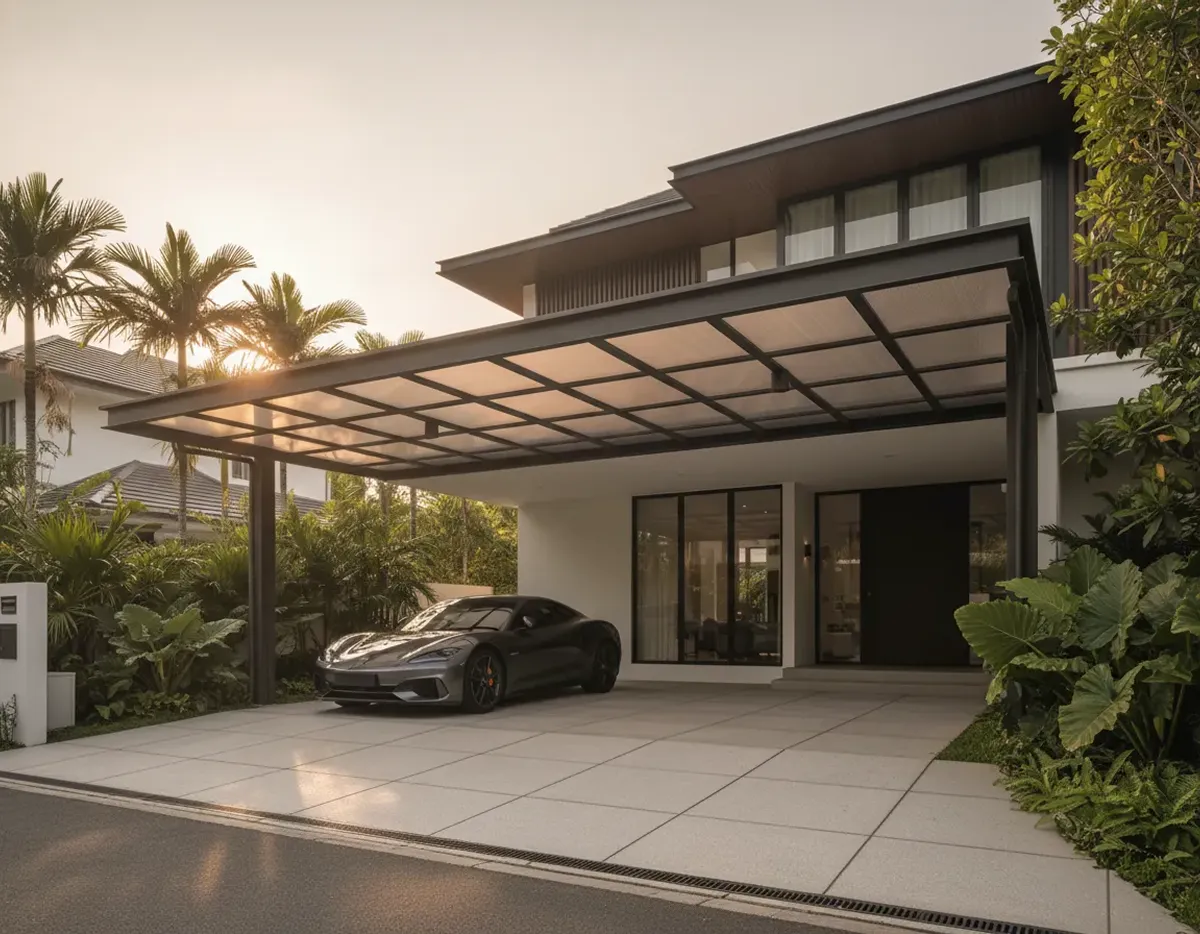
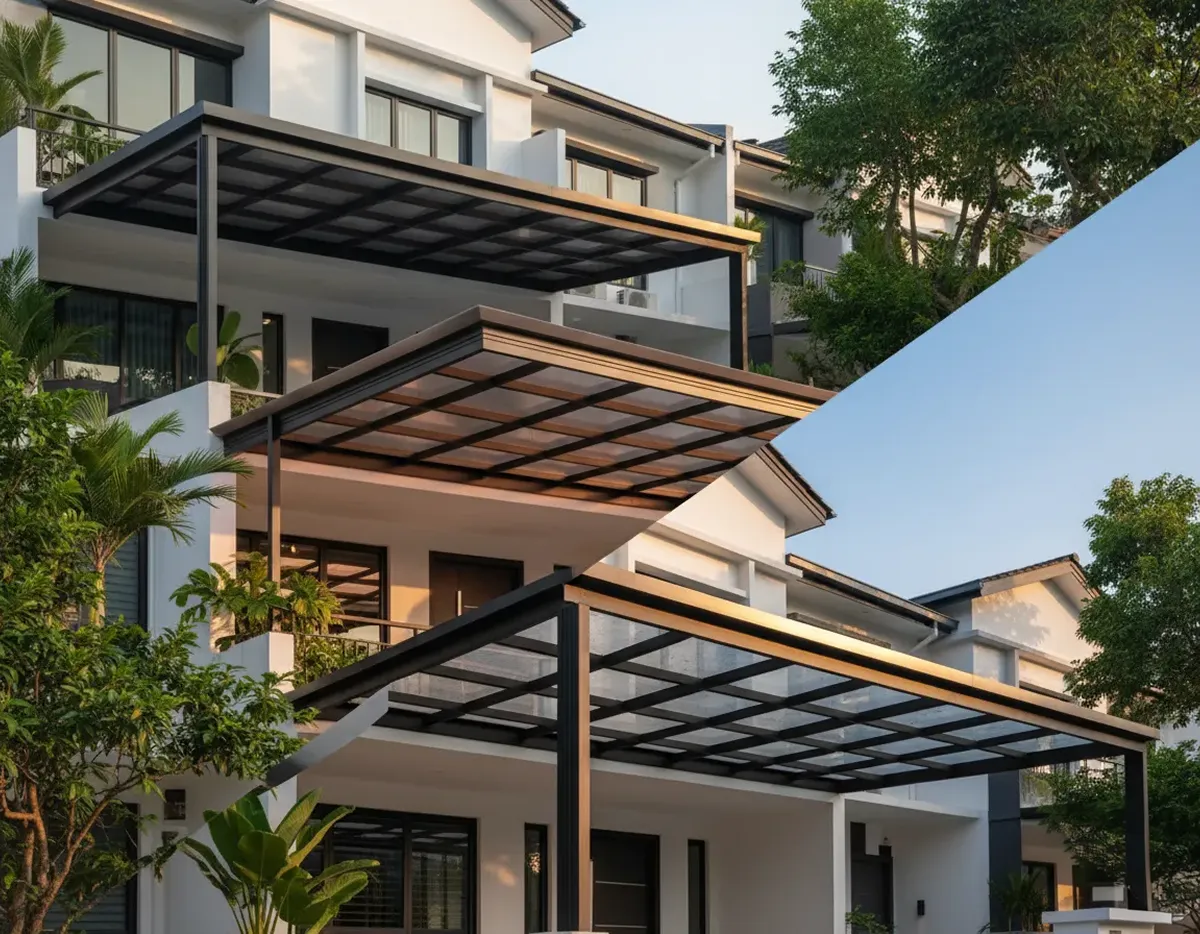
- Polycarbonate Sheets: A highly durable, lightweight, and cost-effective alternative to glass. Polycarbonate is impact-resistant and comes in tinted or frosted finishes to cut down on solar heat glare.
- Insulated Sandwich Panels / Metal Roofing: Excellent for homeowners seeking maximum thermal insulation. These solid structures completely block out light and reflect heat, keeping the patio significantly cooler.
The Advantages of a Fixed Roof
- Unmatched Durability and Low Maintenance: Because there are no moving parts, mechanical failures are non-existent. A fixed roof is designed to withstand severe weather conditions, high winds, and heavy loads for decades. Maintenance typically involves nothing more than an occasional hose-down.
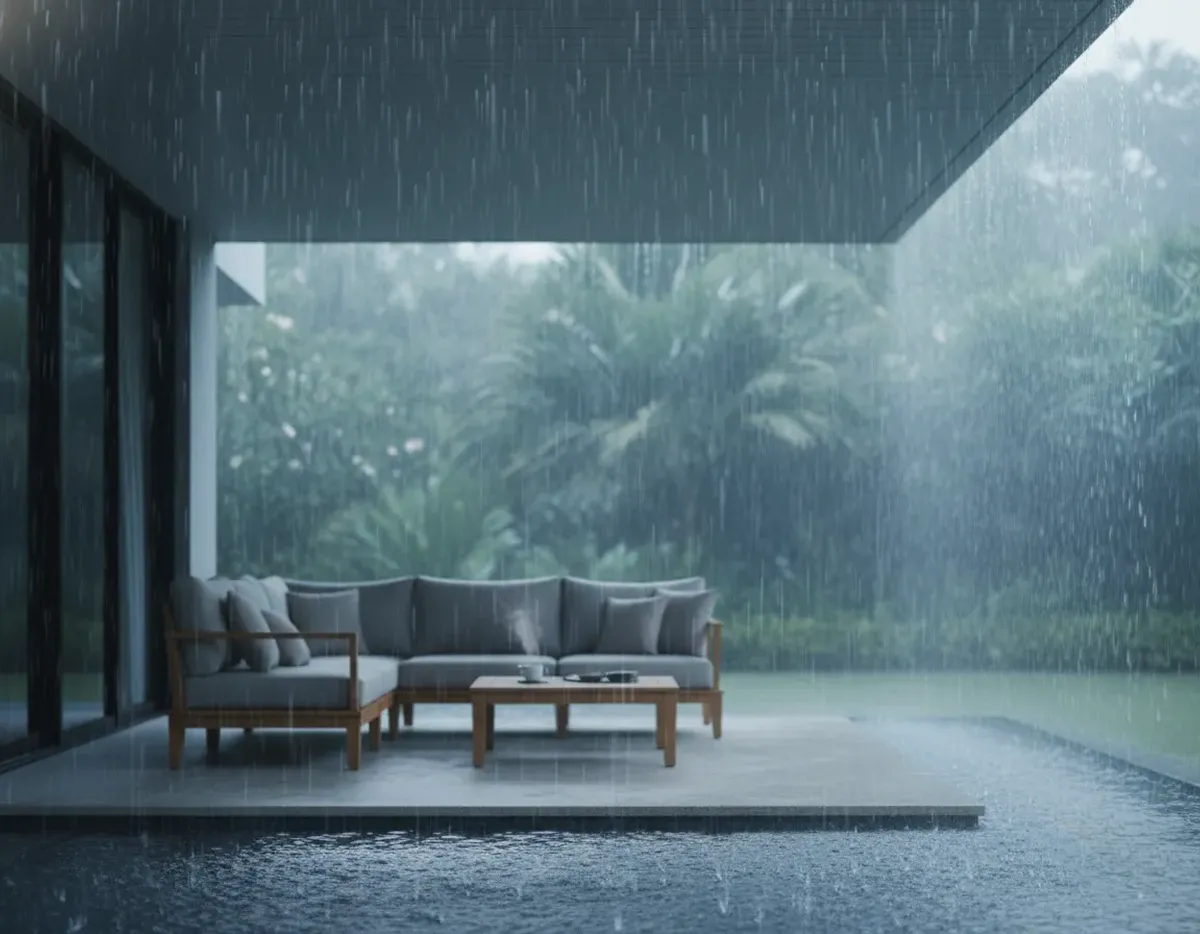
- Total, Round-the-Clock Weather Protection: Whether it is a tropical monsoon or a 40°C heatwave, a fixed roof ensures your patio furniture, outdoor kitchen, and electronics remain dry and protected 24/7.
- Long-Term Cost Efficiency: While premium materials like structural glass can be expensive upfront, fixed roofs generally demand a lower initial investment compared to motorized retractable systems of the same size. Furthermore, their near-zero maintenance costs make them highly economical over time.
The Disadvantages of a Fixed Roof
- Lack of Flexibility: Once it is up, it is up. You cannot open it to catch a cool evening breeze or look at the stars.
- Loss of Internal Natural Light: Adding a solid, opaque fixed roof over a patio can significantly darken the adjacent interior rooms of your home. Even clear glass can collect debris over time, reducing the quality of light entering your living space.
- Rigid Structural Requirements: Fixed roofs require solid foundations and heavy support posts, which can sometimes disrupt the open, airy aesthetic of a garden or terrace.
2. The Retractable Patio Roof: Dynamic, Flexible Luxury
A retractable patio roof offers the best of both worlds: the protection of a solid roof when you need it, and the open sky when you don't. These systems operate via manual cranks or, more commonly, automated motorized tracking systems controlled by remotes, smartphones, or smart home integration.
Common Types of Retractable Systems
- Bioclimatic Louvered Roofs: Constructed from heavy-duty aluminum slats that rotate to control light and ventilation, or retract completely to reveal the open sky.
- Folding Fabric Canopies (Pergola Awnings): Made from heavy-duty, waterproof, UV-resistant PVC or acrylic fabrics that slide along a track, folding neatly away when opened.
The Advantages of a Retractable Roof
- Ultimate Environmental Control: Want full sun for morning yoga? Retract it completely. Need shade during the afternoon heat? Close it up. Want to let hot air escape while keeping the rain out? Tilt the louvers. A retractable system adapts to your mood and the changing weather.
- Preservation of Indoor Light: When weather conditions are overcast, you can retract the roof completely to allow maximum ambient daylight to stream into your home's interior living spaces.
- High-End Aesthetic Appeal: Modern retractable systems look premium, sleek, and technologically advanced. They instantly elevate the architectural profile of a contemporary property and act as a major selling point for potential buyers.
The Disadvantages of a Retractable Roof
- Higher Upfront Investment: Engineering moving parts that can withstand outdoor exposure requires precision manufacturing. Motorized tracks, specialized outdoor fabrics, and remote automation make these systems significantly more expensive to purchase and install than standard fixed roofs.
- Mechanical Wear and Tear: Anything with a motor, tracks, pulleys, or hinges will eventually require maintenance. Debris, salt air, and heavy rain mean the mechanical components must be inspected, cleaned, and lubricated periodically to avoid jams or motor burnout.
- Wind Vulnerability: While high-end aluminum louver systems are remarkably robust, fabric-based retractable roofs must be retracted during high winds or severe storms to prevent tearing or structural warping.
4. Key Decision Factors: How to Choose the Right Option
To determine which installation suits your home best, evaluate your specific situation against these four core pillars:
A. Property Type and Regulatory Constraints
Before falling in love with a design, understand what you are legally allowed to build. Permanent structural additions often require building permits or approval from local authorities.
Pro-Tip: If you live in a managed residential community, private condominium, or an area governed by strict urban planning rules, fixed structural additions face far tighter scrutiny. In many cases, a retractable fabric or louver system is categorized as a temporary or non-permanent fixture, making it much easier to clear through management or local councils.
B. Climate and Weather Nuances
Consider your local climate patterns. If your region experiences relentless, predictable daily downpours or intense, uninterrupted UV exposure year-round, a fixed roof (especially with insulated or UV-blocking panels) provides an unbeatable, reliable shield.
Conversely, if you live in a location with distinct seasons, distinct day-to-night temperature drops, or beautiful clear evenings, a retractable system allows you to enjoy the changing seasons to their fullest.
C. Your Maintenance Capacity
Be honest about how much time and effort you want to invest in upkeep. If you want a "set-and-forget" asset that works perfectly year after year without a second thought, a fixed roof is the clear winner. If you do not mind cleaning out guide tracks, clearing leaves from mechanical paths, and scheduling professional check-ups for motorized arms, the flexibility of a retractable roof is well worth the minor hassle.
D. The Functional Purpose of Your Patio
How do you plan to use the space?
- Go Fixed If: You are installing a permanent outdoor kitchen, high-end electronic entertainment systems, plush indoor-style sofas, or a pool table. These investments require absolute, foolproof dry conditions at all times.
- Go Retractable If: Your patio is filled with sun-loving plants, features a fire pit, or serves as a multi-purpose zone where you want to sunbathe during the day and stargaze at night.
The Verdict
There is no single "correct" choice; it entirely depends on your lifestyle priorities and architectural boundaries.
Choose a fixed roof if you prioritize durability, total weatherproofing, a lower maintenance schedule, and a reliable structure that guarantees your outdoor furniture stays dry 365 days a year.
Choose a retractable roof if you value architectural versatility, love having total control over your immediate environment, want to preserve natural light inside your home, and view your patio as a premium, flexible oasis for entertainment and relaxation.