Phifer Fabric Awnings: A Simple Guide for Singapore Homes
Let's cut through the technical talk. If you live in Singapore, your balcony or patio basically faces two moods: "Inside an Oven" or "Inside a Shower." Choosing an awning isn't just about picking a color; it’s about finding a material that actually works.
Search engines were built to help people find helpful, relevant, and reliable information. When it comes to your home, "reliable" means the product does exactly what it's supposed to do for a long time. For many homeowners, SheerWeave Phifer Fabric is the standard because it hits that sweet spot of protection and durability.
Is It Sun-Proof? (UV Resistance)
Think of Phifer Fabric as high-quality sunblock for your house. The sun in Singapore is intense, and the "user intent"—or the main reason people buy awnings—is usually to stop their living room from turning into a sauna.
Phifer Fabric is built to handle this. It isn't just a basic "mesh" that will crumble after a year of heat. It is made by coating strong glass or polyester fibers in a protective layer before they are woven together. This layer is packed with UV stabilizers.
- Sun Protection: It can block 90% to 99% of the sun’s harmful rays.
- Fading: Because the color is part of that protective coating, it doesn't fade nearly as fast as regular cloth.
- Heat: By stopping the sun before it hits your glass doors, it keeps your home much cooler, which is a very beneficial purpose for any homeowner.
Is It Waterproof? (The Rain Question)
This is where things usually get confusing. There is a difference between being "waterproof" and "water-resistant."
Phifer Fabric is water-resistant. Why not just make it 100% waterproof like a plastic tarp? Because if you did that, your balcony would become incredibly stuffy. Phifer is a "breathable" fabric. It has tiny gaps in the weave that let air move through.
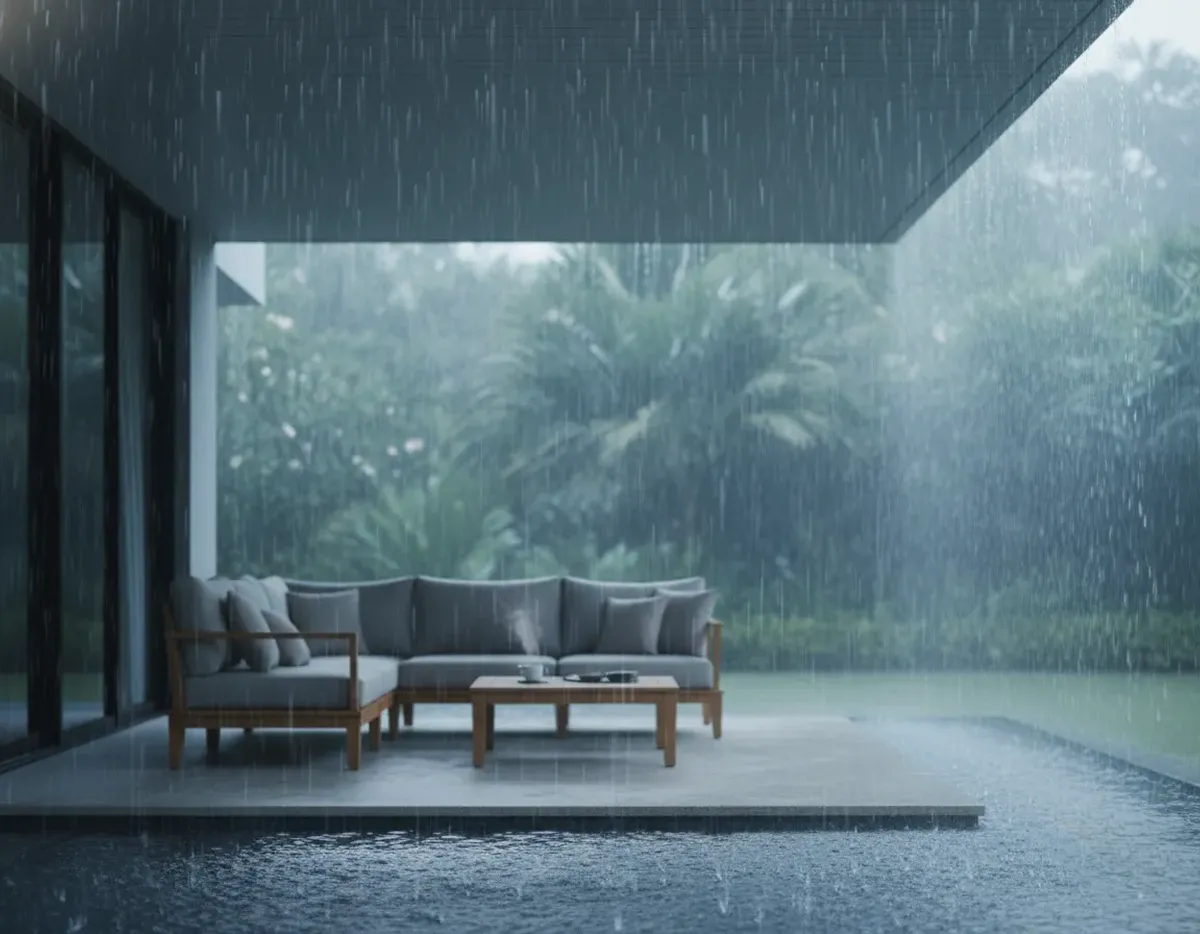
- During a normal rain: The water hits the vinyl coating and rolls right off. As long as your awning is tilted properly, the rain stays out.
- In a massive storm: If we get one of those crazy Singaporean downpours, a tiny bit of mist might come through the weave.
- The Big Benefit: Because air can move through the fabric, you don't get that "trapped heat" feeling. This is a sign of a highest-quality product because it solves the user's problem of heat and rain at the same time.
Why "Phifer Fabric" is Better Than Regular "Mesh"
A lot of people use the word "mesh" to describe any screen-like material, but in the awning world, that's like calling a sports car a "buggy." High-quality information should be accurate to help people make the right choice.
Cheap mesh materials often "stretch" or "shrink" when they get hot and cold. This is bad news for a retractable system. When the fabric loses its shape, it starts causing mechanical nightmares. By using a stable material like Phifer, you are preventing fraying, jamming, and rattling.
- Fraying: The edges of Phifer are "locked" during making, so they don't unravel.
- Jamming: Because it doesn't stretch out of shape, it rolls up perfectly straight every time.
- Rattling: A stable fabric stays tight in its tracks, so it doesn't flap around and make noise when a breeze kicks up.
We avoid using words like "sag" or "smiley face" because those only happen when someone uses low-quality materials or does a bad job with the installation. A high-quality setup should stay flat and functional.
Getting the Installation Right
Even the best fabric on Earth won't help you if it's put up wrong. To ensure your setup is safe and achieves its purpose very well, you need to work with experts.
You should reach out to a professional retractable awning contractor. They know exactly how to mount the brackets so they don't pull out of your wall when the wind picks up. They also make sure the fabric has the right "pitch" (angle) so the rain flows off instead of forming a heavy puddle on top.
Sometimes, your awning needs to be attached to your roof or a specific part of your building's frame. This is where a roofing contractor comes in. It’s a smart move because roofing contractors ensure your roof stays leak-proof while maximizing solar energy savings. They make sure that adding an awning doesn't accidentally cause a leak in your roof during the next big storm. If a product or service is misleading or causes harm, it would be considered low quality. Hiring pros ensures your home stays safe.
How to Keep It Looking New
Reliable information should also tell you how to look after what you buy. Luckily, because Phifer Fabric has that vinyl coating, it’s one of the easiest materials to maintain.
- Rinse it off: Every few months, give it a quick spray with a garden hose to get the dust and city grime off.
- Soap and Water: If there’s a stubborn bird dropping or dirt mark, a soft brush and some mild dish soap will do the trick.
- The Humidity Hack: Singapore is humid. High-quality Phifer fabrics often come with built-in protection that stops mold and mildew from growing. This is a huge "Needs Met" win for anyone living in the tropics.
- Dry it out: If it gets soaked in a storm, try to let it dry out before you roll it back up for a long time. This keeps everything smelling fresh and prevents any gunk from building up inside the mechanism.
The Bottom Line
When you're looking for an awning, you want something that represents a "good experience". You want the shade to stay cool, the rain to stay out, and the machine to work without making a racket.
By choosing SheerWeave Phifer Fabric, you're getting a material that was designed for exactly this purpose. It blocks the sun like a pro, handles the rain like a champ, and won't fall apart on you. Combine that with a solid retractable awning contractor and a quick check from a roofing contractor, and you’ve got a setup that is safe, reliable, and honestly, just a great addition to your home.
No more "ovens," no more "showers"—just a nice, cool balcony where you can actually enjoy your coffee.