Heat Reduction Performance: Awnings vs. Polycarbonate Roofs
In Singapore’s tropical environment, the primary goal of any outdoor structure is to manage solar heat and provide a comfortable living space. Providing helpful, relevant, and reliable information on this topic is essential to ensure that homeowners make a choice that achieves its purpose well. When evaluating whether an awning or a fixed polycarbonate roof is better for heat reduction, we must examine the technical differences in how these systems handle solar radiation and airflow.
A high-quality assessment of these materials identifies information that people are likely to find useful for their specific building needs. The intent of this guide is to satisfy the user's need for a durable, effective cooling solution by comparing the thermal characteristics of both options.
The Greenhouse Effect in Polycarbonate Roofs
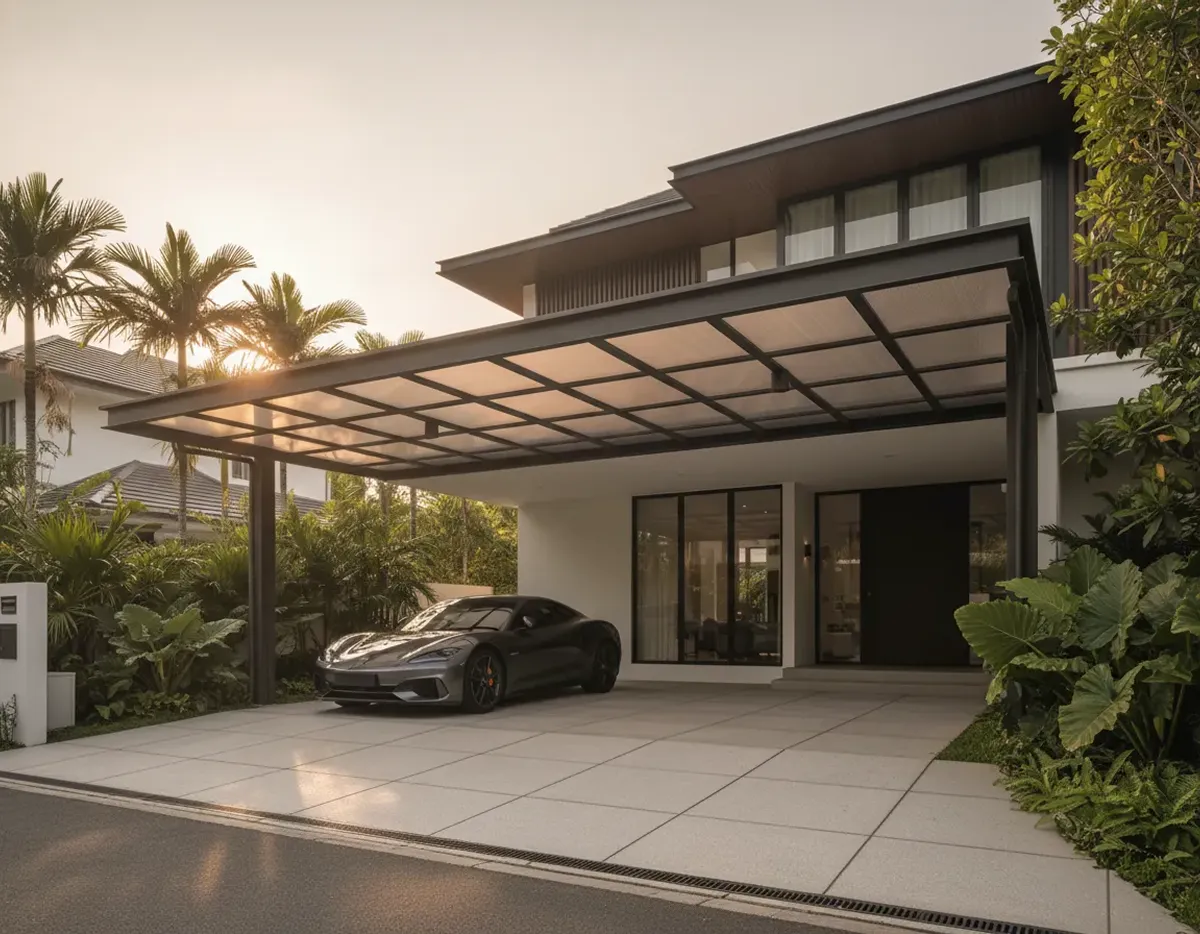
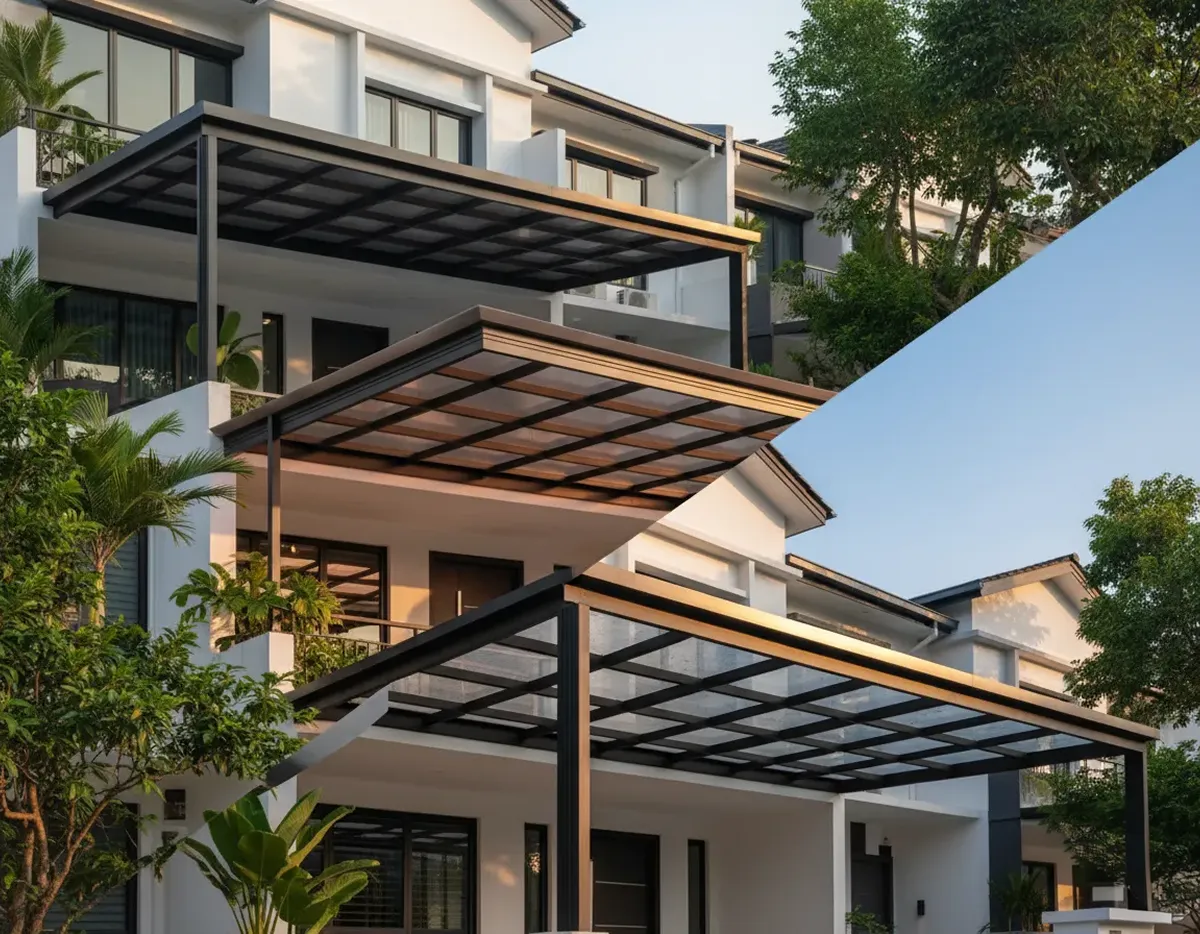
Polycarbonate is a popular material for fixed roofing because it is lightweight and provides a clear or tinted view of the sky. However, its performance in heat reduction is often limited by its physical structure as a solid barrier.
Heat Accumulation and Radiation
A solid polycarbonate sheet, even with UV-resistant coatings, acts as a thermal trap. While it blocks the majority of UV rays, it allows a significant portion of infrared radiation (heat) to pass through. Once this heat enters the area under the roof—such as a balcony or patio—it has no easy way to escape. This creates a localized greenhouse effect where the temperature under the roof remains higher than the surrounding ambient temperature.
Lack of Ventilation
Because a fixed polycarbonate roof is a permanent, solid structure, it prevents vertical air movement. In Singapore's high humidity, stagnant air increases the perceived temperature. Unless the space is completely open on all sides with high wind speeds, the heat trapped under the solid roof will radiate back onto the floor and walls of the property. For those looking for a solution that achieves its purpose of cooling very well, the solid nature of polycarbonate can be a disadvantage.
Solar Control with SheerWeave Phifer Fabric
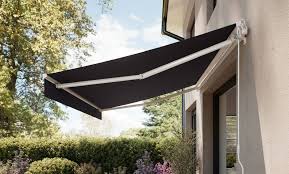
Retractable awnings equipped with high-performance materials like SheerWeave Phifer Fabric provide a different technical approach to cooling. This material is an architectural-grade solar control fabric engineered specifically to block heat before it reaches the building.
Solar Heat Gain Reduction
The primary benefit of using Phifer fabric is its ability to reflect solar radiation. Unlike solid plastic sheets, Phifer fabric is woven with a specific openness factor. This design allows the fabric to absorb and reflect heat outside the living space. By blocking the sun’s rays before they hit your glass doors or windows, the awning reduces the overall solar heat gain of the interior rooms.
Breathability and Airflow
The woven structure of Phifer fabric is a critical component for heat reduction. Because it is a breathable material, it allows hot air to rise and pass through the fabric. This natural ventilation prevents the accumulation of heat that occurs under solid roofs. Providing a solution that effectively manages both shade and air circulation is a hallmark of a highest-quality installation.
Technical Comparison of Materials
To determine the most reliable option for your home, it is necessary to look at how each material performs over time in a tropical climate. High-quality information on material durability helps ensure the final result is trustworthy.
Polycarbonate Durability
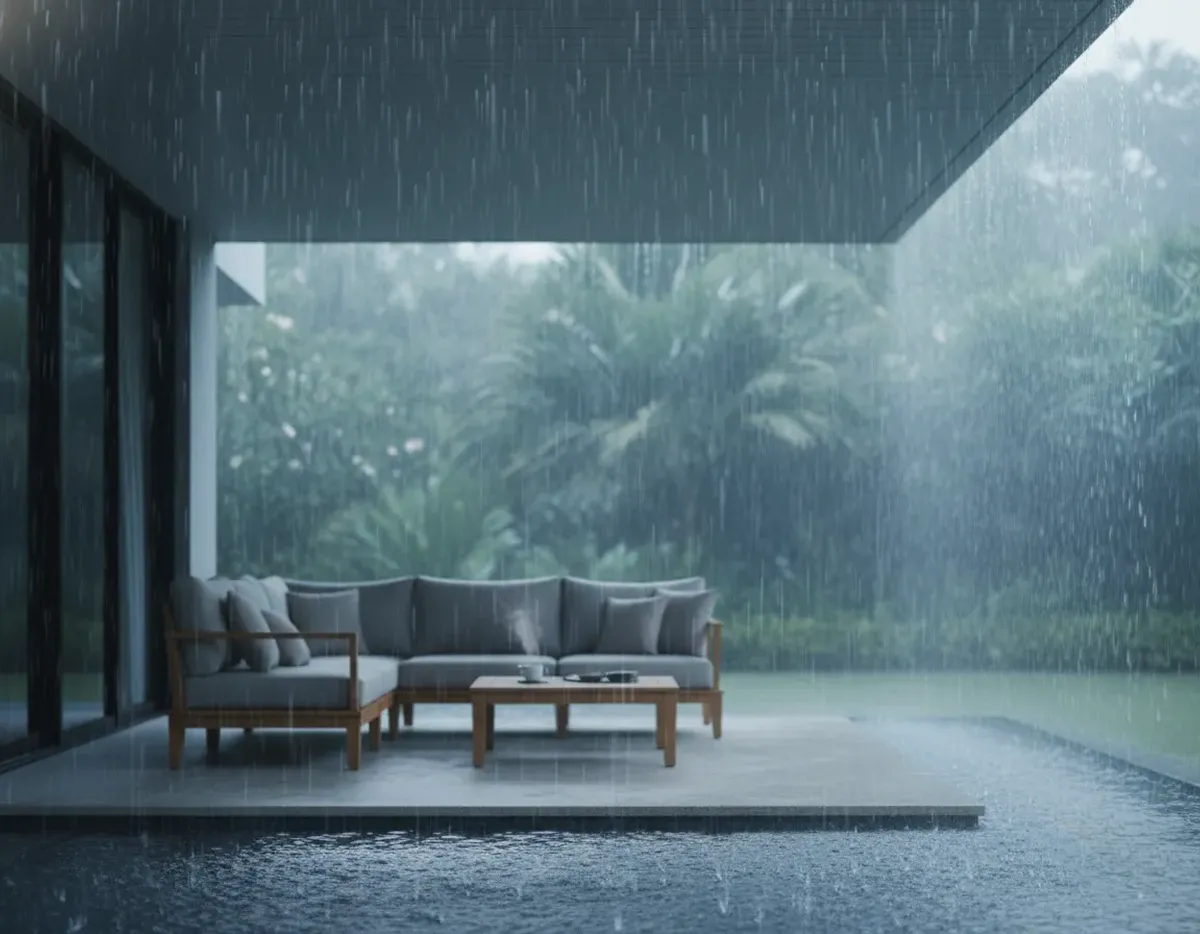
Over time, polycarbonate sheets can become brittle due to constant sun exposure. They are also prone to thermal expansion and contraction, which can lead to leaks at the joining points. Furthermore, during heavy Singaporean rainstorms, solid roofs can be significantly louder than fabric alternatives, which may affect the overall experience of the user.
Phifer Fabric Durability
Phifer fabric is designed to resist environmental degradation. It is dimensionally stable, meaning it does not stretch or warp under the intense heat. This stability is essential for preventing fraying, jamming, and rattling in retractable systems. A high-quality fabric that maintains its shape ensures the system continues to serve its beneficial purpose for many years.
Flexibility and Intent: Fixed vs. Retractable
The purpose of the installation often dictates which system is more helpful. For some, a fixed roof is necessary for constant rain protection, but for heat reduction, the flexibility of an awning is superior.
Managing Different Weather Conditions
A retractable awning allows you to deploy shade only when the sun is at its peak. During the evening or on cooler, overcast days, you can retract the system to allow natural light and air into your home. This adaptability ensures that the installation meets the user's intent throughout the day.
Maintenance and Structural Health
A system that is difficult to maintain or that causes damage to the building would receive a lower quality rating in terms of reliability. Fixed polycarbonate roofs require regular cleaning to prevent moss and dirt from blocking the light and making the roof look unappealing. Retractable awnings, while requiring mechanical maintenance, are often easier to keep clean because the fabric is protected inside a cassette when retracted.
Professional Installation and Safety
Ensuring that any outdoor structure is safe and reliable requires professional oversight. An installation that is harmful to the property or residents would be considered the lowest quality.
The Role of Specialists
When installing a retractable system, it is vital to work with a professional retractable awning contractor. They have the expertise to ensure the mounting brackets are secure and that the system is calibrated to handle local wind loads. They will also ensure the pitch is correct to prevent water from pooling on the fabric.
For larger structural additions or if you are mounting a system to the roofline, a roofing contractor should be consulted. Roofing contractors ensure your roof stays leak-proof while maximizing solar energy savings, and they can verify that the additional weight of a roof or awning does not compromise the structural integrity of your home. Seeking advice from an authoritative roofing contractor is the most reliable way to protect your building.
Conclusion: Which is Better for Heat?
For the specific purpose of heat reduction, an awning with Phifer fabric is the superior choice. Its ability to block solar radiation while maintaining airflow prevents the thermal traps common with fixed polycarbonate roofs. By choosing a system that allows for natural ventilation, you ensure that your outdoor space remains comfortable and functional.
A high-quality installation involves selecting the right materials and the right professionals to ensure the project achieves its purpose very well. By focusing on technical performance and reliability, you can create a shading solution that adds long-term value to your Singapore property.