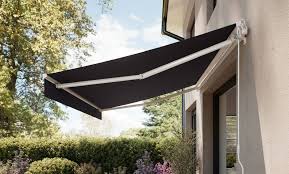
Why Act Quickly
Bird droppings contain uric acid — a mildly acidic compound that bonds to awning fabric coatings within hours of exposure, especially in Singapore's heat. The longer droppings sit on the fabric, the deeper the acid penetrates the waterproof coating, causing permanent staining and reduced water repellency over time. Fresh droppings take minutes to clean. Droppings left for days require significantly more effort and may leave a permanent mark.
What You Need
Before starting, gather a plastic scraper, soft-bristled brush, mild dish soap, clean warm water, a garden hose, and nitrile gloves. For stubborn stains, white vinegar diluted 1:4 with water works well. Avoid bleach entirely — it strips colour from awning fabric permanently.
Step 1: Rehydrate the Dropping
Never scrape a dry dropping — dragging hardened uric acid crystals across the fabric scratches and damages the waterproof coating. Instead, soak the area with warm water and leave it for 10 minutes until the deposit softens back to a paste-like consistency. In Singapore's heat a second application at the 5-minute mark helps maintain the effect.
Step 2: Remove the Bulk
Using a plastic scraper held at a shallow angle, gently lift the softened deposit away from the fabric surface with light strokes. Collect the removed material in a bag rather than letting it fall and dry below. Multiple gentle passes are better than one heavy scrape — the goal is lifting the material off the fabric, not pushing it deeper into the weave.
Step 3: Apply Cleaning Solution
Mix a small amount of mild dish soap into a litre of warm water and apply it generously to the stained area. This mildly alkaline solution neutralises the residual uric acid left in the fabric. For older or more stubborn stains, apply a 1:4 dilution of white vinegar first, leave for 10 minutes, then follow with the soap solution.
Step 4: Scrub Gently
Work the solution into the fabric with a soft brush, scrubbing along the weave direction rather than in circles. Circular scrubbing distorts the fabric weave and creates a patch of altered texture visible in direct light. Moderate pressure for 10 to 15 passes along and across the weave is sufficient. Leave the solution to dwell for a further 5 minutes after scrubbing.
Step 5: Rinse Thoroughly
Rinse with a garden hose held about 30cm from the fabric surface at low pressure, moving continuously until the water runs completely clear with no suds. Never use a pressure washer — even at low settings it damages the waterproof coating and forces water into seams where mould develops quickly in Singapore's humidity.
Step 6: Dry Fully Before Retracting
Leave the awning fully extended until the fabric is completely dry — typically two to four hours in Singapore's sun and airflow. Retracting a damp fabric awning even partially creates conditions for mould growth inside the rolled fabric within 24 to 48 hours.
Restoring Water Repellency
If after cleaning water spreads and soaks into the fabric rather than beading and rolling off, the waterproof coating needs restoring. Apply a spray-on fabric waterproofing product such as Grangers Performance Repel to the clean dry fabric and activate it with a warm iron over a protective cloth — the heat bonds the coating back into the fabric surface and restores water repellency close to its original level.