Every rainy season, Singapore homeowners face the same problem: a calm roof in the morning but leaks and stains after the afternoon storm. If you’ve ever patched a ceiling only to see it return, the real culprit isn’t age — it’s the climate.
In this article, you’ll discover exactly how Singapore’s tropical weather wears down your roof over time, the key warning signs to watch for, and the practical fixes that keep minor issues from becoming expensive disasters.
Why Singapore’s Climate Is Especially Tough on Your Roof
Singapore’s weather is not mild — it’s relentless.
Here’s how each element wears away at your roof:
☀️ 1. Scorching Heat & UV Exposure
Singapore sees intense sunshine year-round. This means:
- Roofing materials expand from heat and constrict at night → cracks and splits form.
- UV rays dry out protective coatings → materials weaken faster.
This heat cycle dramatically shortens the lifespan of both traditional tiles and lightweight roofing panels compared with cooler climates.
Result: Early cracking, hidden damage, and faded surfaces.
🌧 2. Sudden Heavy Rainfall
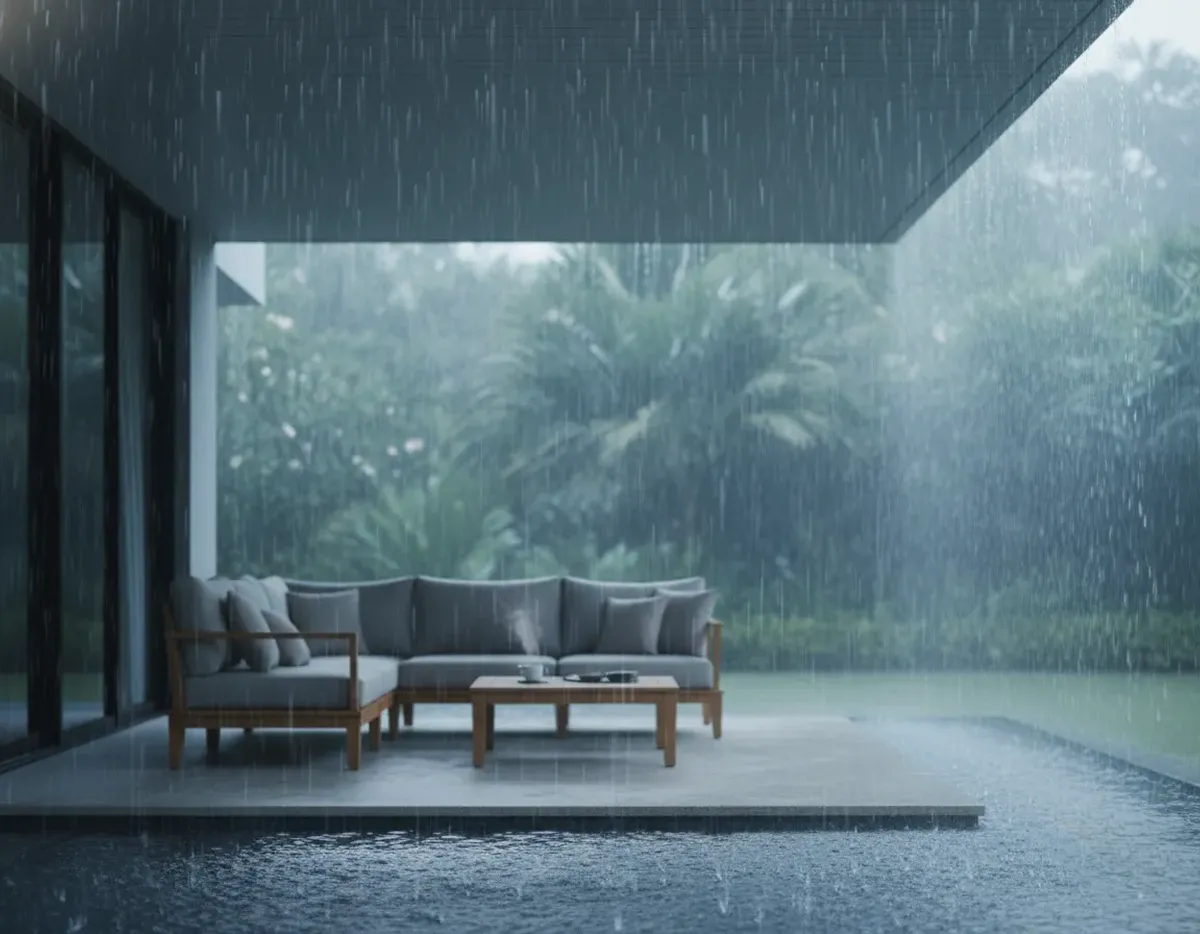
Those afternoon downpours hit hard — and fast. Heavy rain can:
- Overwhelm gutters and drains
- Pool on low-sloped roof sections
- Force water under shingles or panels
Without proper roof drainage and flashing, you can end up with persistent leaks and water stains inside your home.
💧 3. Year-Round Humidity
Humidity in Singapore is constantly high. This encourages:
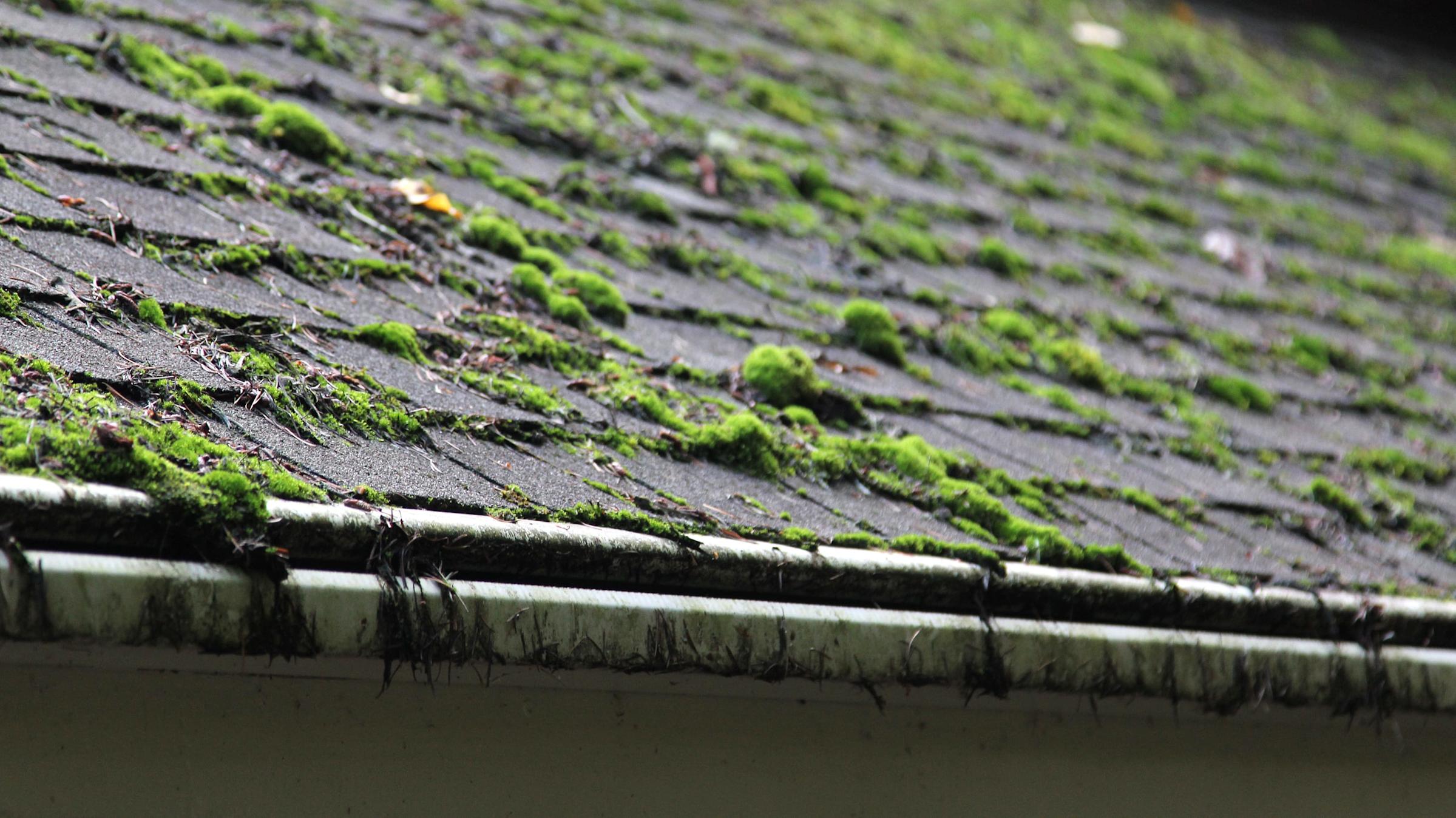
- Moss, algae, and mould growth
- Trapped moisture beneath roofing layers
- Deterioration of wooden, PVC, or metal components
Moisture coupled with heat accelerates material breakdown far faster than dry climates.
Pro Tip: Humid weather amplifies hidden issues — tiny gaps become major leaks under pressure.
How Singapore’s Climate Affects Common Roof Types
Different roofs react differently:
🏠 Polycarbonate Roofing
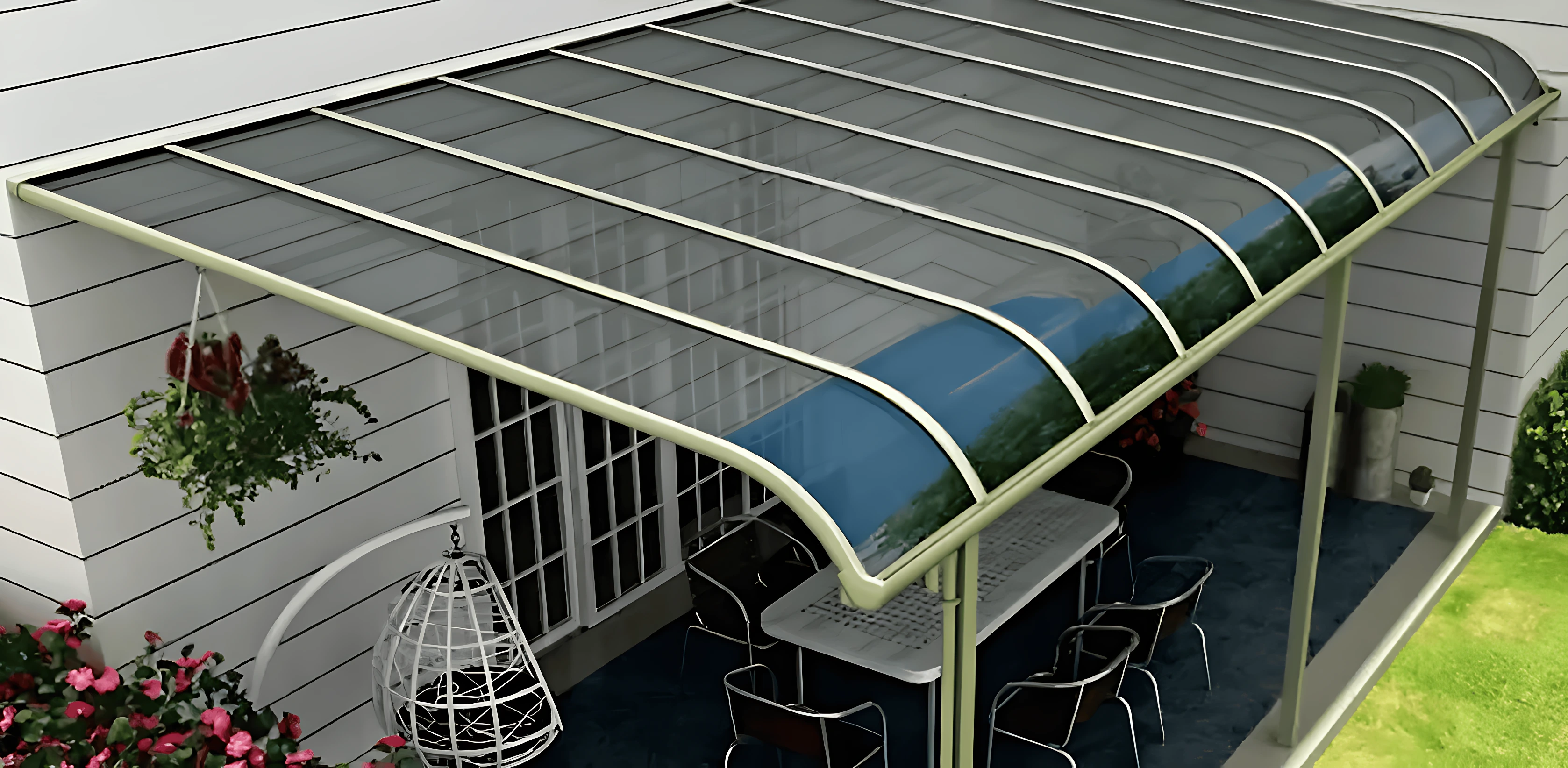
Polycarbonate roofs are popular for patios and skylights. They allow light, but:
- Thin panels can warp under heat
- Rain noise can be louder if unsupported
- UV exposure can cause yellowing without UV-stabilisation
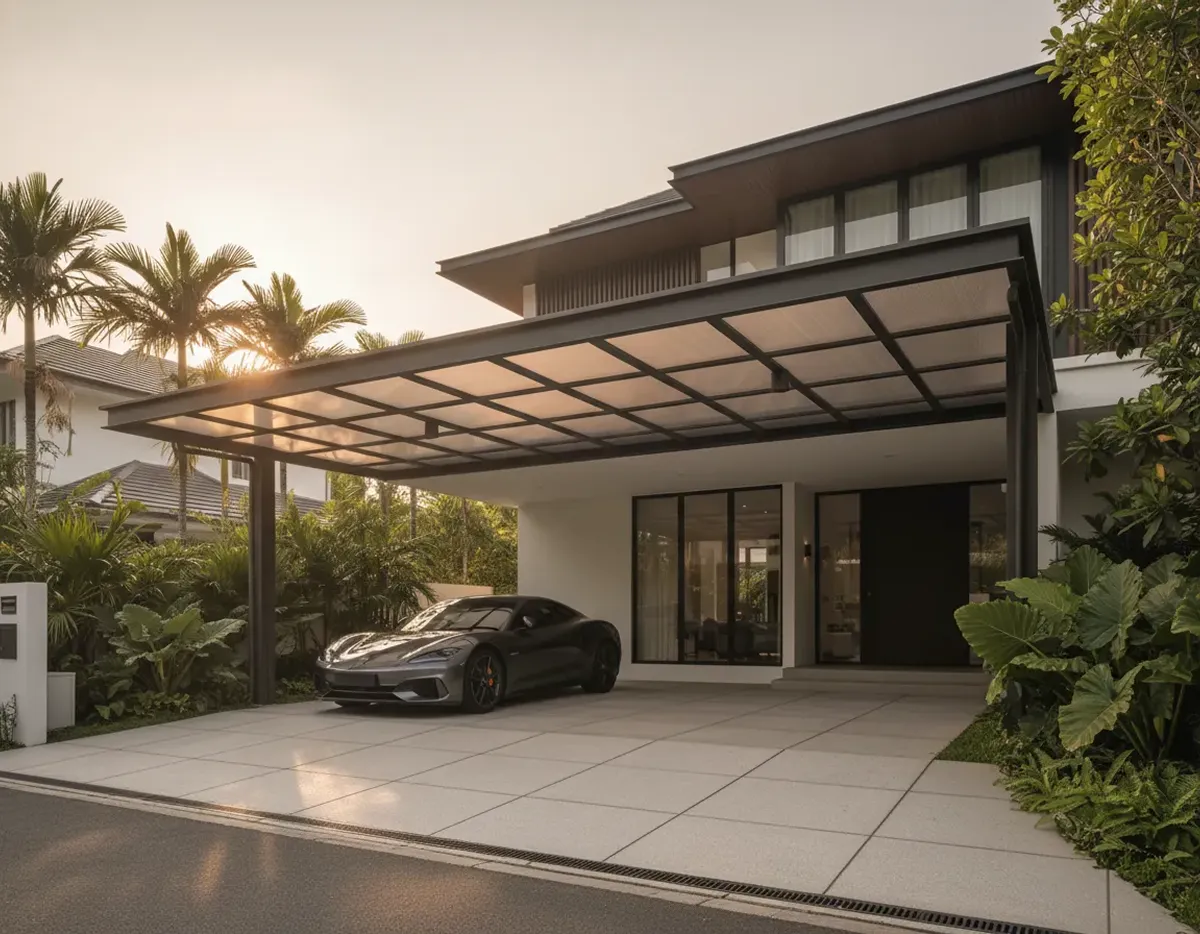
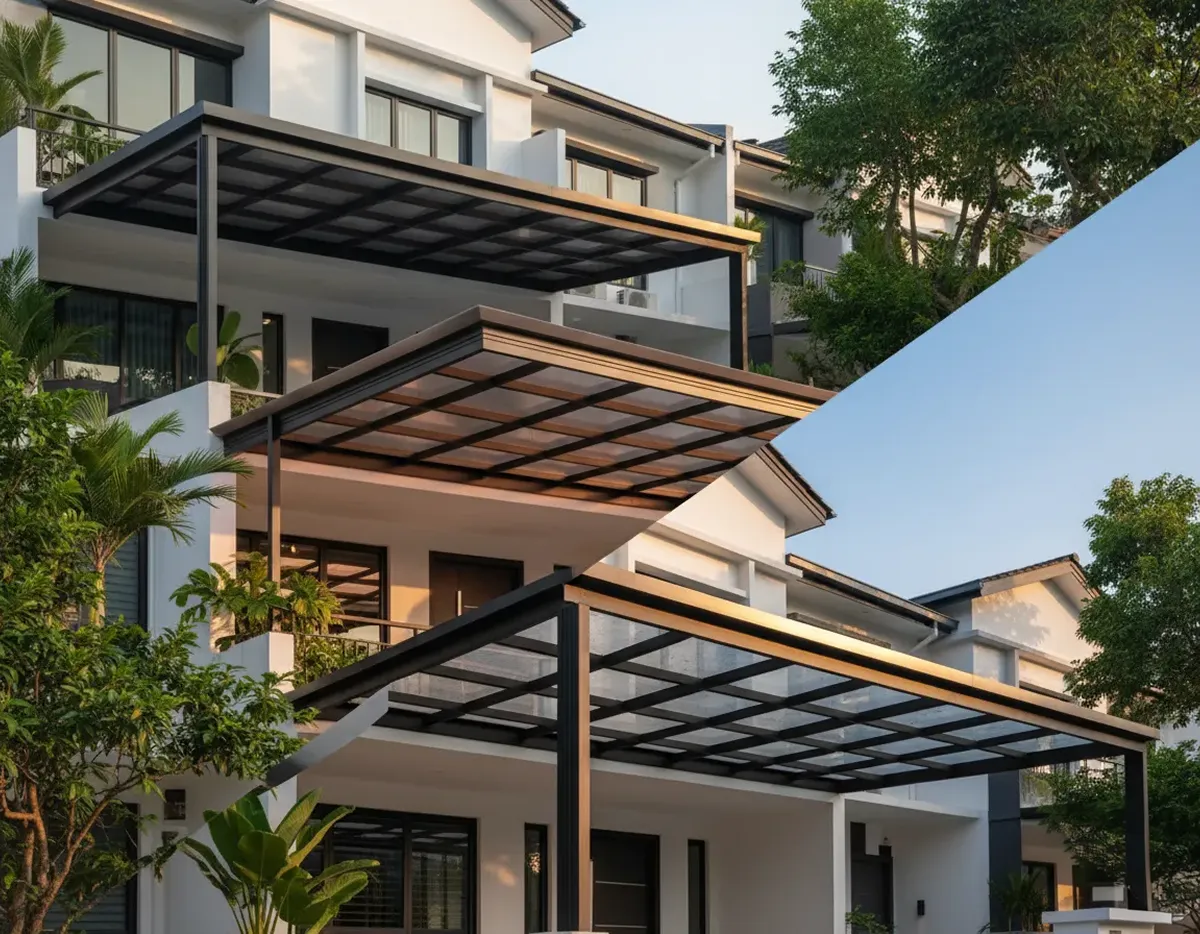
Ruufer uses UV-stabilised polycarbonate panels that resist yellowing and heat for longer performance.
🛠 Aluminium Composite Panel (ACP) Roofing
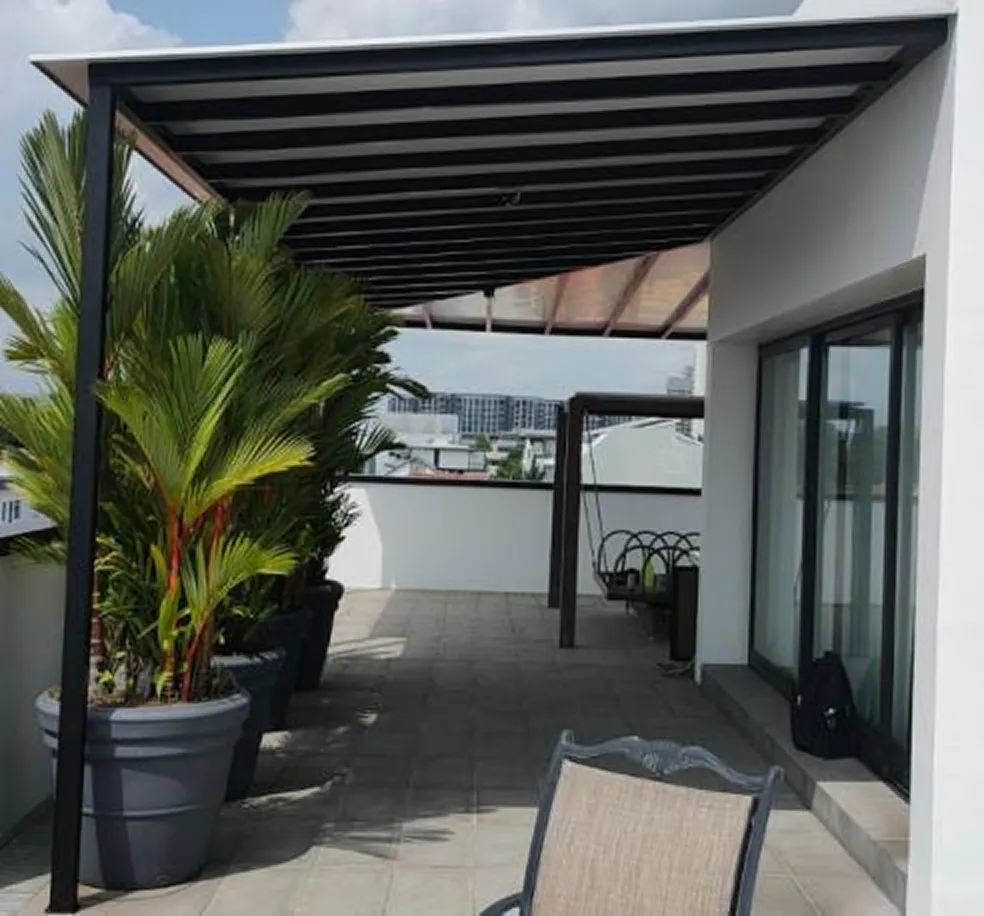
ACP roofs are opaque and durable, keeping areas cooler. Unlike plastics, they:
- Reflect heat
- Resist yellowing
- Stand up against rain impact
These are especially good for carports and verandahs.
🏡 Metal Roofing & Other Materials
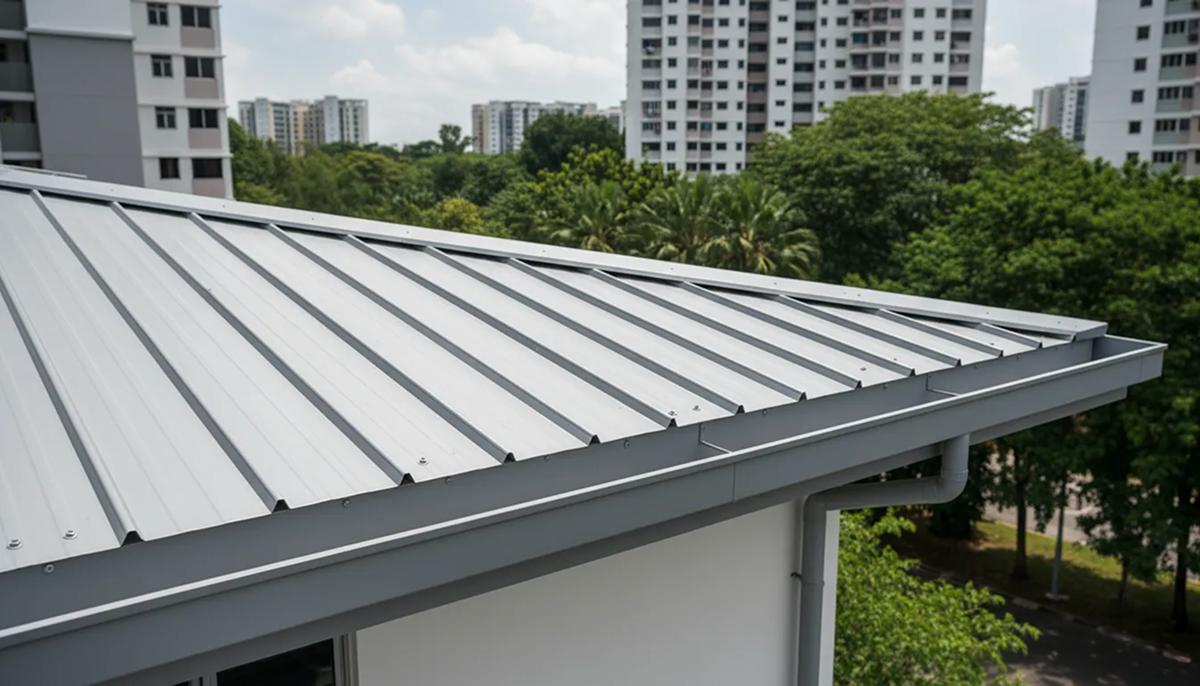
While not every roofing job is metal, many modern roofs benefit from:
- Metal panels that reflect heat and resist moisture
- Proper sealing that prevents leaks before they start
Whatever the choice, material quality and installation precision matter.
Top Signs Your Roof Is Being Damaged by Weather
You don’t have to wait for leaks. Some early clues include:
- Discoloured ceilings after rain
- Cracks or splits in roof tiles or panels
- Gutters overflowing or sagging
- Moss or green patches on roof surface
- Unusual heat trapped in attic or under roof
Early detection lets you fix the issue before it turns into a costly problem.
Practical Roof Protection Tips for Singapore Homes
These are the most effective and actionable steps homeowners can take:
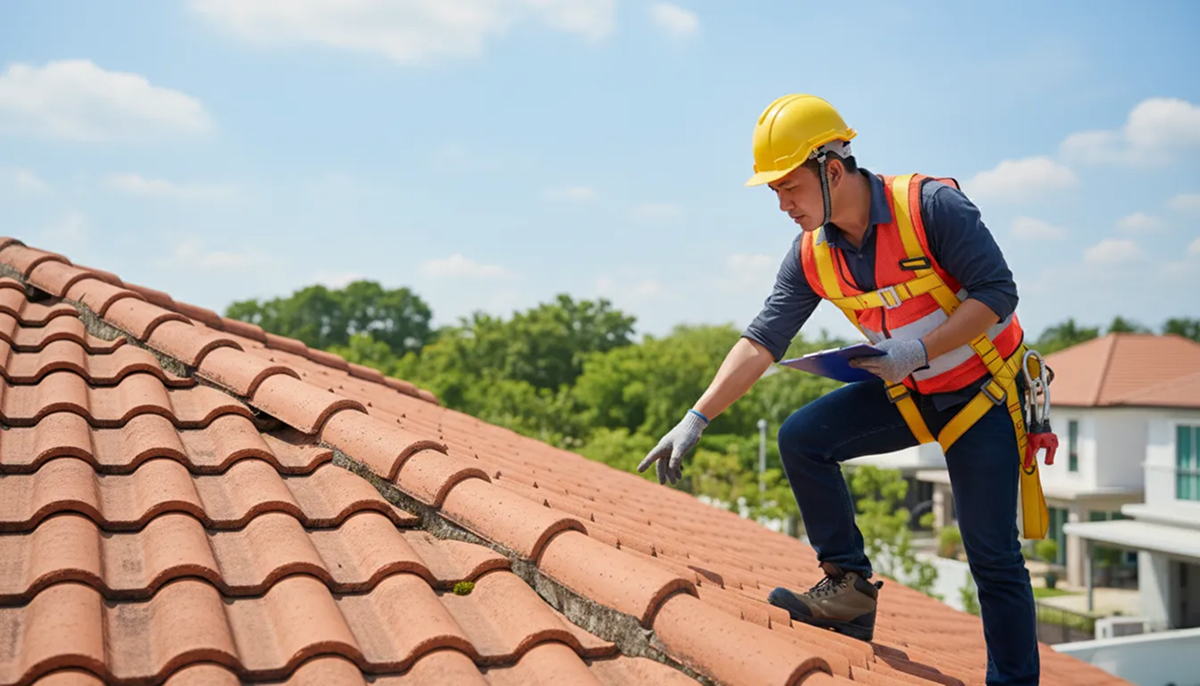
🧰 1. Schedule Regular Roof Inspections
A thorough bi-annual check — ideally before and after monsoon seasons — can catch:
- Loose tiles
- Rusted fixings
- Faulty gutters
- Damaged flashing
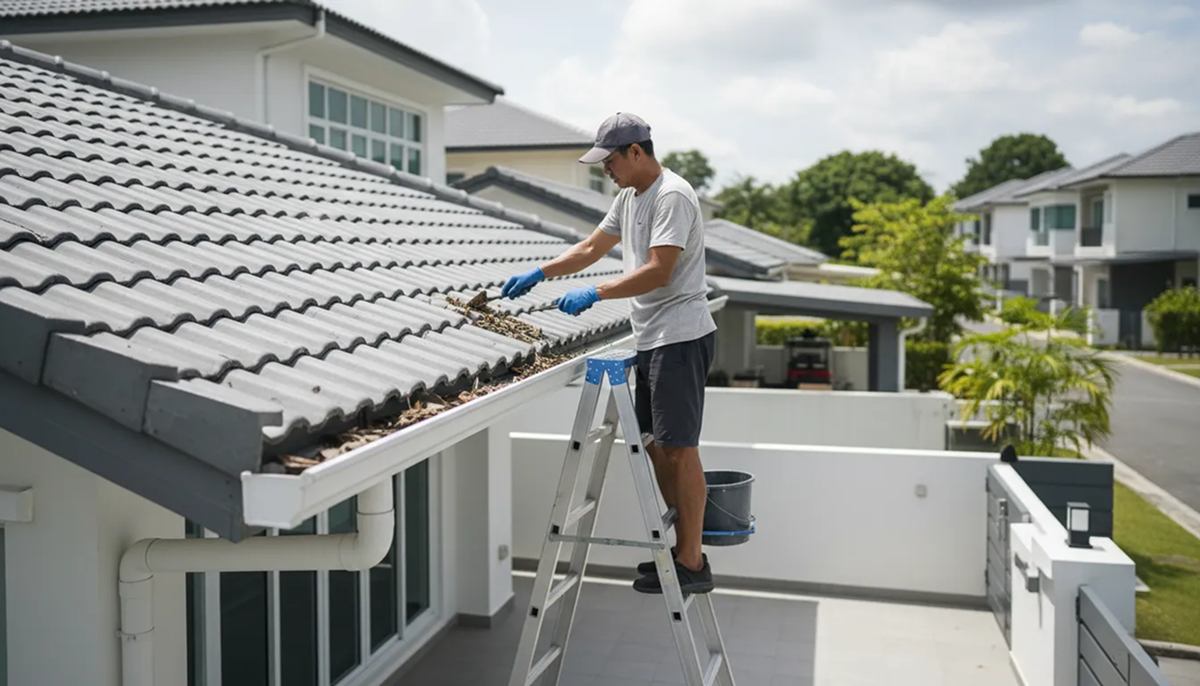
🧹 2. Clean & Maintain Gutters
Clogged gutters lead to water overflow, which can:
- Leak under shingles
- Damage fascia boards
- Cause internal water marks
🌿 3. Manage Vegetation Around Your Roof
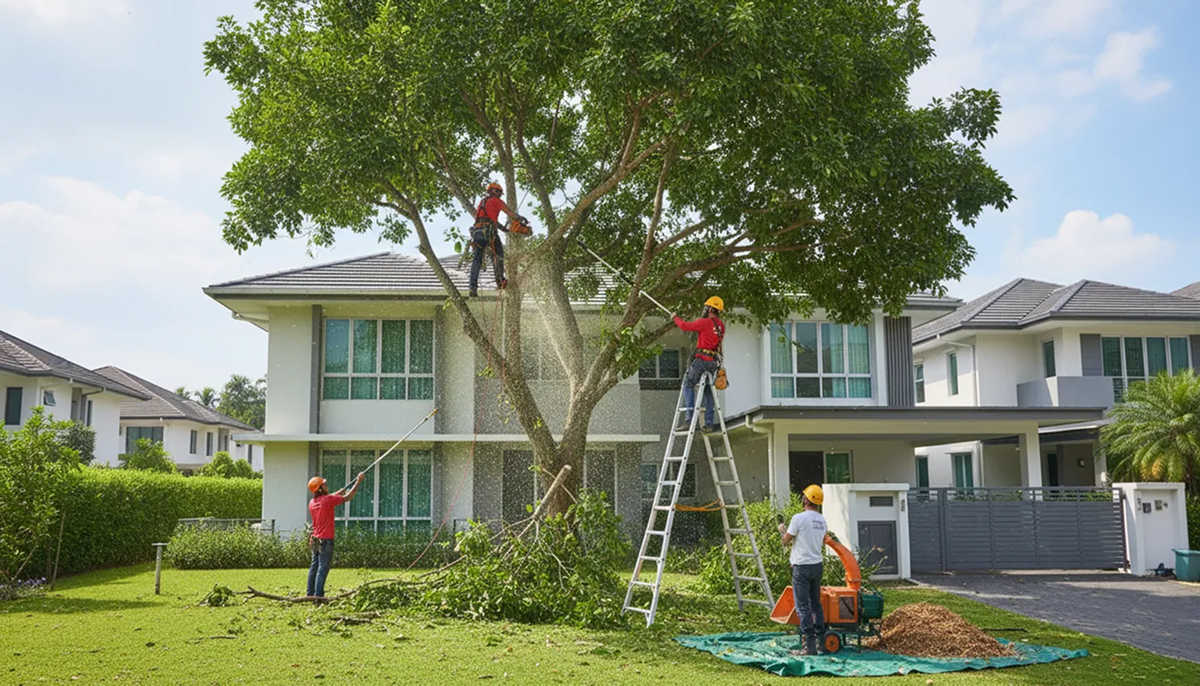
Trees may look great — until:
- Branches break into panels
- Leaves clog drains
- Moisture gets trapped
Trim branches at least 1–2 m from roof edges.
🌀 4. Improve Ventilation & Insulation
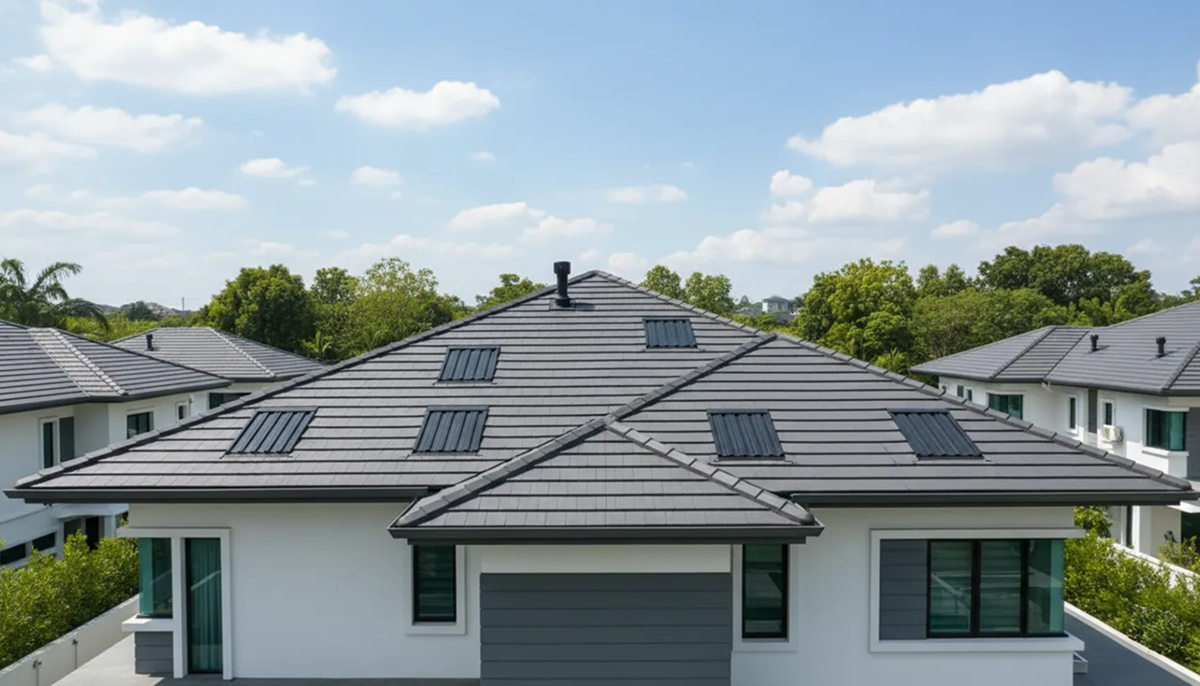
Good airflow reduces heat and moisture buildup, especially in attic spaces.
When It’s Time to Call the Roof Professionals
Some problems are best left to trained experts — and that’s okay.
You should contact a professional when:
- You see persistent leaks after multiple rains
- Roof materials show visible deterioration
- Your roof is over 10–15 years old
- You want a material upgrade for heat resistance
- You’re planning a new installation or replacement
At this stage, professional service not only solves your issue but also extends your roof’s life.
How Ruufer’s Expertise Helps Singapore Roofs Last Longer
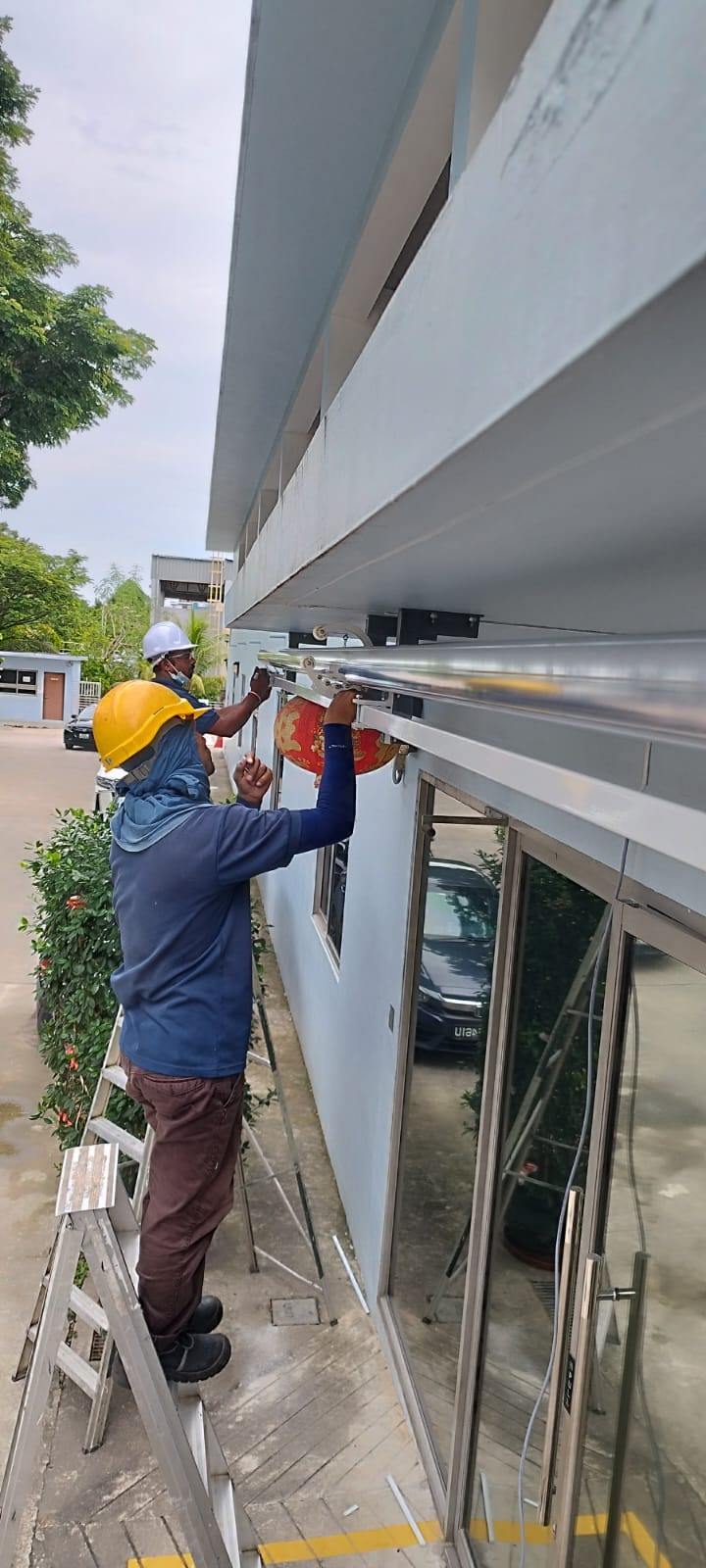
Ruufer has been serving Singapore homes for decades, offering tailored roofing solutions built for this climate. Their services include:
✔ Retractable Roof & Awnings
Ideal for flexible outdoor living spaces.
✔ Polycarbonate & ACP Roofing
Light-weight or solid, depending on your needs.
✔ Repair & Replacement Services
Fix leaks, worn materials, or full roof upgrades.
✔ Custom Solutions & Ongoing Care
From site survey to installation and maintenance plans.
Conclusion — Don’t Let Singapore’s Climate Win
Singapore’s weather doesn’t wait — so neither should your roof care.
By understanding how tropical heat, humidity, and rain affect your roof and acting before problems escalate, you protect:
- Your home
- Your comfort
- Your savings
And when the weather gets rough, your roof stays strong.