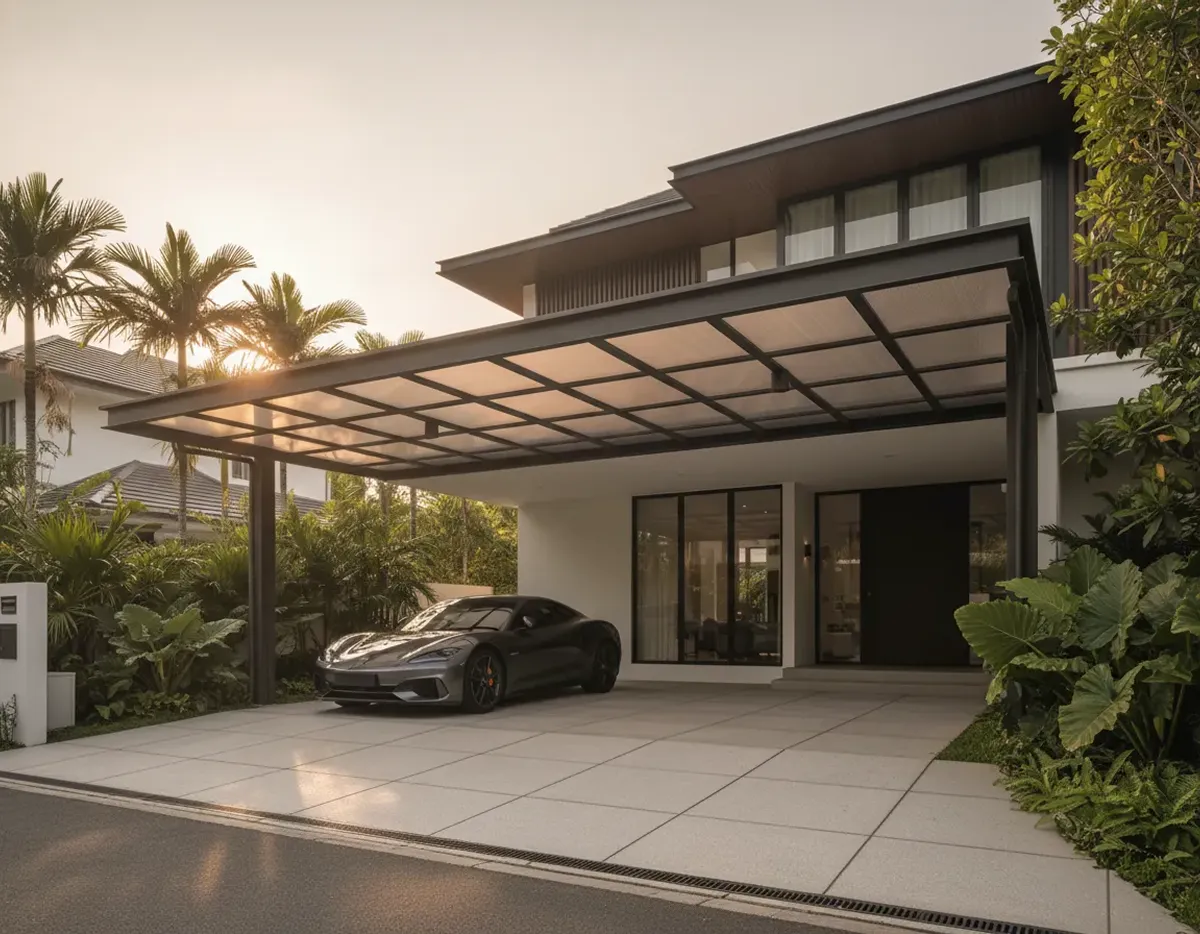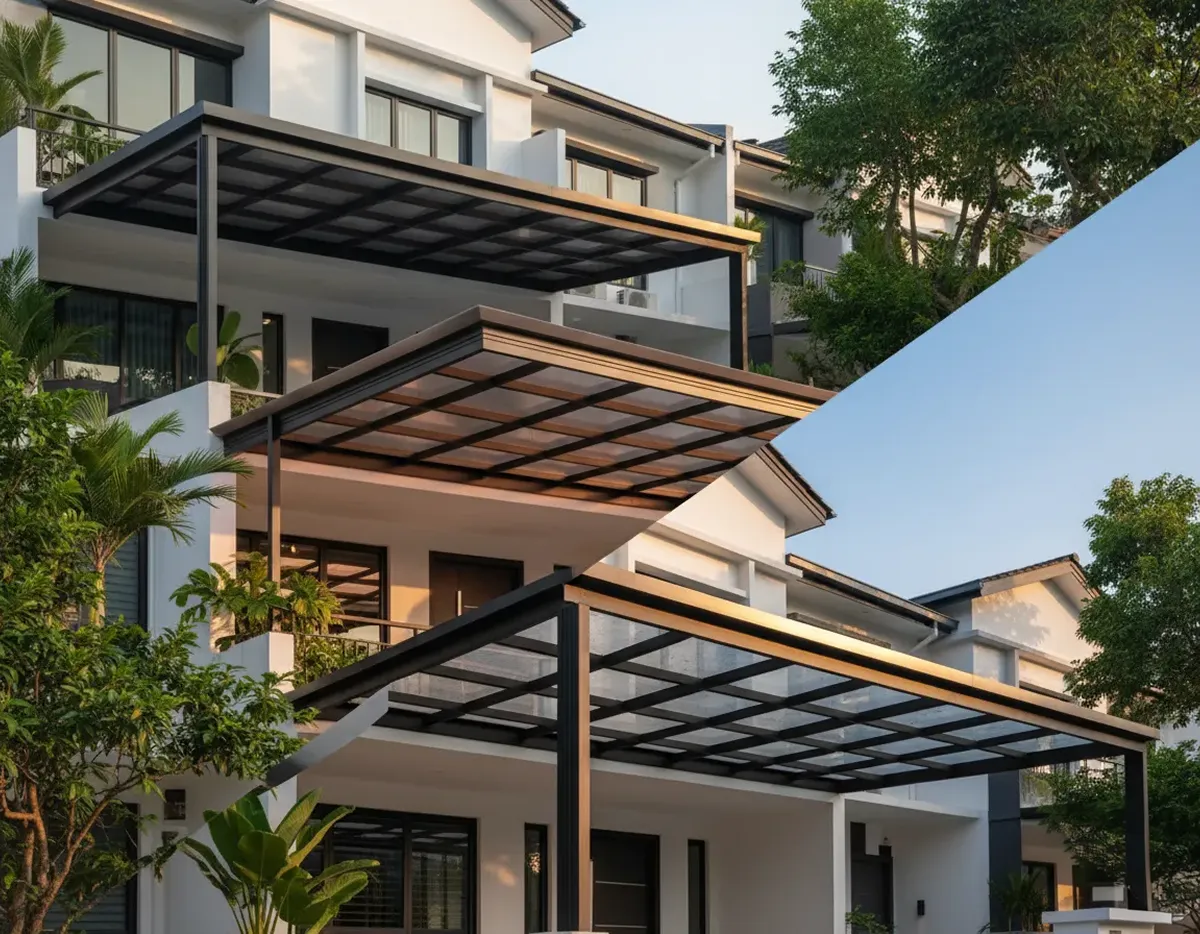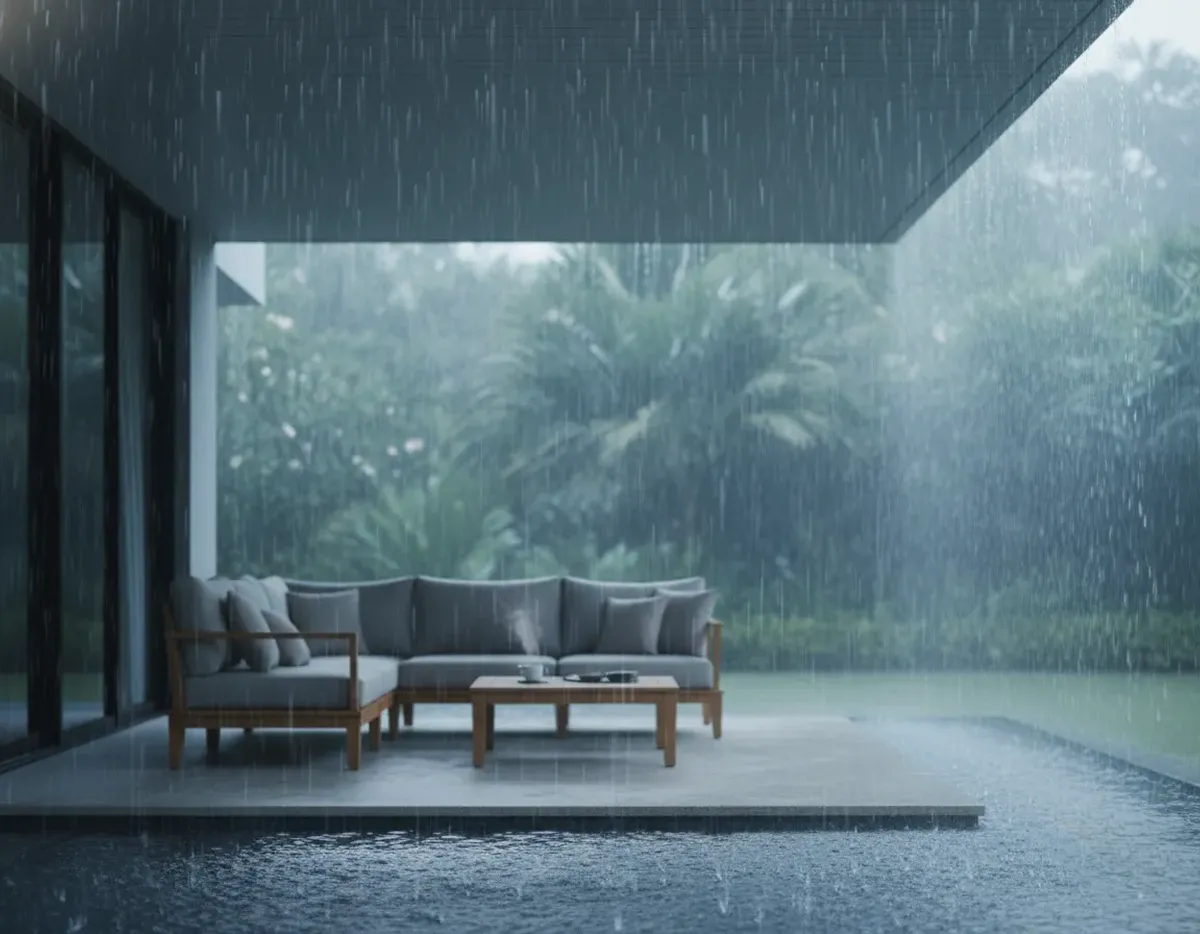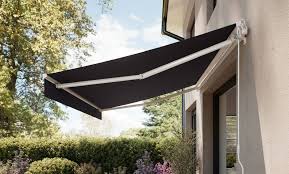
When installing a retractable shading system in Singapore, the angle of the slope, technically known as the "pitch," is the most critical factor for operational safety during rain. A high-quality installation must achieve its purpose by providing reliable protection. For an awning to function correctly in our tropical climate, the industry standard is a minimum pitch of 15 degrees.
Why 15 Degrees is the Technical Standard
The primary intent of a search for pitch requirements is to ensure the structural integrity of the home. In Singapore, rainfall is often heavy and sudden. If an awning is too flat, water cannot flow off the surface fast enough. Instead, it accumulates in the center of the fabric. This is known as "pooling."
Water is surprisingly heavy; just a few centimeters of pooled water can exert hundreds of kilograms of force on the frame and the wall mounting. A pitch of 15 degrees translates to a vertical drop of approximately 25cm for every 1 meter of horizontal projection. For example, if your awning extends 3 meters out from the wall, the front bar should be at least 75cm lower than the mounting height on the wall. This ensures that gravity effectively clears the water, satisfying the user's need for a safe and durable product.
The Role of Fabric Quality in Water Runoff
Using a premium material like Phifer Fabric significantly improves the system's performance. Because this fabric is made of vinyl-coated fiberglass or polyester, it has high dimensional stability. It does not stretch easily under the weight of light rain. Lower-quality materials that stretch will create "pockets" where water can sit, even if the pitch is correct.
By maintaining its shape, Phifer Fabric ensures that the water-resistant coating can do its job, allowing rain to bead and roll off. This stability is also essential for preventing fraying, jamming, and rattling. When the fabric remains taut and correctly aligned, it prevents the edges from fraying and ensures the material rolls into the cassette without jamming the motor or rattling in the side tracks during wind.
Structural Safety and Professional Installation
The reliability of an installation depends on the expertise of the people performing the work. If the pitch is too shallow, the weight of pooled water can cause the mounting brackets to pull away from the building, which is a harmful outcome.
A specialized retractable awning contrator will calculate the ideal pitch based on the mounting height available on your facade. In some cases, if the mounting point is too low, the contractor may need to use specialized brackets to achieve the 15-degree slope while still maintaining enough "headroom" for people to walk under the front bar.
Furthermore, it is important to consider how the awning interacts with the rest of your building's exterior. A professional roofing contractor understands that the weight and water runoff from an awning can impact the waterproofing of your walls or roofline. Roofing contractors ensure your roof stays leak-proof while maximizing solar energy savings, and they can verify that your gutters or drainage systems can handle the concentrated runoff from a large awning surface.
Conclusion
Setting the pitch at a minimum of 15 degrees is the only way to ensure that your shading system is helpful, relevant, and reliable for Singapore’s weather. It protects the frame from unnecessary stress and prevents the fabric from becoming a hazard. By using high-quality components and expert installers, you ensure that your installation serves a beneficial purpose for many years.
Does your current mounting height allow for a 25cm drop per meter of extension while still leaving enough clearance to walk under the front bar?