Balconies are one of the most valued spaces in Singapore homes and commercial units. They bring in natural light, fresh air and a sense of openness. However, Singapore’s sudden rainstorms and strong sun can make balconies uncomfortable without some form of shelter.
The challenge is designing a balcony shelter that protects against rain and heat without blocking your view or natural airflow. With the right materials and layout, it’s possible to keep the space bright, breezy and usable year-round.
This guide explores practical shelter options commonly used in roofing Singapore projects and how to design them properly for the local climate.
Why Balcony Shelter Design Matters in Singapore
Singapore’s climate creates several challenges for outdoor balcony spaces.
Frequent Heavy Rain
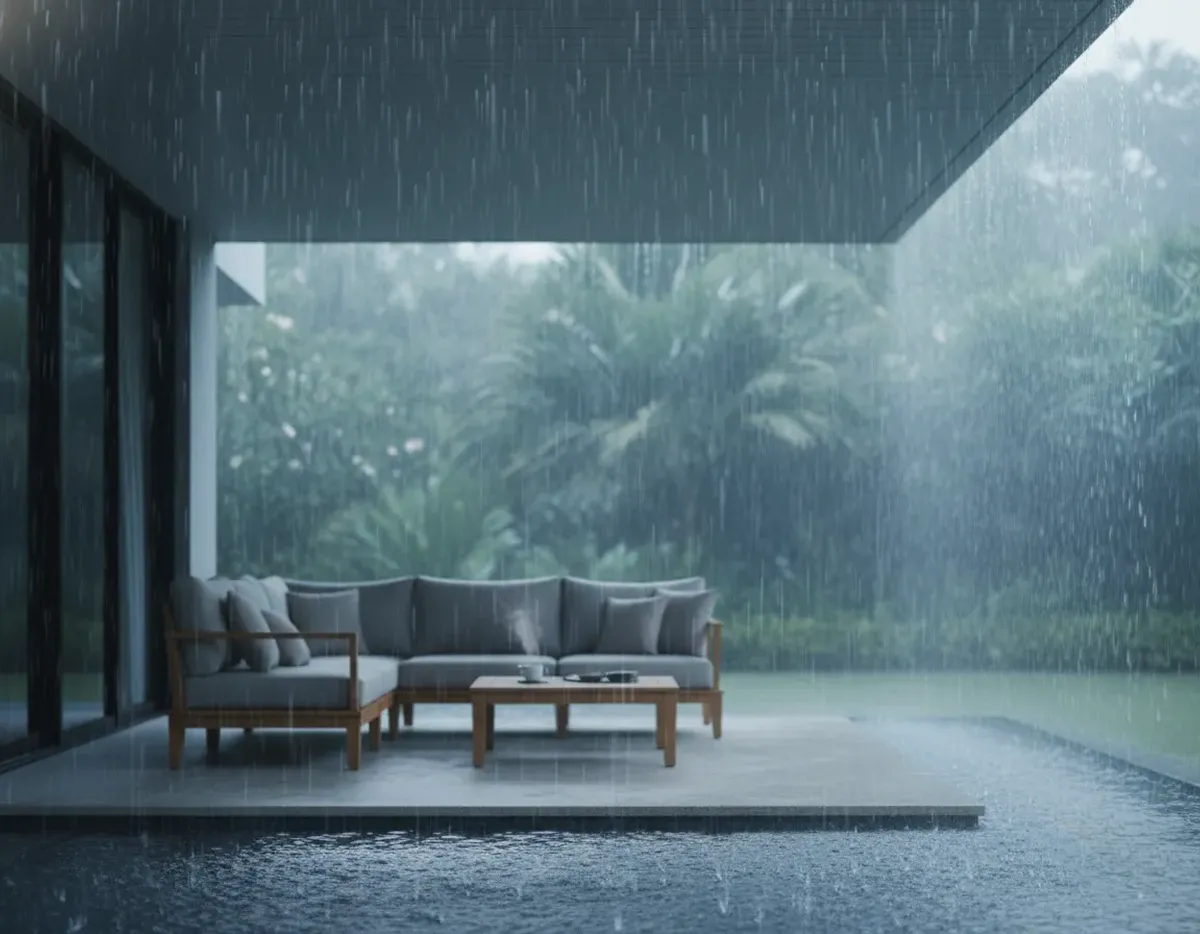
Tropical downpours can arrive suddenly and soak balcony floors and furniture. A properly designed canopy helps keep the space usable even during rain.
Strong UV Exposure
Balconies often receive direct sunlight for long hours. Without protection, the floor and furniture heat up quickly, making the space uncomfortable.
Natural Wind Flow
Many balconies rely on cross-ventilation to stay cool. Installing the wrong type of shelter can trap heat and reduce airflow.
Because of these conditions, balcony shelters need to balance shade, rain protection and ventilation.
Shelter Options That Preserve View and Ventilation
Different roofing materials offer different levels of light, shade and openness.
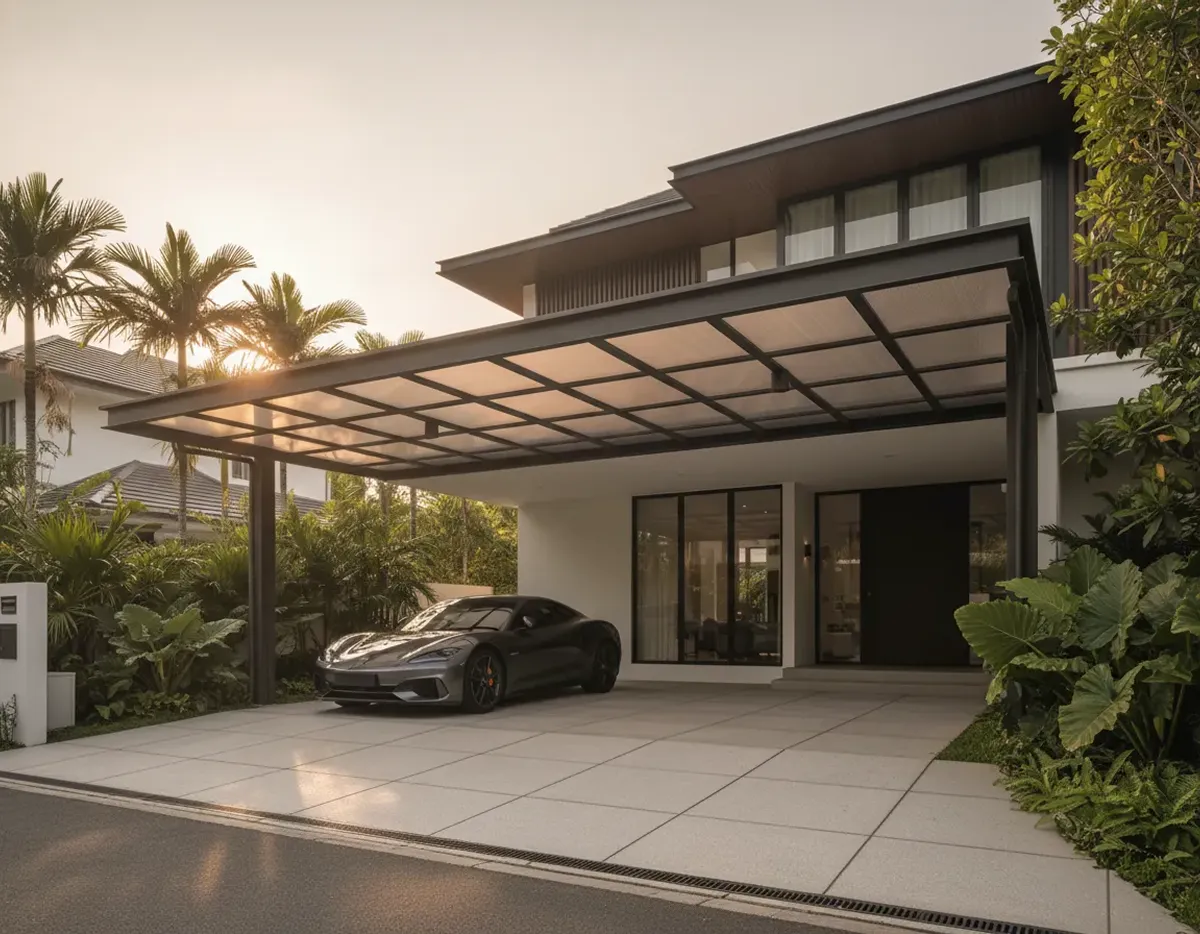
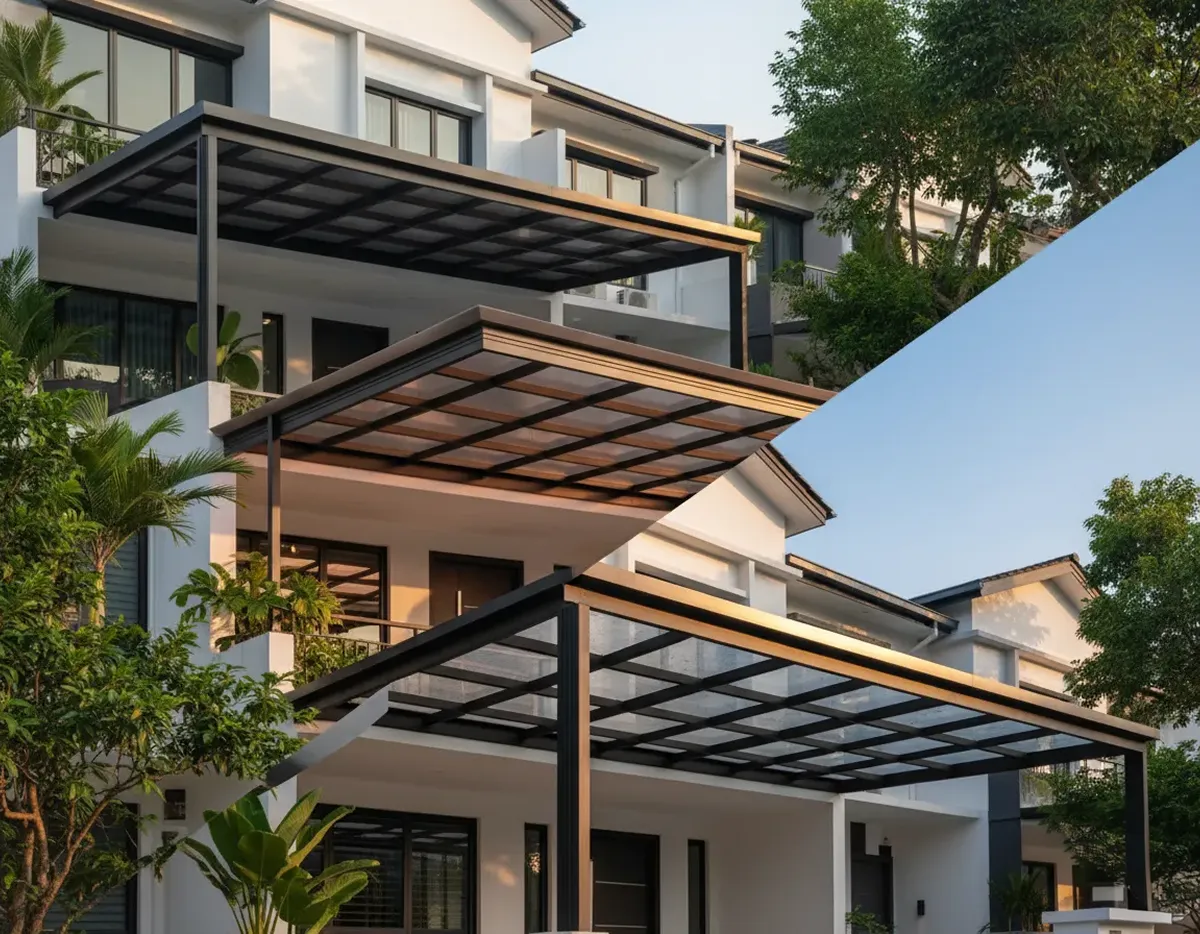
Polycarbonate Canopies
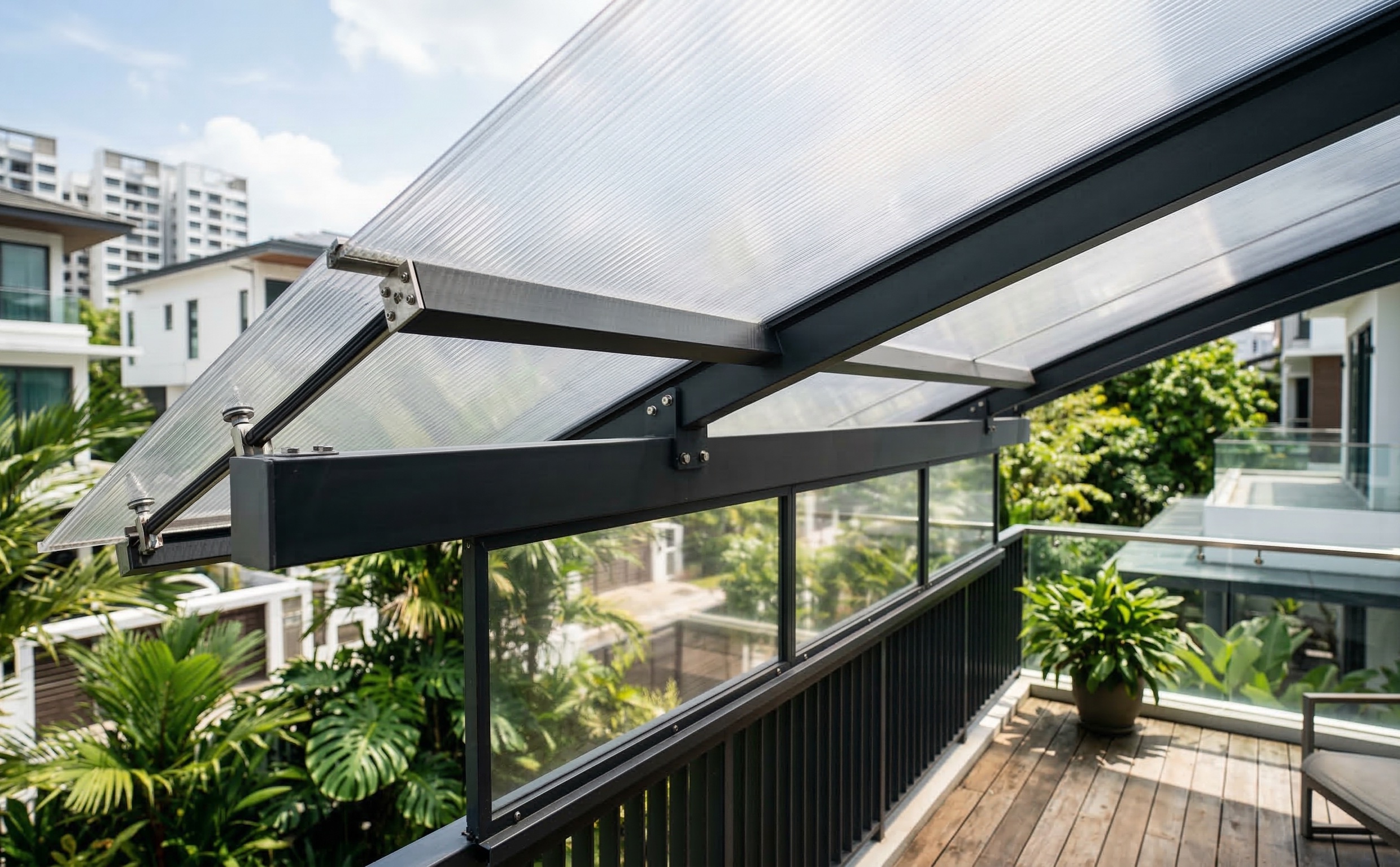
Polycarbonate panels are translucent roofing sheets that allow light through while still providing rain protection.
Key characteristics:
- Durability: Moderate to high
- Maintenance: Low
- Waterproofing: Good when properly sealed
- Heat reduction: Moderate because light still passes through
- Best use case: Residential balconies where natural light and open views are important
Polycarbonate canopies maintain a bright, airy balcony feel while protecting the space from rain.
Aluminium Composite Panel (ACP) Roofing
ACP roofing panels are solid aluminium-based sheets commonly used for canopy roofing.
Key characteristics:
- Durability: High
- Maintenance: Low
- Waterproofing: Excellent with proper flashing
- Heat reduction: Good because panels block direct sunlight
- Best use case: Balconies that receive strong afternoon sun or require more shade
While ACP blocks more light than polycarbonate, it provides better cooling under intense sunlight.
Glass Canopy Systems
Tempered glass shelters create a modern and open aesthetic while maintaining full visibility.
Key characteristics:
- Durability: High when properly supported
- Maintenance: Moderate because glass requires regular cleaning
- Waterproofing: Good when installed with proper sealing
- Heat reduction: Moderate depending on glass type
- Best use case: High-end residential balconies or commercial outdoor seating areas
Glass roofs preserve the balcony view while still providing shelter from rain.

Key Design Solutions That Maintain Airflow
Material choice is only part of the design. Structural details also affect comfort and ventilation.
Elevated Canopy Installation
Installing the canopy slightly above the balcony opening allows wind to flow underneath the roof.
Partial Roof Coverage
Instead of covering the entire balcony, partial canopy coverage can maintain airflow while still protecting key areas.
Proper Roof Slope
Balcony shelters should be angled so rainwater drains off quickly. Flat roofs can trap water and eventually cause leaks.
Quality Waterproofing
All balcony shelters require proper waterproofing where the roof meets the wall or building structure to prevent water intrusion.
Common Balcony Shelter Mistakes
Certain design decisions can unintentionally reduce comfort or create long-term maintenance issues.
Common problems include:
- Installing shelters that fully block wind circulation
- Choosing opaque roofing that makes the balcony feel dark
- Building flat roofs that allow rainwater to pool
- Poor sealing at wall connections
- Using low-quality screws that rust in humid conditions
Over time, these problems can lead to leaks and the need for roof leak repair.

How Ruufer Designs Balcony Shelters That Stay Bright and Breezy
As a specialist in roofing Singapore projects and an experienced awning contractor Singapore, Ruufer focuses on balcony shelters designed specifically for tropical climates.
Ruufer’s approach emphasises:
- Shelter designs that maintain open views and natural airflow
- Roofing materials that balance light, shade and durability
- Proper waterproofing at structural joints to prevent water intrusion
- Roof slopes that manage Singapore’s heavy rain efficiently
- Structural systems that minimise long-term maintenance and reduce the risk of roof leak repair
These design considerations ensure balcony shelters remain functional and comfortable even under Singapore’s hot, humid and rainy conditions.
Final Thoughts: Creating a Balcony Shelter That Works With the Climate
A well-designed balcony shelter should enhance the space without making it feel enclosed.
Key takeaways:
- Polycarbonate and glass shelters maintain openness, allowing light and visibility.
- ACP roofing provides stronger shade for balconies exposed to intense sunlight.
- Ventilation matters — canopy placement should allow wind to pass through.
- Roof slope and waterproofing are critical for managing heavy rain.
When these design factors are planned carefully, balcony shelters can provide protection from rain and sun while still preserving the breezy, open feel that makes balcony spaces enjoyable in Singapore.