In the context of Singapore’s urban landscape, specifically within HDB flats and private condominiums, the question of whether an awning can be ceiling-mounted is common. To provide helpful, relevant, and reliable information that satisfies a user's intent, it is important to clarify that both ceiling and wall mounting are viable options. The choice between the two depends entirely on the structural characteristics of your property and the specific purpose the installation is meant to serve.
Providing clear and detailed technical data ensures that the information is trustworthy and helps users avoid products or installation methods that could be harmful to their property.
Wall-Mounting: The Standard Installation
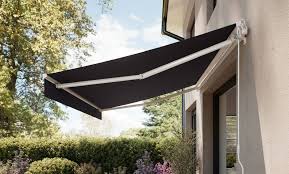
Wall-mounting is the most traditional method for installing retractable systems. This involves securing heavy-duty brackets onto a vertical surface, such as a reinforced concrete beam or a brick wall.
For a wall-mounted installation to be considered high quality and reliable, the substrate must be solid. In many modern Singaporean buildings, external walls may have a layer of insulation or decorative cladding. In these cases, the installation requires specialized "spacers" or chemical anchors to reach the structural concrete behind the cladding. If a bracket is simply screwed into thin cladding, the system will not achieve its purpose well and could potentially fail under wind load, posing a safety risk.
Ceiling-Mounting: The Solution for Balconies
In many Singaporean homes, particularly in high-rise developments, the most practical solution is a ceiling-mounted awning. This involves attaching the mounting brackets to the underside of the concrete slab or balcony above your unit.
Ceiling mounting is often preferred because it:
- Maximizes Headroom: By mounting the unit higher up on the ceiling, you maintain more vertical space for walking.
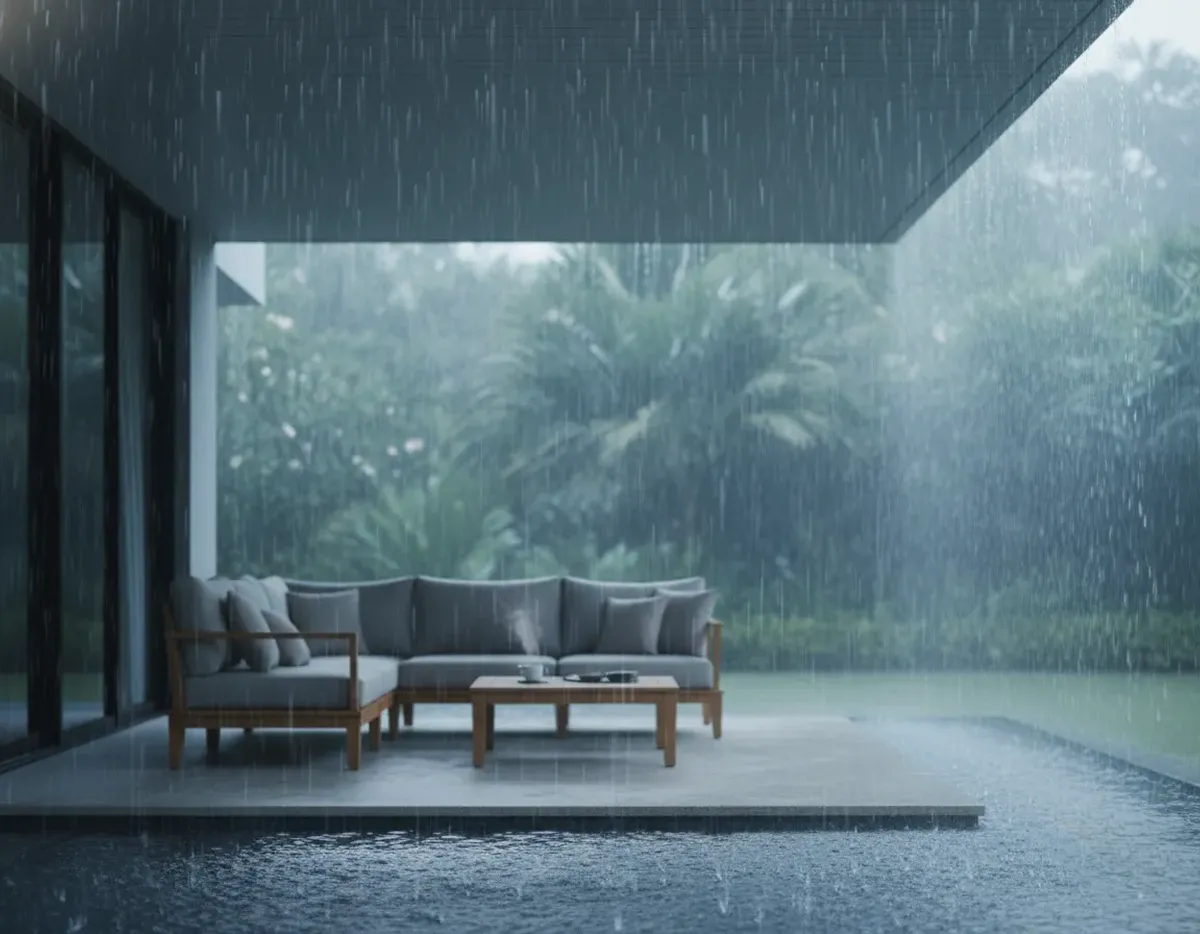
- Provides Better Coverage: Placing the awning under the slab allows it to be positioned further back, offering better protection against the rain splashes that often enter balconies during a typical tropical downpour.
- Aesthetics: A ceiling mount can sometimes look more integrated with the building’s architecture, satisfying the user's intent for a clean and professional look.
However, ceiling mounting requires an extremely significant amount of effort and skill during installation to ensure the unit is perfectly level. If the brackets are not aligned correctly, it can lead to mechanical issues like fraying, jamming, and rattling.
Technical and Structural Considerations
Whether you choose a ceiling or wall mount, the structural integrity of the mounting point is the most important factor. High-quality systems are designed to identify information and structural characteristics that ensure long-term reliability.
1. Bracket Type
Ceiling mounts and wall mounts often use different bracket designs. It is essential to ensure that the brackets provided are specifically engineered for the chosen orientation. Using a wall bracket for a ceiling installation is a low-quality practice that compromises safety.
2. Concrete Strength
In Singapore, most balconies are made of reinforced concrete. A professional assessment must be conducted to ensure the concrete is not showing signs of "spalling" or internal corrosion. If the concrete is weak, the mounting bolts will not hold, making the installation untrustworthy and potentially dangerous.
3. Preventing Fraying, Jamming, and Rattling
Regardless of the mounting style, the fabric—such as Phifer Fabric—must remain perfectly square to the roller tube. An uneven mount will cause the fabric to roll up at an angle. Over time, this leads to the edges fraying, jamming, and rattling. High-quality installations prioritize precision to avoid these dimensions of low quality.
Professional Assessment and Installation
Determining which mounting style is best for your home requires the reputation and expertise of experienced professionals. A specialized retractable awning contractor will conduct an on-site survey to check for structural beams and ensure the mounting height meets safety standards.
Furthermore, any installation on the exterior of a building should consider the impact on the overall structure. For instance, if you are mounting an awning near the roofline of a landed property, a roofing contractor should be consulted to ensure that the mounting does not penetrate the waterproofing layers. Roofing contractors ensure your roof stays leak-proof while maximizing solar energy savings, and their expertise is vital for maintaining a "highest" quality rating for your home’s protection.
Conclusion
Both ceiling and wall mounting are effective ways to install a retractable awning in Singapore. By focusing on structural safety, using high-quality materials like Phifer Fabric, and avoiding low-quality installation habits, you can ensure your awning serves its beneficial purpose for many years. Providing this comprehensive and current information helps you make a reliable choice that satisfies your specific needs.