Singapore’s weather is tough on roofs. Between intense sun, heavy rain and year-round humidity, the wrong roofing material can turn homes and commercial spaces into heat traps.
For homeowners, MCST managers and F&B operators, the right roofing choice can make a noticeable difference in indoor comfort, energy bills and long-term maintenance. This guide breaks down which roofing materials actually help keep spaces cooler in Singapore’s climate — and what to avoid.
Why Roofing Choice Matters in Singapore
Singapore’s climate presents three major challenges for roofs:
1. Intense Heat and UV Exposure
Roofs receive the most direct sunlight throughout the day. Materials that absorb heat can trap warmth inside the building, making interiors uncomfortable and increasing air-conditioning costs.
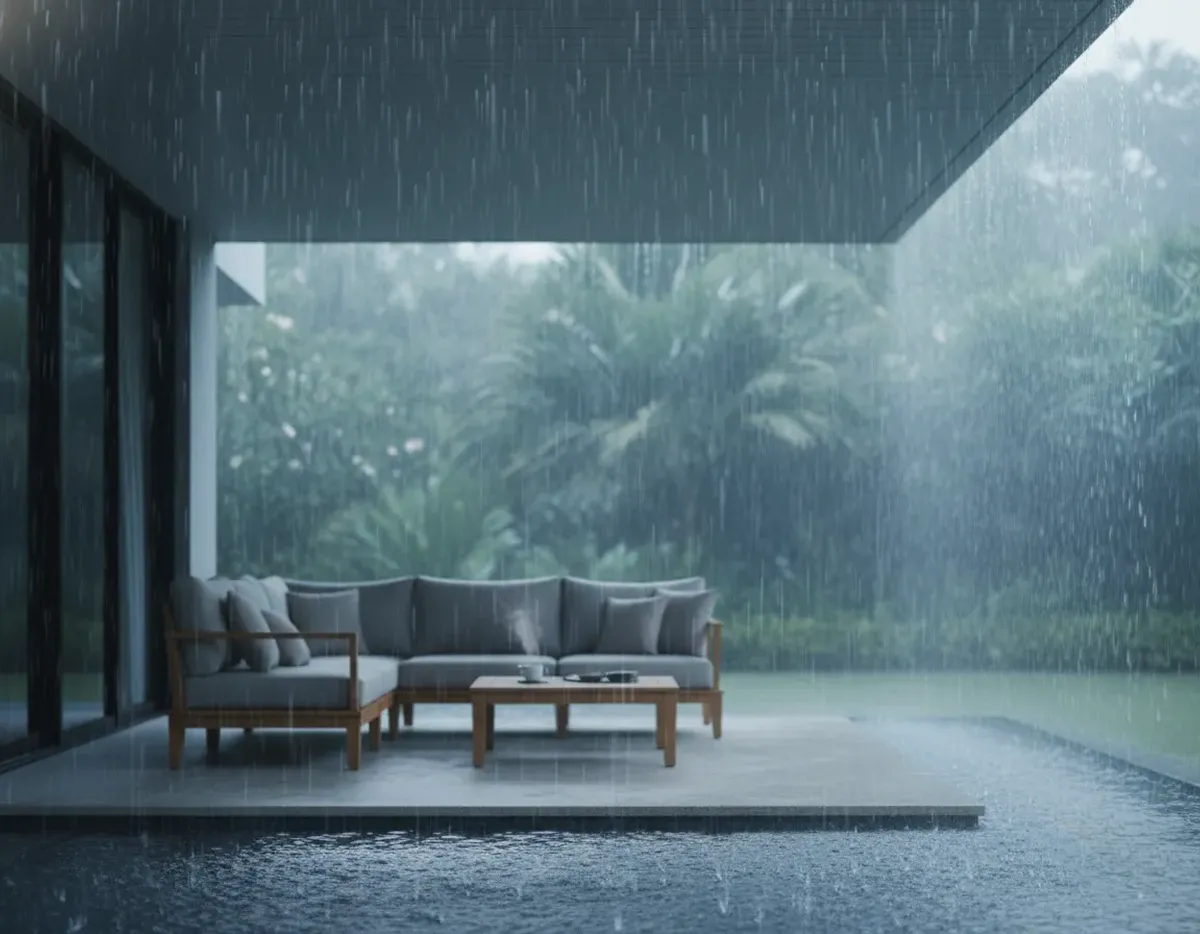
2. Heavy Tropical Rain
Sudden downpours test the durability and waterproofing of any roof. Poor installation or unsuitable materials can quickly lead to leaks.
3. Constant Humidity
High humidity accelerates wear, mold growth and corrosion if roofing systems are not designed for tropical conditions.
Because of this combination, roofing in Singapore isn’t just about shelter — it’s also about heat control, waterproofing performance and durability.
Roofing Materials That Help Reduce Heat
Below are some of the most common roofing materials used in roofing Singapore projects, and how they perform in terms of cooling and durability.
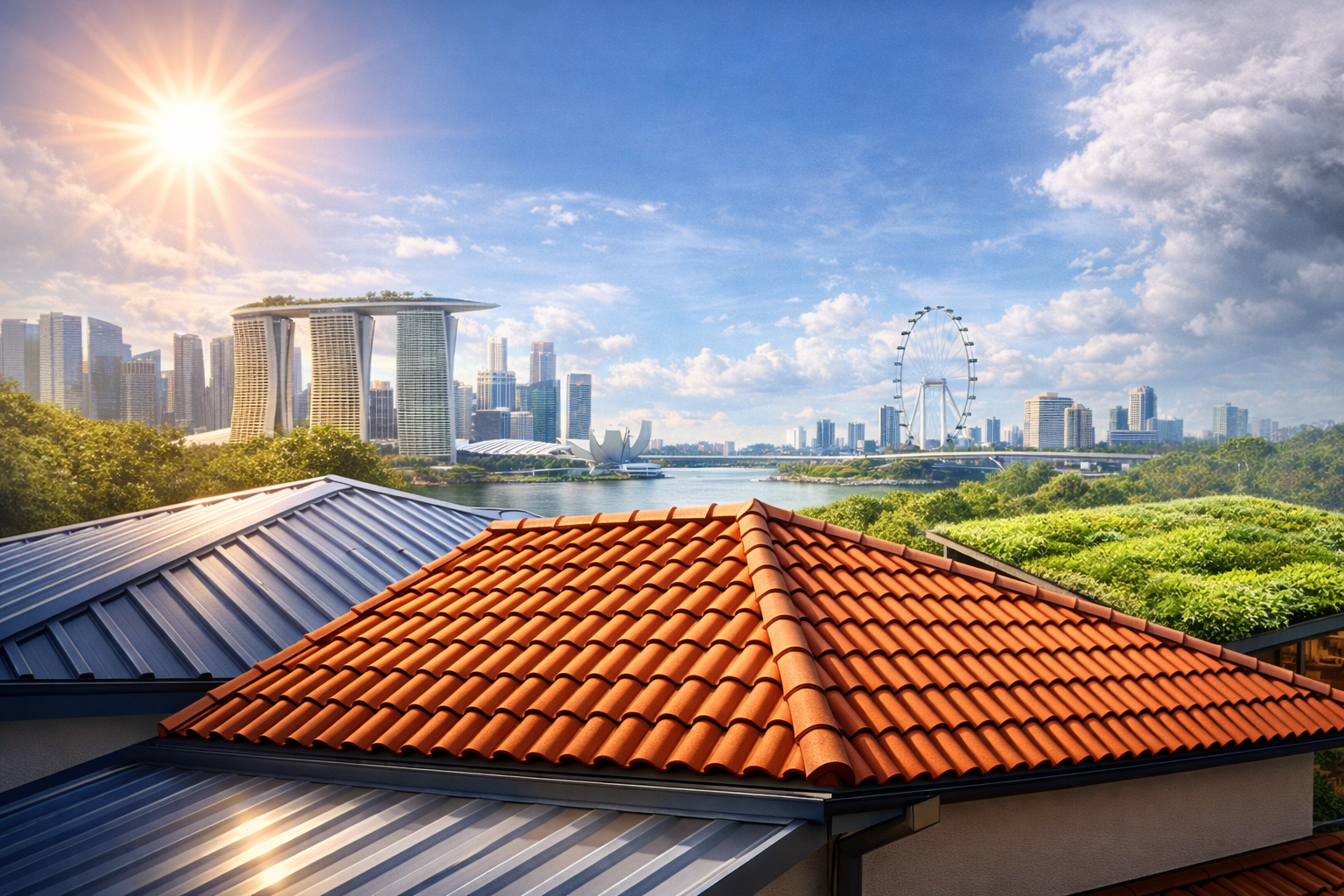
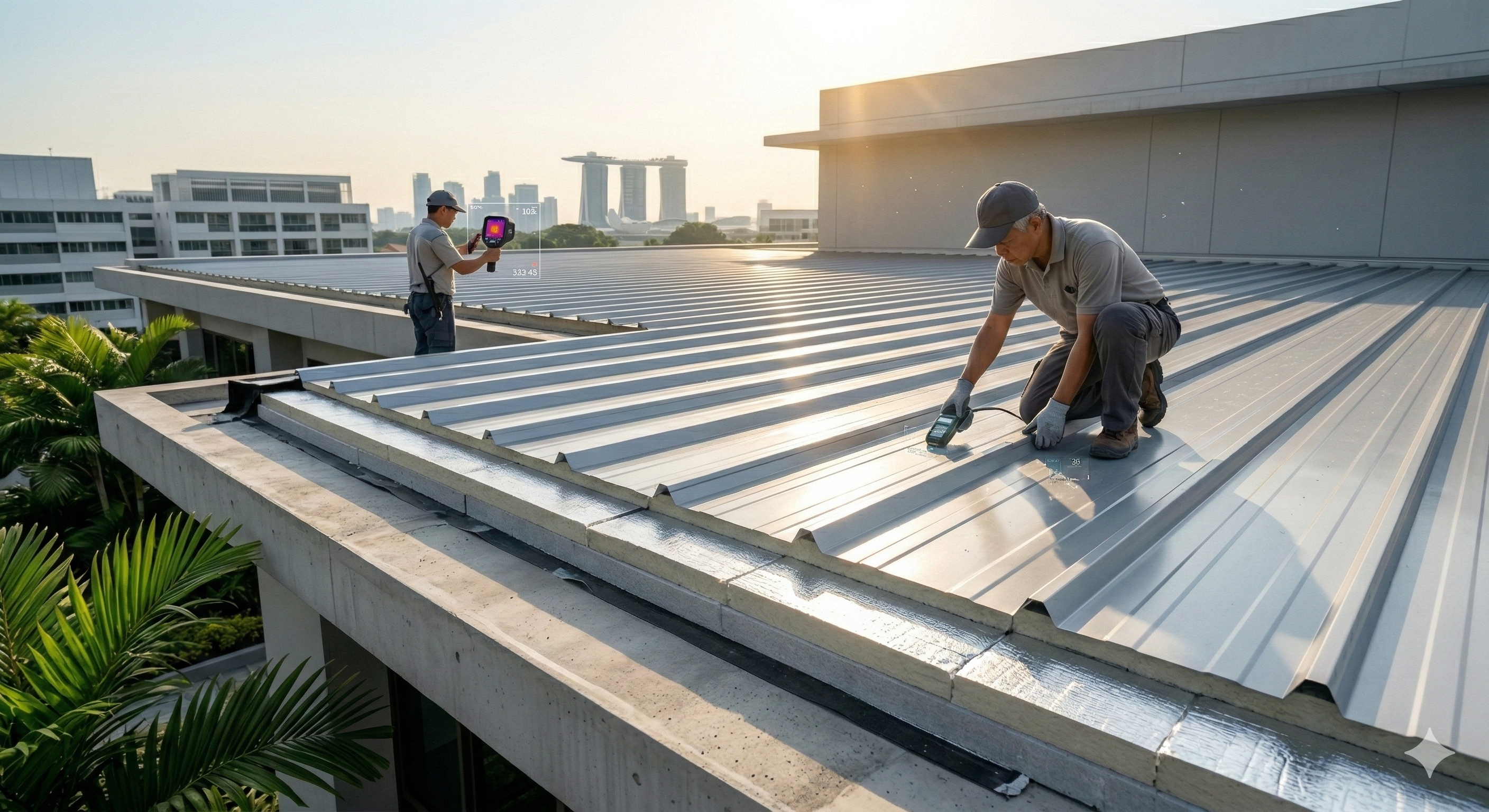
1. Insulated Metal Roofing
Metal roofing is widely used in commercial and industrial buildings across Singapore. When paired with insulation or reflective coatings, it becomes much more effective at reducing heat.
Why it works
- Reflects sunlight instead of absorbing it
- Can be paired with insulation layers
- Lightweight and durable in heavy rain
Best for
- Factories
- Warehouses
- Commercial buildings
- Modern residential roofs
Without insulation, however, metal roofing can transfer heat quickly.
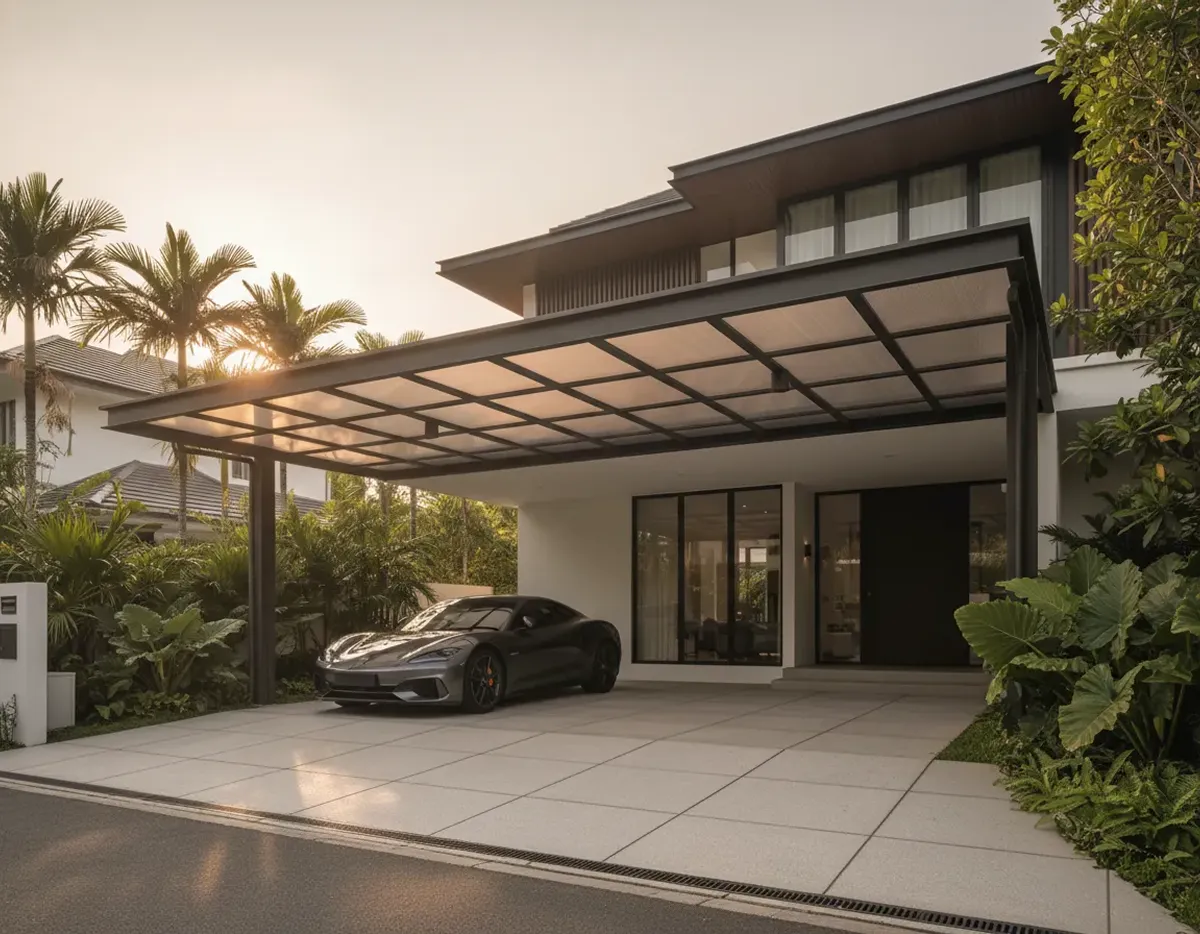
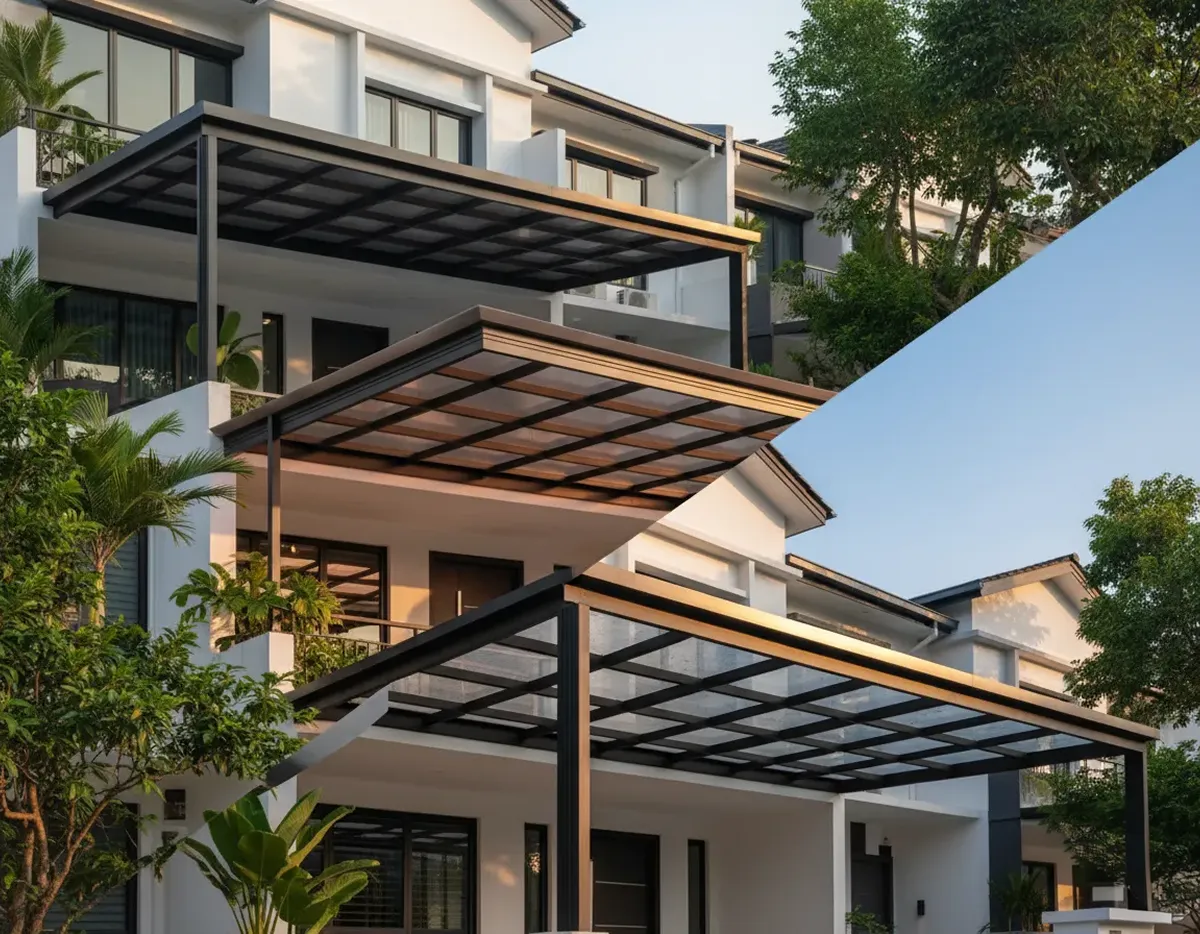
2. Polycarbonate Roofing (Heat-Resistant Panels)
Polycarbonate roofing is commonly used for outdoor shelters, patios and awnings.
Modern polycarbonate panels often include UV protection and heat-reduction coatings, making them suitable for outdoor spaces that still need natural light.
Why people choose it
- Allows daylight through
- UV-resistant options reduce heat
- Lightweight and durable
Best for
- Balcony roofs
- Walkways
- Patio covers
- Restaurant outdoor seating
This is where working with an experienced awning contractor Singapore property owners trust becomes important, because proper panel spacing and ventilation affect heat performance.
3. Clay or Concrete Roof Tiles
Roof tiles are less common in dense urban Singapore but still used in landed homes.
They perform relatively well in heat because of their thermal mass, meaning they absorb heat slowly and release it gradually.
Benefits
- Good heat buffering
- Durable
- Long lifespan
Downside
- Heavy
- Requires strong roof structure
- Higher installation cost
4. Green Roof Systems
Some commercial buildings and condominiums use green roofs (rooftop vegetation) to reduce heat.
Plants help lower surface temperatures and improve insulation.
However, they require excellent waterproofing systems to prevent leaks.

Common Roofing Mistakes in Singapore
Even the best material can fail if the system is poorly designed or installed.
Here are mistakes property owners often make:
Choosing roofing purely based on price
Cheaper materials often absorb more heat and require frequent repairs.
Ignoring insulation
Heat reduction depends not only on the roof surface but also on insulation layers.
Poor waterproofing
Singapore’s rainfall can expose weak seams and joints quickly. Many cases of roof leak repair happen because waterproofing was skipped or poorly applied.
DIY repairs
Temporary patching rarely fixes the root cause of leaks and can worsen damage over time.
When You Should Call a Roofing Professional
If you notice any of the following, it’s time to get a professional inspection.
- Water stains on ceilings
- Dripping during heavy rain
- Warped roofing panels
- Increasing indoor heat near roof areas
- Aging roofs (10–15+ years)
Professional contractors can assess whether you need:
- Roof leak repair
- Waterproofing upgrades
- Roofing replacement
- New awning installations
Working with a trusted roofing Singapore specialist ensures the materials and installation methods are suitable for local weather conditions.
Conclusion: The Right Roof Makes a Real Difference
In Singapore’s tropical climate, roofing isn’t just about protection from rain — it’s about controlling heat, ensuring reliable waterproofing and reducing long-term maintenance.
For most properties:
- Insulated metal roofing works well for commercial buildings
- Polycarbonate systems are ideal for patios and awnings
- Tile roofs remain a durable option for landed homes
Ultimately, effective roofing in Singapore is not just about the material itself but the overall system — including ventilation, waterproofing and installation quality. When these elements work together, a roof can last longer, perform better in the heat and reduce maintenance issues over time.