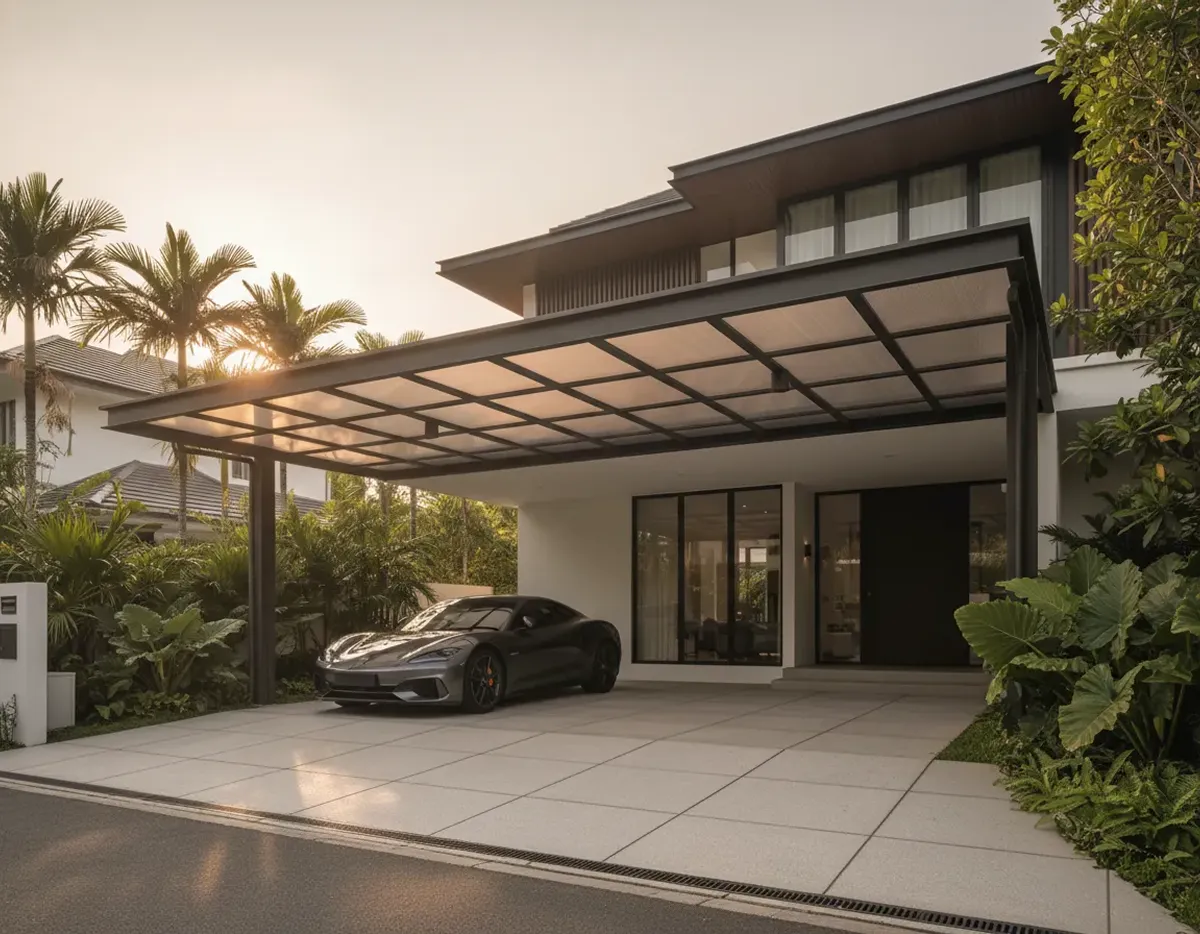
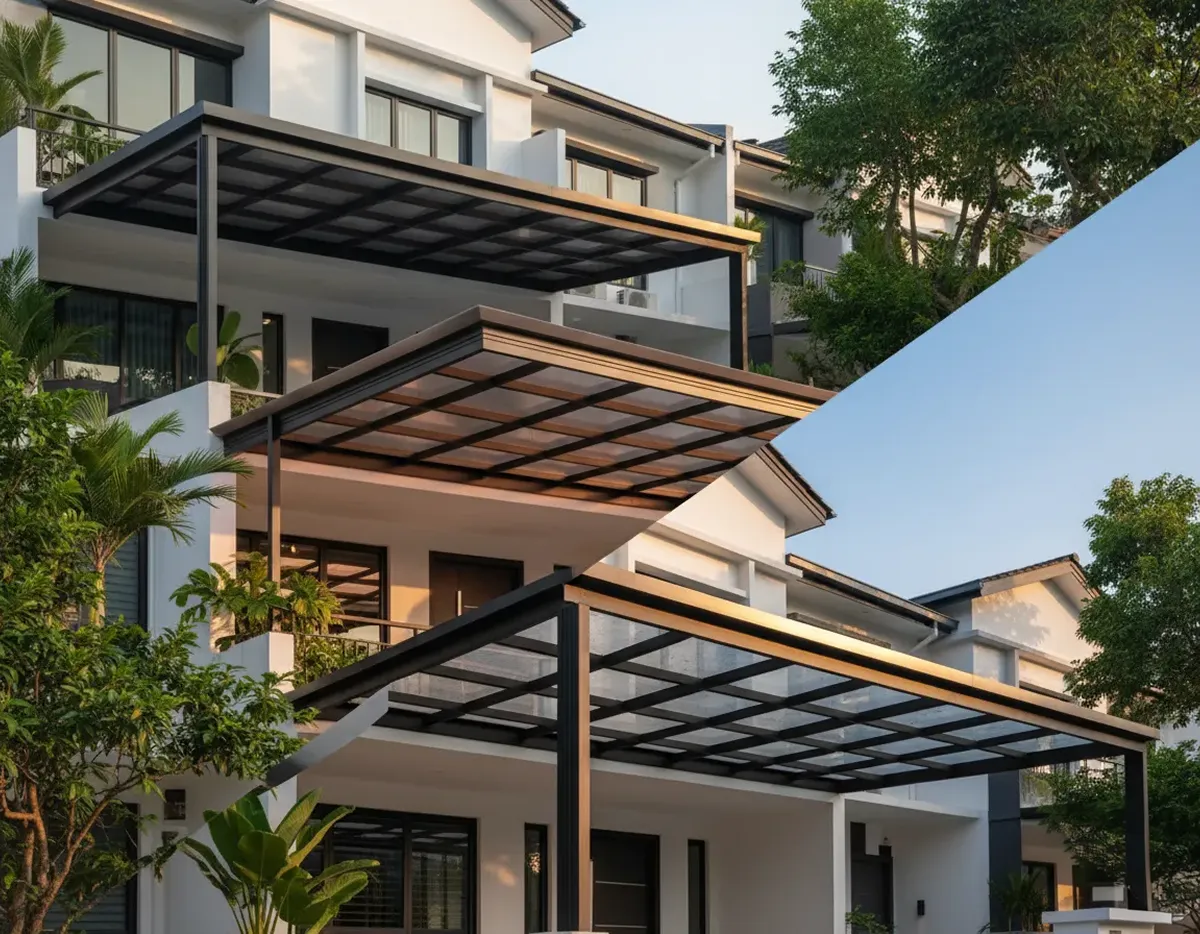
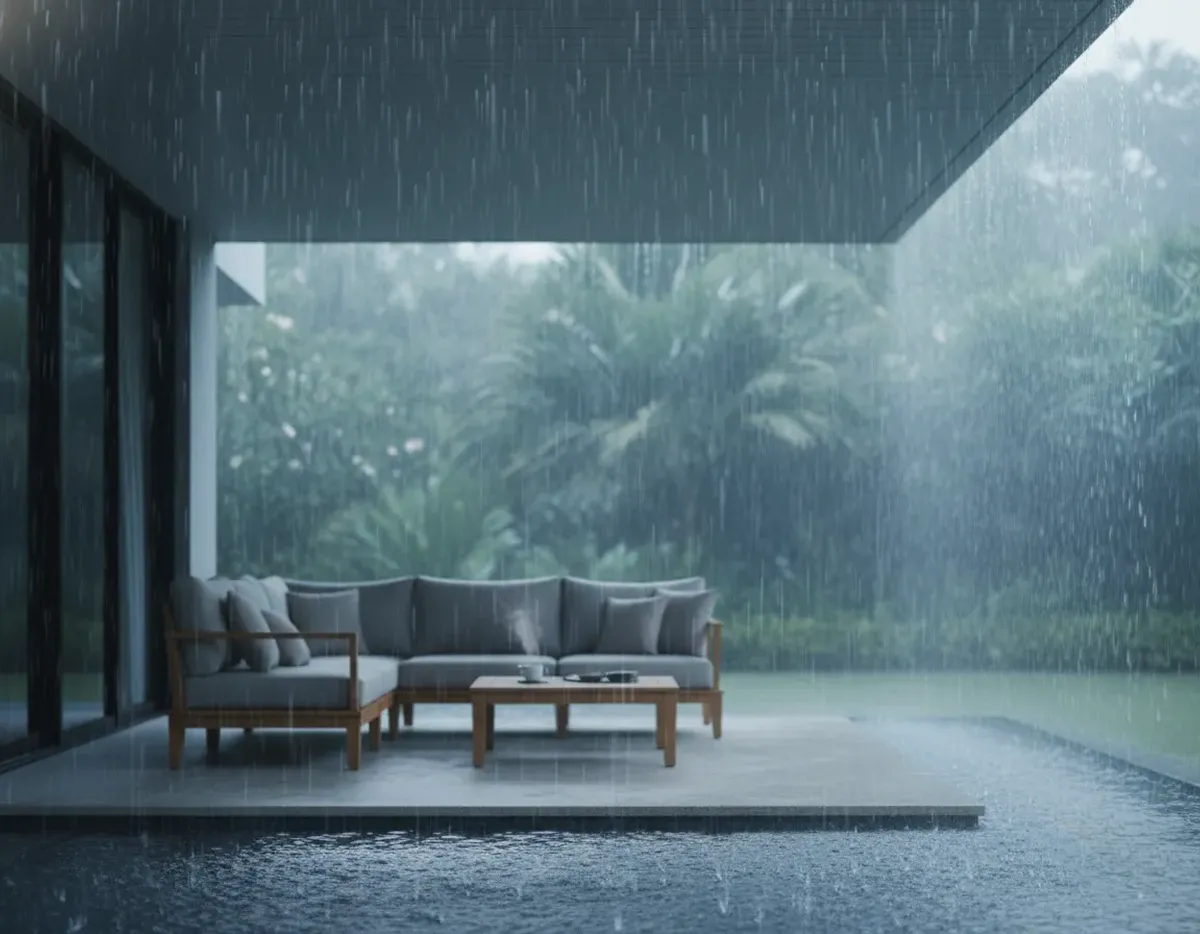
Installing an awning seems simple — until you start thinking about heat, rain, mounting, and long-term durability. In Singapore, these details matter a lot more than expected.
Whether it’s a retractable awning over a patio, a window awning, or a shopfront shelter, the wrong choices can lead to heat buildup, sagging fabric, water leakage or frequent roof leak repair.
This checklist helps you plan your awning properly from the start — so it performs well in Singapore’s climate and stays usable over time.
Why This Matters in Singapore
Awnings in Singapore face constant exposure to harsh conditions.
Heavy Rain
Sudden downpours can cause water pooling or leakage if the awning slope or sealing is not done properly.
Strong Sun and Heat
UV exposure can fade fabrics, weaken materials and make shaded areas feel hotter if ventilation is poor.
High Humidity
Moisture affects joints, brackets and sealants over time — especially if waterproofing is not properly handled.
That’s why awning design in roofing Singapore projects is not just about shade — it’s about durability and comfort.
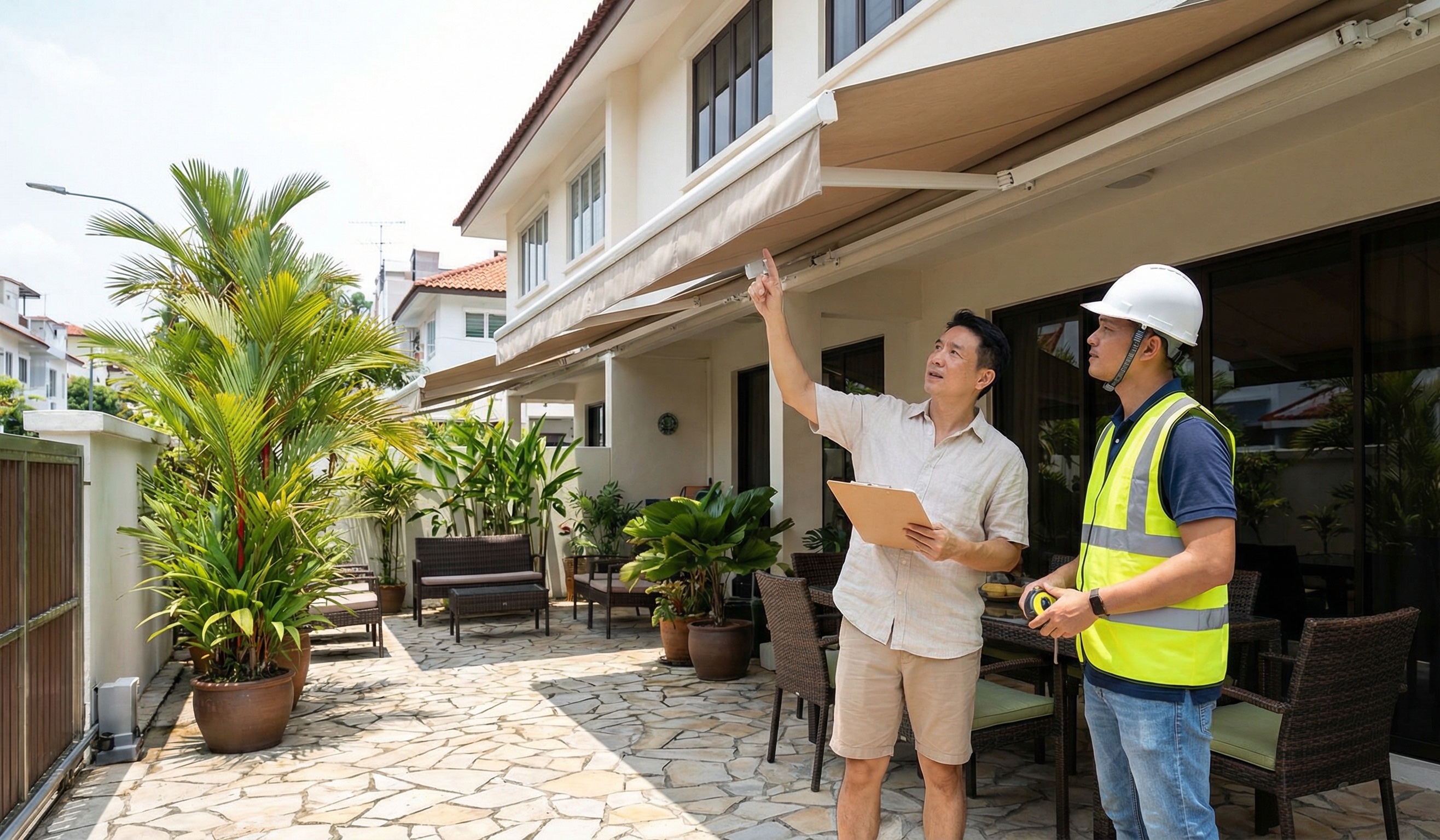
The Pre-Installation Awning Checklist
Before installing any awning, go through these key points.
1. What Type of Awning Do You Need?
Start with the function.
Are you installing:
- a retractable awning for flexibility
- a fixed awning for permanent shelter
- a window awning to reduce indoor heat
- a patio awning for outdoor seating
- a shopfront awning for customer comfort
Different uses require different materials, sizes and mounting methods.
2. How Much Sun and Rain Exposure Does the Area Get?
A west-facing patio gets strong afternoon sun, while certain areas may be exposed to wind-driven rain.
In Singapore:
- High sun exposure → prioritise heat reduction
- High rain exposure → prioritise slope + waterproofing
This determines whether a lightweight fabric awning is sufficient or a more solid system is needed.
3. Which Awning Material Works Best?
Fabric Awnings (Retractable or Fixed)
- Durability: Moderate
- Maintenance: Moderate
- Waterproofing: Good (depends on fabric quality)
- Heat reduction: Moderate
- Best use case: Patios, balconies, café-style seating
Fabric awnings are flexible and aesthetic, but may fade or sag over time if not properly maintained.
Aluminium / ACP Awnings (Solid Panels)
- Durability: High
- Maintenance: Low
- Waterproofing: Excellent with proper installation
- Heat reduction: Good
- Best use case: Car porches, fixed patio covers, modern homes
Solid awnings provide stronger shade and longer lifespan.
Metal Frame Awnings
- Durability: Very high
- Maintenance: Moderate
- Waterproofing: Excellent
- Heat reduction: Moderate
- Best use case: Larger outdoor areas or commercial spaces
These are more structural and suited for larger coverage.
4. Is the Awning Designed for Airflow?
An awning should not trap heat.
Common issues:
- fully enclosed sides
- low installation height
- no airflow gaps
A well-designed awning allows wind to pass through, keeping the area cooler.
5. Is There Enough Slope for Rainwater?
This is critical.
Awnings — especially fabric ones — must have a slight angle so rainwater flows off.
Without proper slope:
- water collects and stretches the fabric
- structure weakens over time
- leaks become more likely
6. How Will the Awning Be Mounted?
Not all awnings require heavy wall hacking.
Options include:
- Wall-mounted awnings (most common)
- Freestanding structures (no wall impact)
- Retractable systems with minimal brackets
Mounting affects:
- approvals
- wall condition
- long-term durability
7. Are Waterproofing Details Properly Planned?
Even small gaps at mounting points can cause long-term problems.
Proper waterproofing ensures:
- no seepage at wall joints
- protection around brackets and screws
- longer lifespan of the installation
Poor sealing is one of the main reasons for future roof leak repair.
8. Is the Colour and Design Suitable?
Colour affects both appearance and heat.
- Lighter colours → reflect heat better
- Darker colours → absorb more heat
The awning should also match the building design for a clean, cohesive look.
9. Are You Designing for Long-Term Use?
Awnings should not just look good on day one.
Consider:
- UV resistance
- fabric durability
- structural strength
- ease of maintenance
A slightly better-designed system can last significantly longer.

Common Awning Mistakes to Avoid
Many issues come from poor planning before installation.
Common mistakes include:
- choosing fabric that fades quickly under sun
- installing awnings with insufficient slope
- blocking airflow and trapping heat
- poor waterproofing at mounting points
- messy installation with visible brackets and screws
- forcing a wall-mounted system where freestanding is better
These problems often lead to faster wear, discomfort and eventual roof leak repair.
How Ruufer Designs Awnings That Work in Singapore’s Climate
As a specialist in roofing Singapore systems and an experienced awning contractor Singapore, Ruufer focuses specifically on awning systems that are suited for tropical conditions.
Key considerations include:
- selecting awning types based on actual use (not just aesthetics)
- designing proper slope to handle heavy rain
- ensuring airflow is not blocked by the structure
- applying proper waterproofing at all mounting points
- recommending mounting methods that minimise wall impact
- installing systems that reduce long-term maintenance and roof leak repair risks
This ensures awnings remain functional, comfortable and visually clean over time.
Final Thoughts: The Awning Checklist That Actually Matters
Before installing any awning, getting the basics right makes a big difference.
Key takeaways:
- Choose the right awning type based on usage
- Material affects heat, durability and maintenance
- Slope and drainage are critical in Singapore’s rain
- Airflow should not be blocked
- Waterproofing at mounting points is essential
- Mounting method should suit the space and structure
A well-planned awning does more than provide shade — it keeps outdoor spaces usable, comfortable and reliable in Singapore’s heat, rain and humidity.