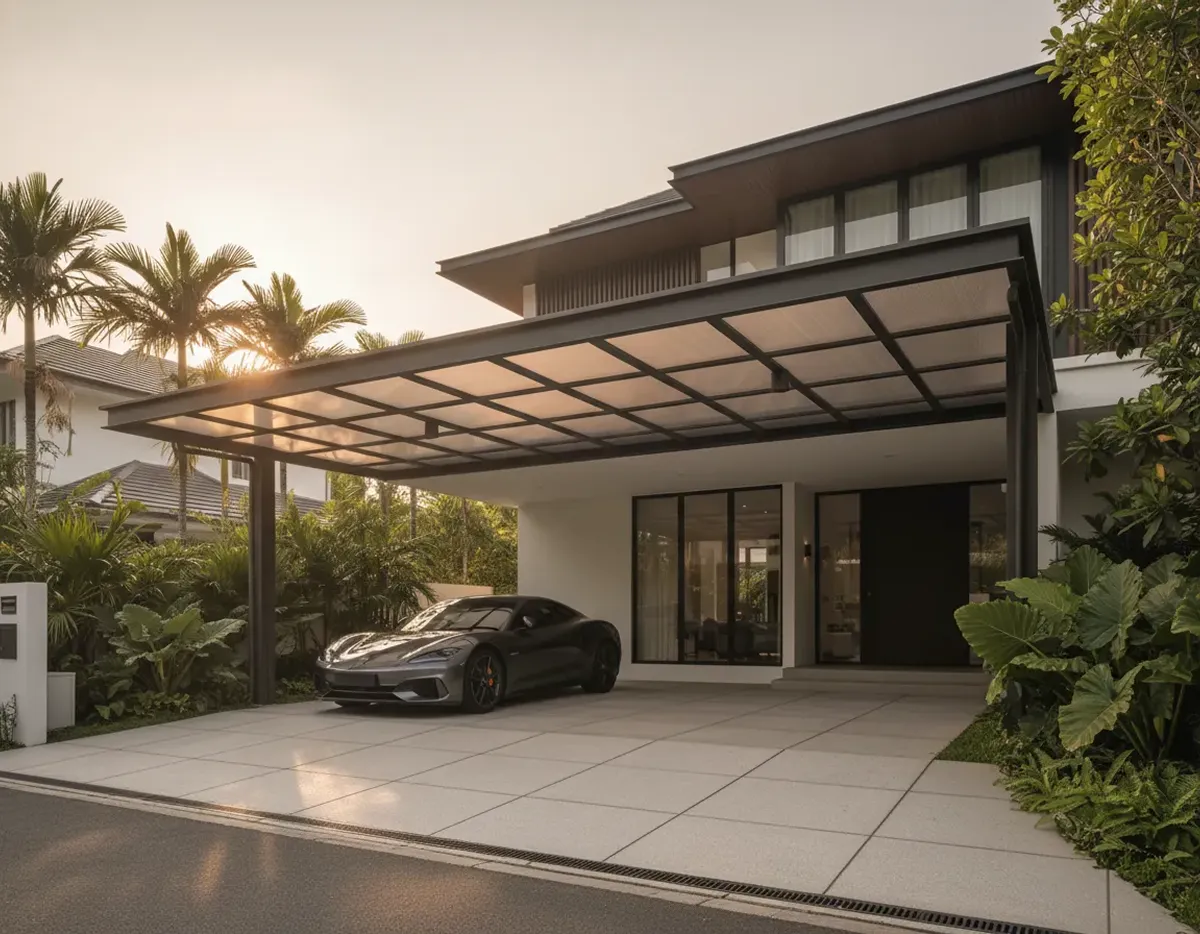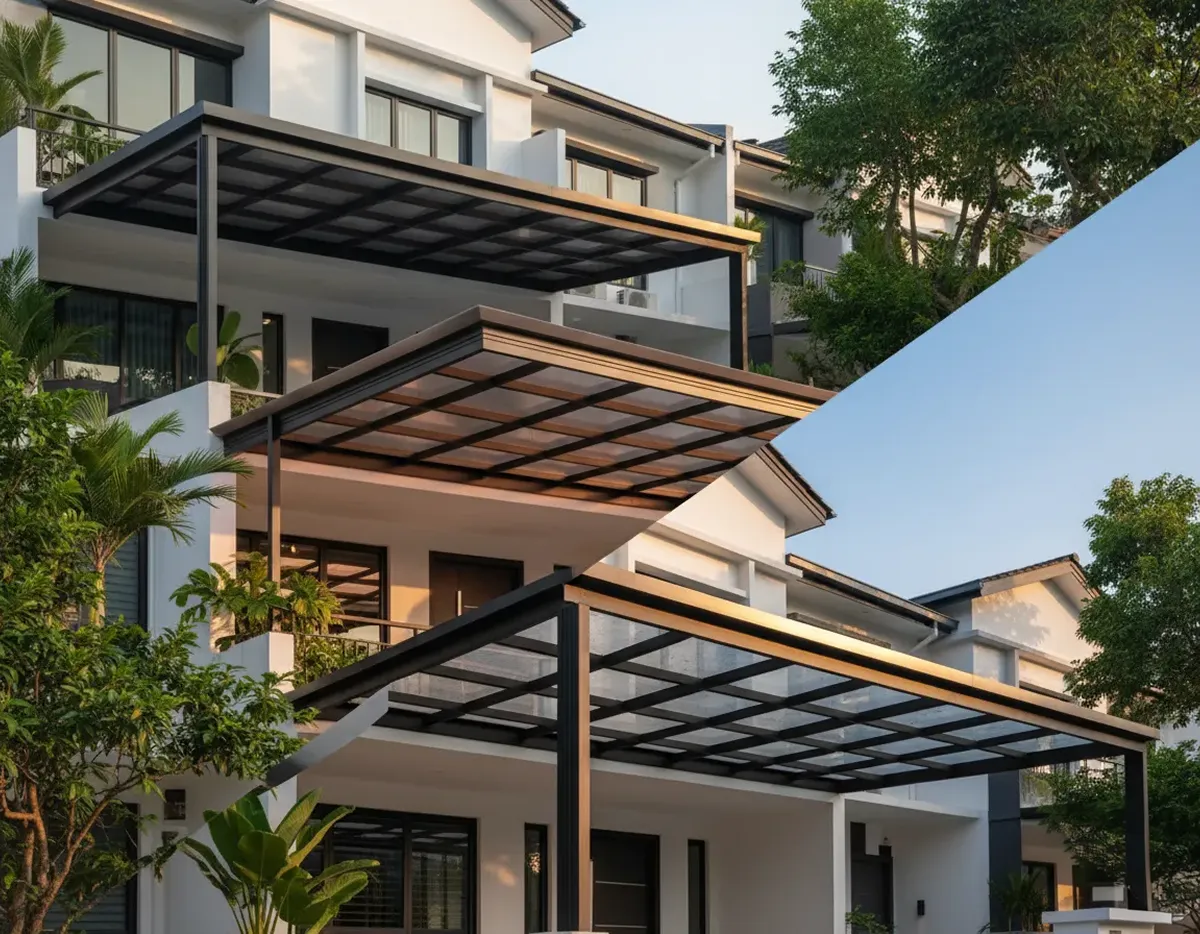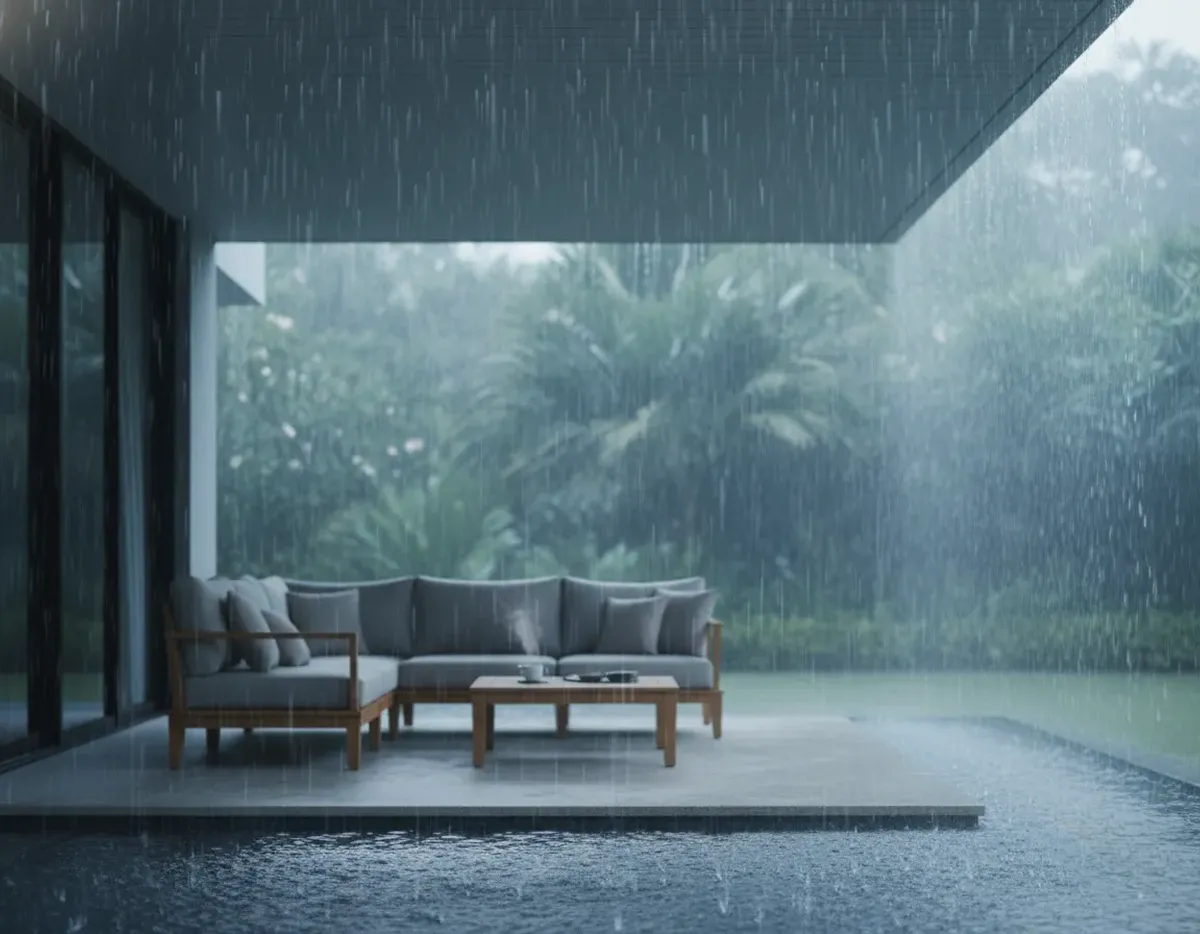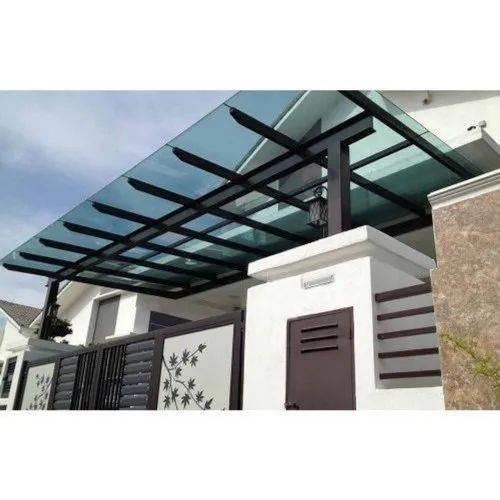
Singapore’s tropical weather doesn’t mess around — blazing sun one minute, a torrential downpour the next. Whether you’re looking to shade a condo balcony, a landed patio, or a commercial shopfront, an awning is a practical investment. But before you start, the first question is always the same: How much will it cost?
This guide gives you transparent 2026 pricing for all major awning types, with a special deep dive into retractable awnings — the most popular choice for flexibility and smart-home integration. We’ll also cover hidden costs like electrical work, MCST approvals, and long-term maintenance, so you know exactly what you’re paying for.
1. Awning Cost Overview: Type-by-Type Prices
Not all awnings are created equal. Here’s a quick snapshot of what you can expect to pay for professionally installed residential awnings in Singapore this year. Prices include standard materials and labour for typical sizes.
Note: Fixed awnings sit at the lower end because they use simple brackets and no moving parts. Retractable awnings cost more due to the tensioned frame and, for motorised versions, the cost of the motor and electrician.
If you’re comparing materials in more detail, we’ve broken down the pros and cons of polycarbonate, glass, and aluminium composite panels in our [awning materials guide] – but for now, let’s focus on the type that gives you the most control over shade and space.
2. Retractable Awning Costs: What You’re Really Paying For
A retractable awning is a precision-engineered system, not just a piece of cloth on a roller. Understanding the three core components will help you compare quotes intelligently.
A. The Fabric (The Shield)
Fabric quality dictates how long your awning looks good and stands up to UV radiation. It typically accounts for 30–40% of the total cost.
B. The Framework (The Skeleton)
The arms and brackets are under constant tension and must resist corrosion in our humid, sometimes salty air.
- Standard extruded aluminium – adequate for most inland landed homes and condos.
- Marine-grade aluminium (6063-T5) – essential for coastal properties (Sentosa, East Coast) to prevent pitting from salt spray.
- High-tension stainless steel cables or chains – found in premium arms rated for 10,000+ open/close cycles.
A flimsy frame is the number one reason cheap awnings sag after 12 months. Always ask your contractor what grade of aluminium they use.
C. The Mechanism
D. Smart Sensors & Home Integration (2026 Trends)
More Singapore homeowners are adding automation to protect their investment and boost convenience.
- Wind Sensor – $150 – $250. Detects strong gusts (common in Sumatra Squalls) and automatically retracts the awning before it’s damaged.
- Rain Sensor – $200 – $300. Triggers the awning to extend when drizzle starts, keeping patio furniture dry.
- App Control (Google Home / Apple HomeKit) – Usually included with high-end motors. Retract your awning from the office if you see a storm brewing on the NEA weather app.
3. Updated 2026 Price Table: Retractable Awnings by Size & Operation
This table reflects current market rates for complete supply and professional installation.
What’s a cassette? A semi-cassette encloses the fabric and part of the arms when retracted. A full-cassette encloses everything completely in a metal box, protecting it from bird droppings, grime, and Singapore’s relentless rain. It’s the longest-lasting option but adds 25–40% to the cost.
4. Hidden Costs: Installation, Electrical Work & Disposal
When you receive a quote, check whether the following are included. They can easily add $1,000 or more to the final bill.
- Electrical Point Installation: A motorised awning needs a 13A outdoor-rated power socket nearby. If one doesn’t exist, a licensed electrician will charge $150 – $250 to pull a new line. Hardwiring or concealing cables costs more.
- Scaffolding / Manlift: For second-storey installations or high ceilings, scaffolding rental costs $300 – $600.
- Old Awning Removal & Disposal: Dismantling an old, rusted awning is labour-intensive and subject to Singapore’s strict construction waste rules. Expect $150 – $300 for safe removal, sorting, and recycling, not including wall patching and repainting.
- Wall Patching & Repainting: If old brackets are removed, filling and painting the wall will incur additional minor works costs – clarify this upfront.
5. Compliance & Regulatory Costs: HDB, MCST & URA
In Singapore, you can’t simply bolt any awning to any wall. Ignoring the rules can lead to removal orders and fines.
- HDB Flats: External awnings for residential units above the ground floor are generally not permitted due to killer-litter risks. Ground-floor units and shopfronts must follow HDB’s standard designs. Your contractor’s administrative permit filing may include a small fee.
- Condominiums (MCST): Most management corporations enforce a “Uniformity of External Appearance” clause. You will need to:
- Use the MCST-approved fabric colour code (e.g., Sunbrella “Slate”).
- Stay within the maximum projection (commonly 2.0m–2.5m).
- Place a renovation deposit ($500 – $1,000) before work begins.
- Landed Properties (URA): An awning extending over a public drain or beyond certain boundary limits may be classified as an increase in Gross Floor Area (GFA). Professional installers should advise on URA’s guidelines for sunshades, typically keeping projections within 2m to stay exempt.
Always ask your contractor to handle the paperwork — a quote that seems cheap but omits MCST compliance can become very expensive later.
6. Long-Term Value: Maintenance, Energy Savings & ROI
Maintenance Budget
- Professional fabric cleaning: ~$200 every 12 months to remove algae and prevent permanent staining in Singapore’s humidity.
- Arm lubrication: Use a dry silicone spray every 6 months to keep joints silent and smooth.
- Pitch check: Ensure a minimum 15-degree slope. Water pooling stretches the fabric and can snap support arms.
Energy Savings
Installing a retractable awning over large sliding glass doors can reduce solar heat gain by up to 77%. Internal temperatures directly behind the shaded area can drop by 3°C–5°C, meaning your air-conditioner works less to keep the living room cool. Homeowners often report monthly utility savings of $50–$100 during the hottest months.
Property Value
A high-quality, motorised retractable awning with smart sensors is a desirable “Outdoor Living” feature in Singapore’s resale market. It extends usable floor area and signals that the home has been thoughtfully maintained — a small investment that pays back in buyer appeal.
Choosing the Right Awning: The Sweet Spot
A sub-$800 quote almost always means non-branded fabric that will sag and fade within a year, or a steel frame that will start rusting after a few monsoon seasons. For a standard Singapore landed home or ground-floor condo patio, a budget of **$2,500 – $3,800** for a motorised, solution-dyed acrylic awning with semi-cassette protection is the “sweet spot” for balancing quality, longevity, and smart features.
If you have a specific space in mind and want a transparent, obligation-free quote that accounts for MCST rules and electrical works, we’re here to help. Reach out to our team with your rough dimensions, and we’ll provide a site assessment and tailored recommendation — no hard sell, just honest advice.
Frequently Asked Questions
Can I install a retractable awning in my HDB flat?
Generally, no — unless you are on the ground floor and your Town Council specifically permits it. Above ground-floor level, the risk of “killer litter” means HDB almost always rejects external awnings. Always check with your Town Council first.
How long does installation take?
Once your fabric is custom-cut (typically 7–10 working days), the on-site installation takes only 3 to 5 hours for a standard unit.
What should I do during a thunderstorm?
Retract the awning immediately if you don’t have a wind sensor. An extended awning acts like a sail; strong gusts can rip the entire frame out of the wall. Wind sensors automate this for you — a worthwhile add-on for Singapore’s unpredictable squalls.
Why is a full-cassette awning so much more expensive?
The cassette completely encloses the fabric and arms in a metal housing when retracted, eliminating exposure to UV, rain, and bird droppings. It’s essentially a protective shell that extends the awning’s lifespan by years, but requires heavier-duty brackets and more complex manufacturing.
Looking for a customised awning solution? Explore our awning options at or contact us for a no-pressure site consultation. We'll walk you through the best fabric, frame, and sensor choices for your exact space and budget.