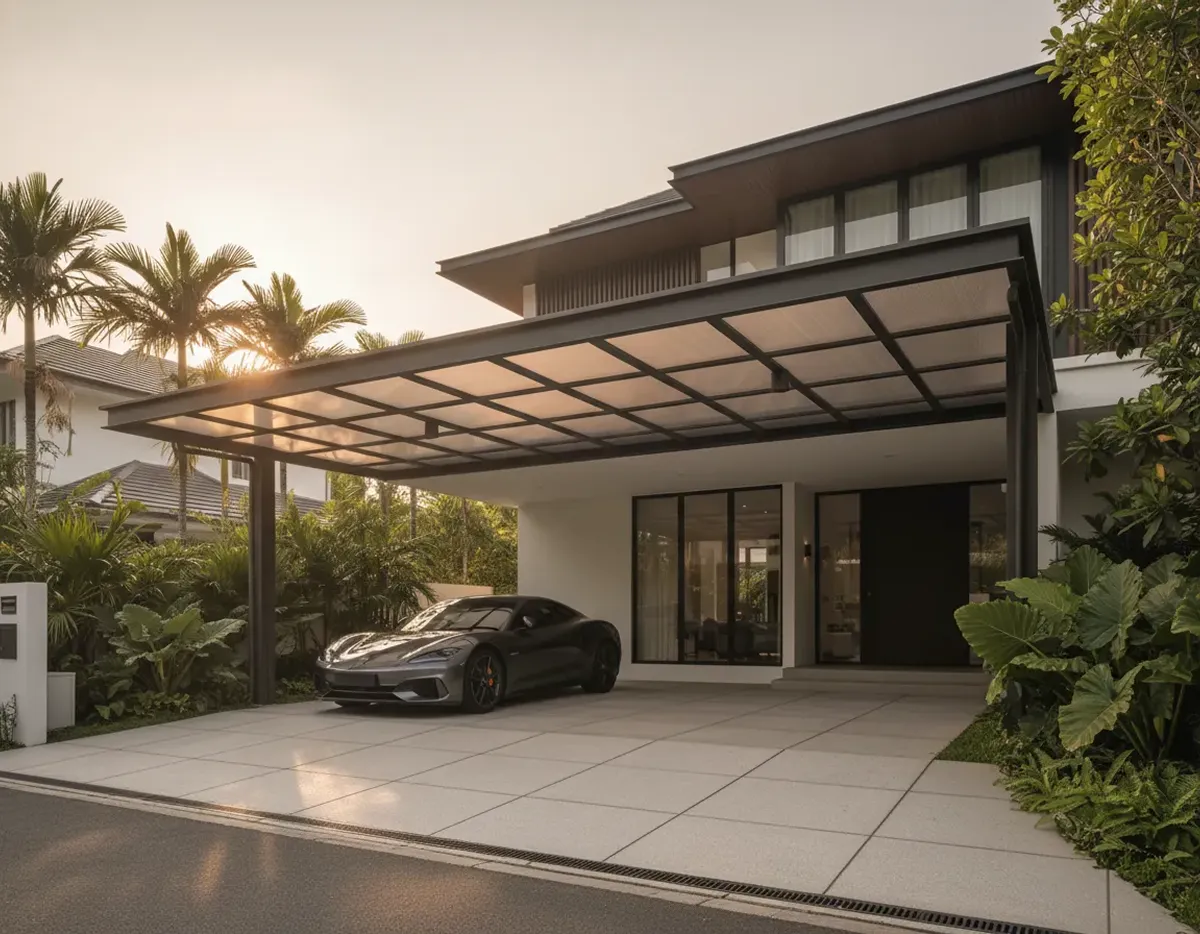
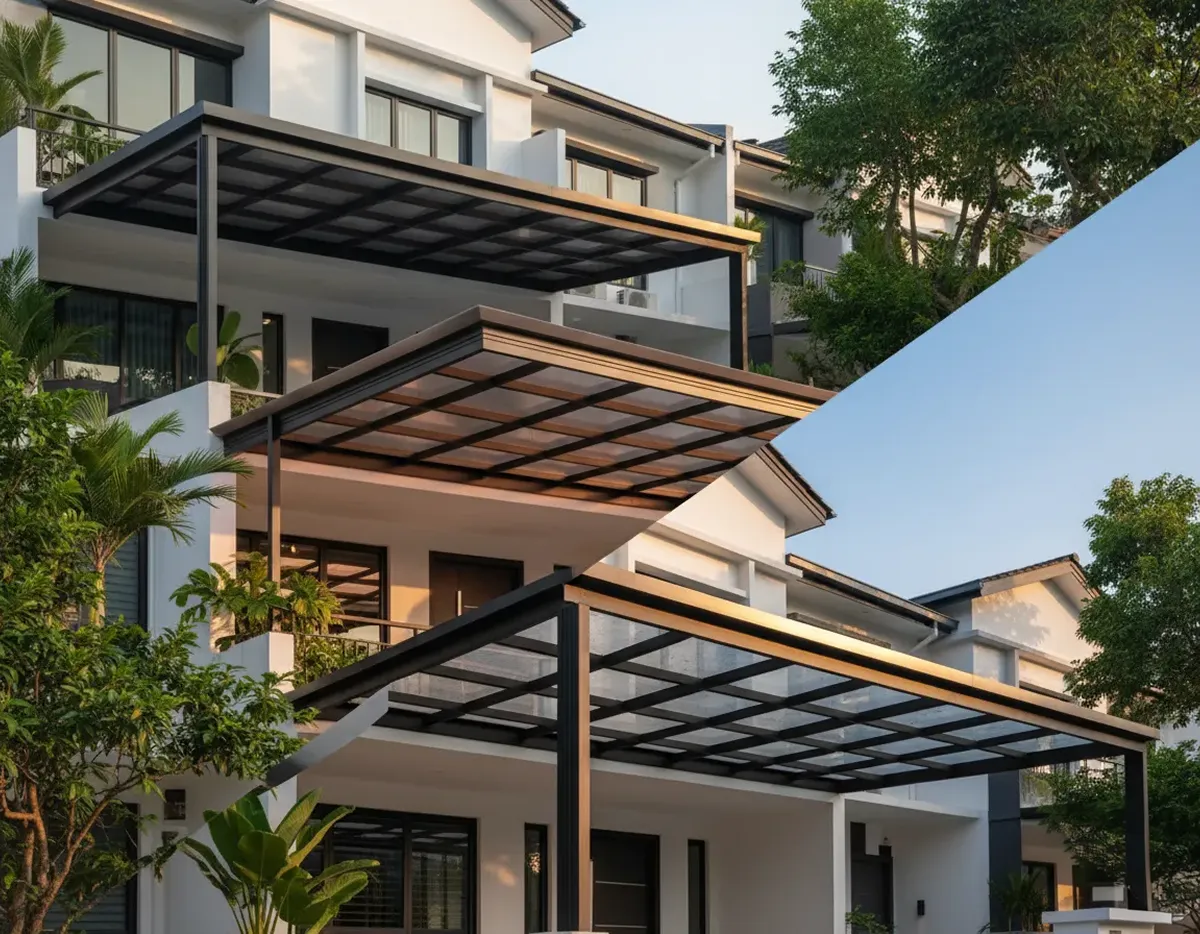
In many modern homes across Singapore, clean lines and minimal finishes are no longer just a design preference — they’re expected. One roofing material that consistently shows up in these projects is ACP (Aluminium Composite Panel) roofing.
Unlike translucent or corrugated options, ACP panels provide a solid, seamless and structured look. But beyond aesthetics, architects often prefer ACP for its durability, weather resistance and low maintenance — all important in Singapore’s climate.
This guide explains why ACP roofing is commonly used in roofing Singapore projects, and how it performs in real-world conditions.
Why ACP Roofing Matters in Singapore
Singapore’s environment puts constant pressure on outdoor roofing systems.
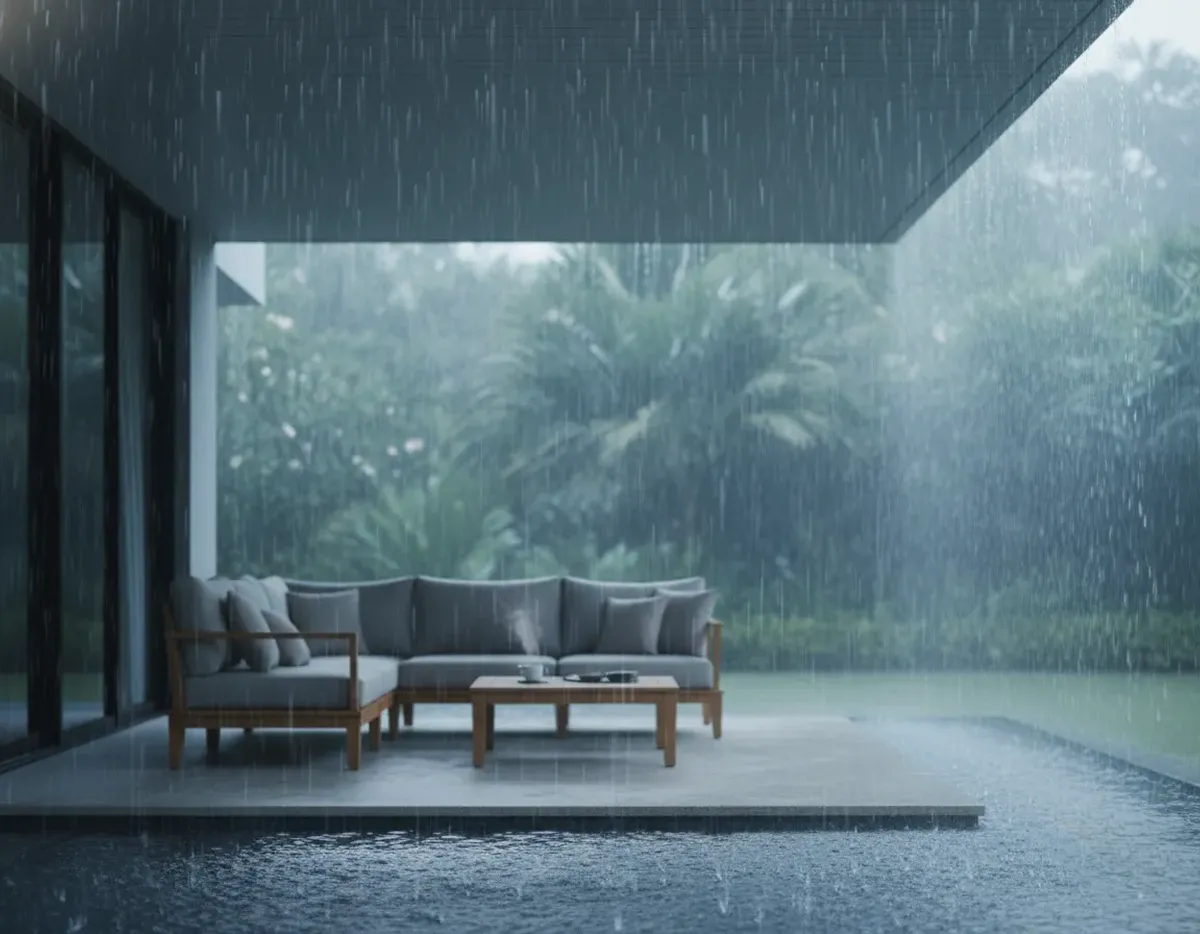
Heavy Rainfall
Frequent downpours require roofing systems that can handle water runoff efficiently without leaking. Poorly installed systems often lead to roof leak repair issues.
Strong UV Exposure
Constant sunlight can cause materials to fade or deteriorate. ACP panels are designed to withstand prolonged UV exposure better than many alternatives.
High Humidity
Moisture can accelerate corrosion, especially in joints and fasteners. Durable materials and proper waterproofing are essential.
Because of these conditions, architects tend to favour materials that combine clean design with long-term performance — which is where ACP stands out.
Why Architects Prefer ACP Roofing
Clean, Modern Appearance
ACP panels create smooth, flat surfaces with minimal visible joints. This aligns well with modern architectural styles in Singapore.
Consistent Finish Over Time
Unlike some materials that discolour or warp, ACP maintains its appearance even after years of exposure.
Strong Structural Stability
ACP panels are rigid and less prone to expansion or deformation compared to lightweight plastic sheets.
Better Heat Control
Solid panels block direct sunlight more effectively, helping reduce heat buildup underneath.
These factors make ACP roofing a reliable choice for both residential and commercial projects.
ACP vs Other Roofing Materials (How They Compare)
When choosing roofing materials, it’s useful to understand how ACP compares to common alternatives.
ACP Roofing
- Durability: High
- Maintenance: Low
- Waterproofing: Excellent with proper installation
- Heat reduction: Good — blocks direct sunlight
- Best use case: Modern homes, car porches, commercial spaces
Polycarbonate Roofing
- Durability: Moderate
- Maintenance: Low to moderate
- Waterproofing: Good when sealed properly
- Heat reduction: Moderate — allows light through
- Best use case: Balconies and spaces needing natural light
Metal Roofing
- Durability: Very high
- Maintenance: Moderate
- Waterproofing: Excellent
- Heat reduction: Moderate unless insulated
- Best use case: Larger or industrial-style structures
In many modern residential designs, ACP strikes a balance between aesthetic appeal and functional performance.
Key Design Solutions Using ACP Roofing
To maximise the benefits of ACP roofing, design and installation details matter.
Clean Panel Alignment
Panels should be installed in straight, consistent lines to maintain a seamless appearance.
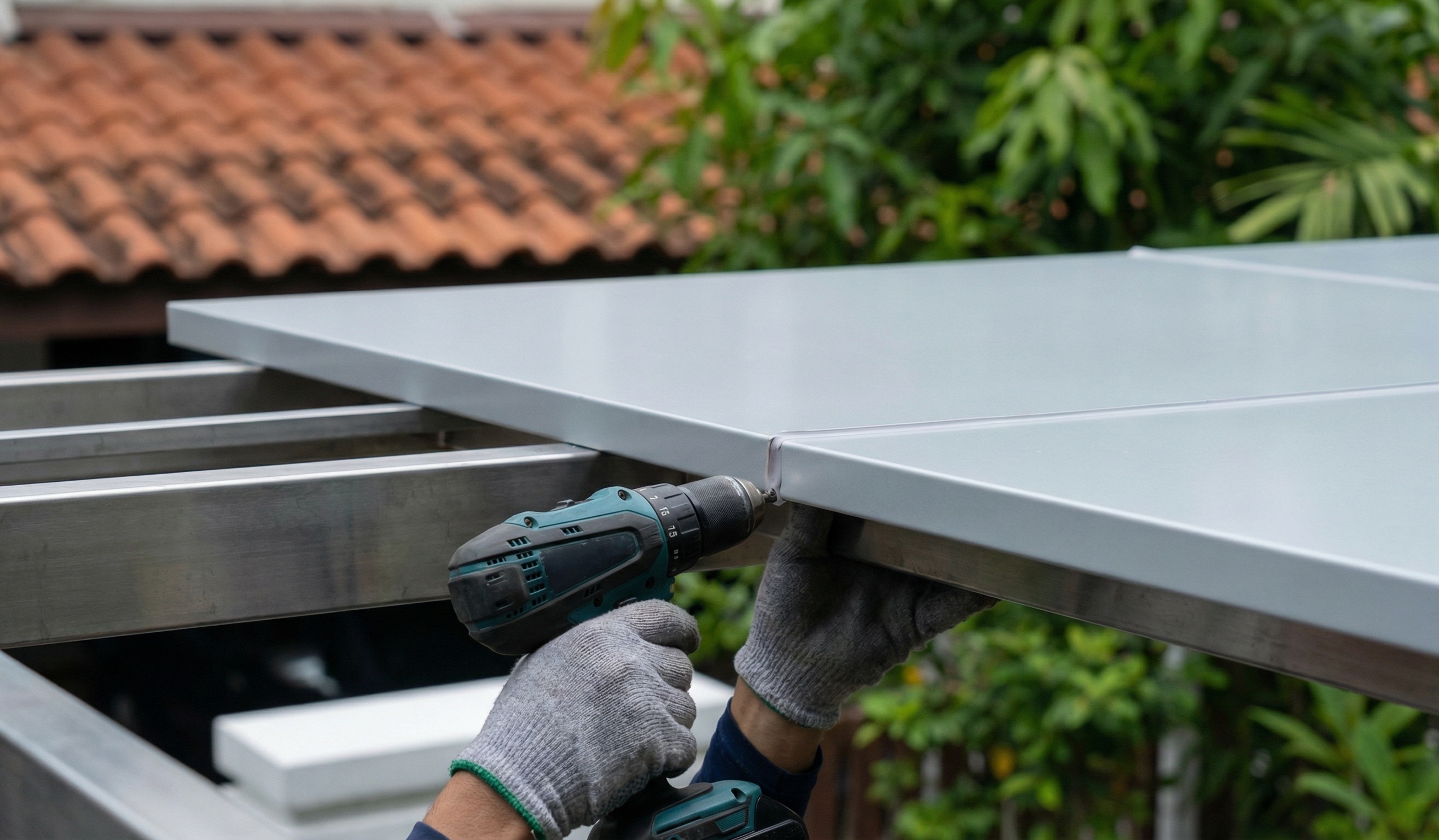
Concealed Fixings
Minimising visible screws helps achieve a cleaner, more premium look.
Proper Roof Slope
ACP roofs should be slightly angled to allow rainwater to drain efficiently.
Integrated Waterproofing
Proper waterproofing at joints and wall connections prevents water intrusion and long-term damage.
Thoughtful Colour Selection
Neutral tones like grey or silver tend to age better under Singapore’s sun and rain.

Common ACP Roofing Mistakes
Even high-quality materials can underperform if installed poorly.
Common issues include:
- Misaligned panels that disrupt the clean aesthetic
- Excessive visible fasteners that make the structure look cluttered
- Poor sealing at wall joints leading to leaks
- Flat roof designs that allow water pooling
- Choosing colours that show dirt or fade unevenly
Over time, these mistakes may result in visible wear or the need for roof leak repair.
How Ruufer Delivers ACP Roofing That Matches Modern Design Standards
As a specialist in roofing Singapore systems and an experienced awning contractor Singapore, Ruufer focuses on ACP roofing solutions that balance aesthetics with long-term performance.
Key considerations include:
- Precise panel alignment for a seamless architectural finish
- Durable ACP materials suited for Singapore’s climate
- Proper waterproofing at all structural joints
- Roofing layouts designed for efficient rainwater drainage
- Installation methods that reduce visible hardware and minimise future roof leak repair issues
By combining design precision with practical installation, ACP roofing systems can remain clean, functional and visually consistent over time.
Final Thoughts: Why ACP Roofing Works for Modern Homes
ACP roofing continues to be a preferred choice for modern homes because it delivers both form and function.
Key takeaways:
- ACP panels provide a clean, seamless look that suits modern architecture
- Durability and UV resistance help maintain appearance over time
- Solid panels improve heat reduction compared to translucent materials
- Proper waterproofing and installation are essential for long-term performance
With the right design approach, ACP roofing can enhance both the look and usability of outdoor spaces — even in Singapore’s hot, humid and rain-heavy climate.